Three Facts on the Search for Missing Journalists Near Anak Krakatau
A joint search and rescue operation entered its second day on Thursday, September 10, as authorities widened efforts to find journalists who lost contact
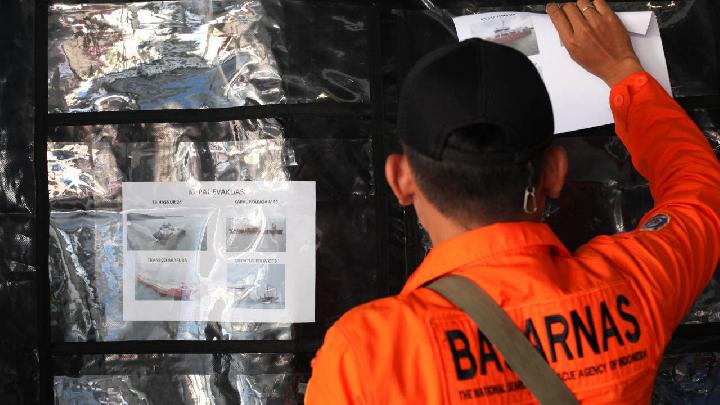
Search Intensifies for Missing Journalists in the Sunda Strait
Tempatdonasi.com – A joint search and rescue operation entered its second day on Thursday, September 10, as authorities widened efforts to find journalists who lost contact while traveling near Mount Anak Krakatau in the Sunda Strait.
The group had set out by speedboat to cover eruptive activity at Anak Krakatau after leaving Pagedongan Pier in Carita on Monday, September 7, 2026. Their last recorded communication came at about 15:04 WIB. Earlier, at approximately 14:42 WIB, one journalist shared the group’s last known coordinates.
Search teams are working across designated areas of the Sunda Strait, where difficult sea conditions have complicated efforts. The operation involves maritime and security personnel, naval assets, and local coordination intended to cover a broader stretch of water around Anak Krakatau.
Eight People Listed on the Missing Speedboat
Authorities are seeking the people who were aboard the speedboat, including journalists and members of the vessel’s operational team. The list includes Warta, 55, the boat captain; Surakman, 60, a crew member; and Heriyanto, 49, who served as a guide.
The journalists listed are M Bagus Khoirunnas of Antara, Ari Basuki of Merdeka, Yudhis of iNews, Daus of Anadolu, and Donal, a freelance journalist.
The case has drawn particular concern because the group was operating near Anak Krakatau, an active volcanic area surrounded by waters that can change rapidly. Search crews are focusing on locating the speedboat and identifying any signs connected to the group’s last known position.
Three Navy Warships Join the Operation
The Indonesian Navy has assigned three warships to reinforce the search: KRI Leuser-924, KRI Kerambit-627, and KRI Lepu-861. Their deployment is intended to extend the reach of the search effort in the Sunda Strait and support coordinated sweeps of assigned sectors.
“Three Navy ships have been deployed to reinforce the search operation and expand the sweep area within the waters of the Sunda Strait.”
Additional vessels have also been mobilized through the Lampung Naval Base and Banten Naval Base. Units involved in the operation are conducting sector-based searches, allowing personnel and ships to examine separate areas while remaining part of one coordinated mission.
Expanding the number of vessels is important in a search over open water, where the available search area can grow quickly. Teams must account for currents, wind, visibility, and the time elapsed since the group’s final contact when planning their movements.
Strong Winds and Waves Create Difficult Conditions
Banten Regional Police Chief Inspector General Hengki said the missing journalists had not yet been found as search efforts continued. He identified weather and sea conditions as a major obstacle, with strong winds and waves measuring between one and two meters.
“The team remains in the field, and we are continuing to monitor the situation. Regarding weather conditions, winds are quite strong, and wave heights range from one to two meters.”
Such conditions can make it harder for crews to conduct visual sweeps and maneuver vessels safely. Waves may also affect the visibility of floating objects, which is why search personnel must repeatedly inspect designated zones as conditions allow.
The waters around Anak Krakatau require continued attention during the operation because the team is searching in an environment shaped by both maritime weather and the presence of an active volcano. Authorities have not indicated that the search has been scaled back despite the challenging conditions.
250 Personnel Spread Across Five Search Zones
On the second day of the operation, the joint team began work at 07:00 WIB with 250 personnel assigned across five search zones. Dividing the effort into multiple sectors is designed to broaden coverage and organize the work of the participating agencies and vessels.
Hengki said strong winds and waves of one to two meters remained a concern for personnel in the field. The operation is continuing as teams examine the waters near Anak Krakatau and follow developments connected to the group’s last known location.
Authorities have also asked members of the public, especially local fishermen, to assist by promptly notifying officials if they see suspicious objects in the water. Reports of floating debris or other unusual items may help search teams assess possible leads and direct resources more effectively.
For families, colleagues, and the wider journalism community, the search remains focused on one urgent goal: finding the missing people and establishing what happened after contact with the speedboat was lost. As naval vessels, rescue personnel, and local authorities continue their coordinated work, weather conditions will remain a key factor in how quickly the search can progress.
Related Reading
Frequently Asked Questions
What is Three Facts on the Search for Missing?
Three Facts on the Search for Missing is the main topic of this guide. The article explains the context, practical details, and next steps readers should understand.
Why does Three Facts on the Search for Missing matter?
Three Facts on the Search for Missing matters because readers are looking for a useful answer, not just a short summary. Good content should match search intent and help them decide what to do next.