Saudi Arabia Says Houthi Target Mecca, Warns of ‘Red Line’
Saudi Arabia has accused Yemen’s Iran-backed Houthi movement of attempting to target Mecca, placing the security of Islam’s holiest sites at the center of a
Saudi Arabia Raises Alarm Over Alleged Houthi Drone Threat to Mecca
Tempatdonasi.com – Saudi Arabia has accused Yemen’s Iran-backed Houthi movement of attempting to target Mecca, placing the security of Islam’s holiest sites at the center of a widening regional confrontation.
A Saudi-led military coalition said on Wednesday that the Royal Saudi Air Defense Forces intercepted and destroyed a drone before it reached the airspace around the holy city. The allegation prompted strong reactions across the Muslim world, while the Houthis denied that Mecca had been their intended target.
The security of the Two Holy Mosques and the pilgrims is a red line, and the Joint Forces Command of the Coalition will not hesitate to take the necessary and deterrent measures against the Terrorist Houthi Militia.
The coalition’s message, shared by spokesman Turki al-Maliki on X, described the aircraft as a hostile drone launched by the Houthi movement. Saudi authorities had issued short warnings on Tuesday about possible attacks affecting Mecca and the kingdom’s southern areas near the Yemeni border.
Houthi Movement Rejects the Accusation
The Houthi movement swiftly challenged the Saudi account. Hazem al-Assad, a senior Houthi figure, called the accusation a familiar falsehood and said it no longer persuaded the public.
The claims about targeting Mecca are a worn-out lie that has been used before and no longer fools anyone.
The exchange reflects the extreme sensitivity surrounding any alleged danger to Mecca. The city is home to the Grand Mosque and is a focal point for millions of Muslims worldwide, particularly during pilgrimage periods. Saudi leaders have repeatedly treated the protection of the Two Holy Mosques, in Mecca and Medina, as a matter of national and religious importance.
The Organization of Islamic Cooperation, which includes 57 Muslim-majority states, condemned what it characterized as a “henious” attack. Its General Secretariat said that any breach of the sanctity of holy places was unacceptable and called for action to deter those responsible and prevent further threats.
Conflict Along Saudi Arabia’s Southern Border
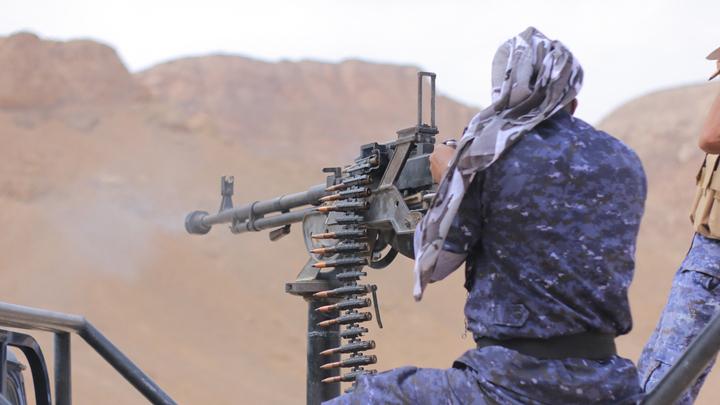
The accusation comes as fighting and regional tensions increasingly affect Saudi territory. Across the border in Yemen, the Houthis have been fighting forces aligned with the Saudi-backed Yemeni government. The conflict has developed into a broader struggle involving regional security, shipping lanes, drones, missiles and rival political interests.
Houthi attacks in Saudi Arabia injured 13 people on Monday night. The number of people injured since the conflict intensified in July has reached roughly 100, highlighting the growing human cost of cross-border strikes.
Saudi Arabia’s southern provinces are especially exposed because of their proximity to Yemen. Alerts in those areas have become more significant as drone and missile technology enables attacks to reach farther beyond the front line. An incident involving Mecca, even if intercepted before entering the city’s airspace, carries consequences beyond its military dimension because of the site’s standing throughout the Islamic world.
Shipping Routes Add Pressure to the Crisis
The wider dispute has also affected vital maritime routes. In July, the Houthis blocked Saudi oil shipping through the Bab el-Mandeb Strait, a passage linking the Red Sea and the Gulf of Aden. The route had offered Saudi oil exports an alternative during Iran’s blockade of the nearby Strait of Hormuz.
Both waterways have major importance for international trade and energy supplies. The Strait of Hormuz is a key corridor for oil shipments from the Gulf, while Bab el-Mandeb connects shipping traveling between the Mediterranean, the Red Sea and the Indian Ocean. Disruption in either area can increase pressure on exporters and raise concerns for commercial vessels navigating the region.
With the security situation deteriorating, Saudi Crown Prince Mohammed bin Salman contacted Egypt on Tuesday to seek support against the Houthi rebels. The two countries’ leaders called for the protection and free movement of maritime navigation through Hormuz and Bab al-Mandab.
Regional Conflict Expands
The developments add another layer to an already volatile Middle East environment, where the United States’ war on Iran has intensified broader security concerns. Yemen’s conflict, once largely centered on internal political and military divisions, has become closely tied to the region’s larger confrontation between Iran, Saudi Arabia and their respective partners.
For Saudi Arabia, the immediate challenge is protecting population centers, border communities, religious sites and energy infrastructure while managing threats in nearby waters. For neighboring states, the risk is that attacks, responses and disruptions to shipping could pull more actors into the crisis.
The United States Embassy in Saudi Arabia issued a travel advisory on Tuesday urging American citizens to reconsider travel to the kingdom. It cited the possibility of Iranian drone and missile attacks against American interests, as well as armed conflict, terrorism, exit restrictions and local rules governing social-media activity.
As Saudi Arabia vows a deterrent response and the Houthis maintain their denial, the reported drone incident underscores how rapidly the conflict’s stakes have risen. The protection of Mecca carries special religious significance, while the continuing attacks and maritime tensions point to a confrontation with consequences far beyond the Saudi-Yemeni border.
Related Reading
Frequently Asked Questions
What is Saudi Arabia Says Houthi Target Mecca?
Saudi Arabia Says Houthi Target Mecca is the main topic of this guide. The article explains the context, practical details, and next steps readers should understand.
Why does Saudi Arabia Says Houthi Target Mecca matter?
Saudi Arabia Says Houthi Target Mecca matters because readers are looking for a useful answer, not just a short summary. Good content should match search intent and help them decide what to do next.