Corruption at State University Independent Student Admissions
Indonesia’s Higher Education, Science, and Technology Ministry is preparing a review of independent admission pathways at state universities after corruption
Indonesian Ministry Moves to Review Independent Admissions After Unsoed Case
Tempatdonasi.com – Indonesia’s Higher Education, Science, and Technology Ministry is preparing a review of independent admission pathways at state universities after corruption allegations emerged at Jenderal Soedirman University, known as Unsoed, in Banyumas, Central Java.
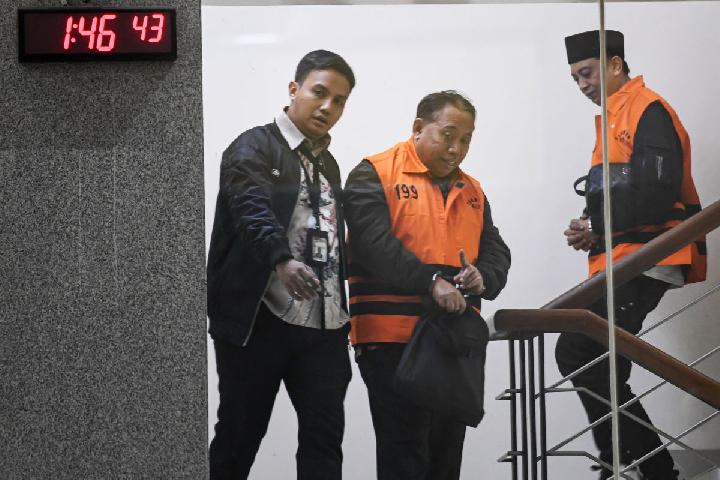
The ministry’s response follows the arrest of Unsoed Rector Akhmad Sodiq and several subordinates on Thursday, August 20, 2026. Investigators suspect that parents of prospective students were extorted during the university’s independent admissions process, a route that operates separately from other state-university selection mechanisms.
Higher Education, Science, and Technology Minister Brian Yuliarto has directed his team to draft preventive measures and examine how the independent admissions system is being run. The aim is to prevent unlawful payments from being repeated in future admissions cycles.
One-Month Target for Review
Tarzan Basaruddin, an expert staff member to the higher education minister, said the ministry intends to complete its work quickly. The timetable reflects concern that admissions policies must be reviewed before similar practices can become embedded elsewhere.
“Hopefully, it will be completed within a month because we need to move quickly,”
Tarzan made the statement on Wednesday, September 9. The ministry’s planned evaluation is expected to focus on safeguards, oversight, and the ways universities administer the independent track.
Independent admissions have particular importance for applicants and families because they can involve university-set requirements and fees. In the Unsoed case, the alleged payments were not the same as the institutional development fee, or IPI, that had already been established by the university as a mandatory contribution.
The allegation centers on additional sums requested from applicants seeking entry through the independent route. Such charges, if proven to have been collected outside official rules, would place an extra burden on families already navigating a competitive admissions process.
Alleged Payments Beyond Official Fees
The Corruption Eradication Commission, or KPK, has linked Sodiq and his subordinates to suspected extortion involving parents of prospective students. The case has drawn attention to the difference between officially determined university charges and unofficial demands presented as a condition for admission.
For applicants, that distinction is essential. An institutional fee set openly by a university can be identified in formal admissions information. An improper payment demand, by contrast, can obscure the true cost of applying and undermine confidence that places are awarded through a fair process.
The allegations also raise broader questions about accountability in state-university admissions. Universities hold substantial responsibility in managing enrollment, communicating financial obligations, and ensuring that staff members or outside intermediaries cannot exploit families seeking a place for their children.
Transparency matters not only at the point of payment but throughout the process. Clear written requirements, documented payment channels, and accessible complaint mechanisms can help families distinguish official obligations from requests that should be questioned or reported.
Investigators Examine Asset Purchases
Investigators have alleged that Sodiq relied on intermediaries to receive gratuities connected to the prospective students. The money was then allegedly used to acquire assets.
Achmad Taufik Husein, acting director of investigations at the KPK, said the alleged asset purchases included land.
“He ordered other people to buy three plots of land,”
The allegation that intermediaries were used is significant because it points to the need for scrutiny beyond formal university offices. A review of admissions procedures may need to consider every point where applicants, parents, university employees, and third parties interact.
Families pursuing independent admission often face tight deadlines and complex administrative requirements. In those circumstances, unclear instructions or pressure to make rapid payments can make it harder to challenge suspicious requests. Stronger procedures can reduce those risks by requiring official documentation and traceable payment methods.
The ministry’s planned mitigation effort will be watched closely by prospective students, parents, and public universities. The immediate concern is whether illegal fees can be stopped, but the longer-term issue is whether the independent admissions route can remain credible and understandable to the public.
Restoring Confidence in State-University Entry
State universities are expected to administer admissions in a manner that is consistent, accountable, and open to scrutiny. When allegations of extortion arise, they can affect not only one institution but also public trust in the wider system.
The Unsoed case has therefore become a test of how quickly authorities can identify vulnerabilities and turn those findings into practical protections. A ministry-level review may clarify how institutions set fees, communicate them to applicants, supervise staff, and respond when irregular payments are suspected.
For families, the most immediate lesson is the value of retaining official notices, receipts, and written communication related to admissions payments. For universities, the case underscores the importance of making fee structures easy to verify and ensuring that unofficial actors cannot influence access to student places.
With the ministry aiming to complete its evaluation within a month, the next steps will determine whether the review produces safeguards capable of protecting applicants from unlawful demands while preserving a fair and transparent admissions process at state universities.
Related Reading
Frequently Asked Questions
What is Corruption at State University Independent Student?
Corruption at State University Independent Student is the main topic of this guide. The article explains the context, practical details, and next steps readers should understand.
Why does Corruption at State University Independent Student matter?
Corruption at State University Independent Student matters because readers are looking for a useful answer, not just a short summary. Good content should match search intent and help them decide what to do next.