TPNPB-OPM Admits to Shooting That Killed Driver in Jayawijaya
A logistics driver was killed in a shooting in Papua’s Jayawijaya regency after being stopped on a route linking Wamena and Nduga, an attack later claimed by
Armed Group Claims Responsibility for Fatal Jayawijaya Attack
Tempatdonasi.com – A logistics driver was killed in a shooting in Papua’s Jayawijaya regency after being stopped on a route linking Wamena and Nduga, an attack later claimed by the West Papua National Liberation Army-Free Papua Movement, or TPNPB-OPM.
The victim, Aris Sanda, was found dead inside his burned vehicle after the incident on Tuesday, September 15, 2026. The shooting occurred at about 9:25 a.m. near the Habema Lake junction in Gunung Boy, Trikora district, an area within Jayawijaya.
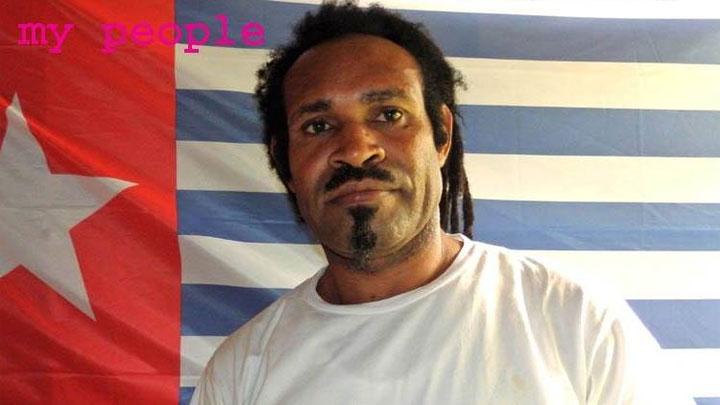
TPNPB-OPM spokesperson Sebby Sambom said members of the organization’s Kodap III Ndugama Darakma command carried out the attack. In a written statement cited on Thursday, September 17, Sebby alleged that Sanda was an Indonesian military intelligence operative using his work as a driver as a cover.
“We take responsibility for the shooting of an Indonesian government military intelligence agent who worked as a driver on the Trans Wamena-Nduga route on Tuesday, September 15, 2026, at around 9:25 a.m.,” Sebby said.
Vehicle and Body Found After Search
Indonesian Military personnel deployed under the Habema Operations Command searched the vicinity after receiving information about the attack. Lt. Col. M. Wirya Arthadiguna, the command’s head of information, said the team located a vehicle that had been set on fire and found Sanda’s body inside.
“The team found a vehicle in a burned condition along with the driver’s body,” Wirya said in a written statement on Wednesday, September 16.
Military officials said the driver was a civilian from Toraja who worked in transportation and helped move supplies for communities in remote parts of the region. His work placed him on roads that are vital for travel and the movement of daily necessities, but which can also become dangerous in areas affected by armed conflict.
Wirya said civilians providing transport and logistical assistance should be able to work without facing violence. The military continued operations in the area while seeking people believed to have been involved in the attack.
Passengers Ordered to Return
The armed group was believed to have stopped Sanda’s vehicle and examined the driver and passengers before the shooting. After the inspection, the passengers were told to go back to Wamena. Sanda was then taken in the direction of Lake Habema, where the deadly attack unfolded.
The episode underscores the risks faced by drivers and other civilians who travel through isolated highland routes. For people living in remote settlements, road transport can be essential for access to food, goods, employment, health services, and connections with larger towns. Violence on these routes can therefore affect not only those directly targeted, but also passengers, families, businesses, and communities that depend on the movement of supplies.
The route involved in the incident links Wamena with Nduga, while the group’s warning also referred to travel between Wamena, Habema, Nduga, and Mumugu. These locations are part of a wider area where security conditions can change quickly and where road travel may involve long distances through difficult terrain.
Warning Directed at Migrant Workers
In its statement, the TPNPB-OPM issued a warning to migrant residents and workers active in areas it described as conflict zones. The warning covered drivers, motorcycle taxi operators, civil servants, and others using roads in the Wamena-Habema-Nduga-Mumugu corridor.
“We urge all Indonesian migrant drivers not to use the Trans route in Wamena in the future,” Sebby said.
The group said it would target people traveling through the area, raising further concern for civilians whose jobs require regular movement on the route. The warning is particularly significant for transport workers, whose work commonly involves carrying passengers, supplies, and goods between communities.
TPNPB-OPM’s claim and the military’s account present sharply different descriptions of Sanda’s role. The armed group characterized him as an intelligence agent, while military officials described him as a civilian logistics and transportation worker. The available details establish that he was killed after his vehicle was stopped, while the competing claims about his identity reflect the tensions surrounding security incidents in Papua.
Continuing Security Operation
The Habema Operations Command said its personnel remained engaged in efforts to locate those allegedly responsible. The search formed part of a law-enforcement response following the killing.
For residents and workers using the affected roads, the attack highlights the immediate importance of security information and careful travel planning. Road users in remote areas can face limited communications, difficult access to assistance, and long distances from population centers. Drivers transporting logistics may also be especially exposed because their routes are predictable and their work often requires them to travel repeatedly.
Sanda’s death has drawn attention to the human cost of violence in Papua’s highland region. Beyond the security response, the case raises concerns about the protection of civilian workers who provide essential transport and logistical services to communities far from major urban centers.
Related Reading
Frequently Asked Questions
What is TPNPB OPM Admits to Shooting That?
TPNPB OPM Admits to Shooting That is the main topic of this guide. The article explains the context, practical details, and next steps readers should understand.
Why does TPNPB OPM Admits to Shooting That matter?
TPNPB OPM Admits to Shooting That matters because readers are looking for a useful answer, not just a short summary. Good content should match search intent and help them decide what to do next.