UN Boss Says Board of Peace Won’t Replace UN Role in Gaza
United Nations Secretary-General Antonio Guterres has stressed that a US-led Board of Peace is not intended to displace the United Nations in Gaza, even as
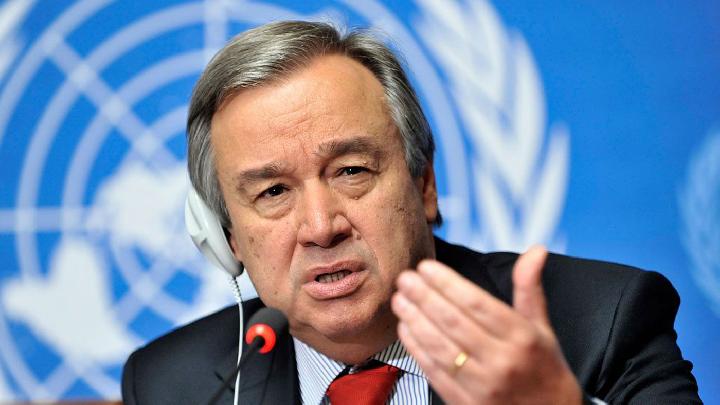
Guterres Says Gaza Peace Board Cannot Take Over UN Responsibilities
Tempatdonasi.com – United Nations Secretary-General Antonio Guterres has stressed that a US-led Board of Peace is not intended to displace the United Nations in Gaza, even as efforts continue to move beyond the initial ceasefire arrangements in the Palestinian territory.
The Board of Peace is not replacing the UN.
Guterres made the point during a press conference on Wednesday, September 16, when questioned about whether the Peace Council would assume functions traditionally associated with the UN in Gaza. His remarks underline the continuing importance of UN involvement in a conflict where humanitarian needs, political negotiations, security concerns, and civilian protection remain closely connected.
The Board of Peace emerged alongside a broader diplomatic effort aimed at ending hostilities between Israel and Hamas. On October 9, 2025, Israel and Hamas agreed to carry out the first stage of a peace proposal put forward by US President Donald Trump. Egypt, Qatar, the United States, and Turkey helped broker the arrangement.
A ceasefire began in Gaza one day later. As part of the deal, Israeli troops pulled back to what was described as the “Yellow Line.” However, Israeli forces continued to control more than half of the Gaza Strip, leaving the territory divided by areas of differing military and administrative control.
Next Steps Face Political Obstacles
In late July, the Board of Peace said Hamas had accepted a roadmap intended to guide implementation of later phases of the ceasefire. The proposal called for authority in Gaza to be transferred gradually to the National Committee for the Administration of Gaza.
It also included the creation of a dedicated mechanism to monitor alleged breaches of the agreement by both Hamas and Israel. Such monitoring is significant because ceasefire arrangements depend not only on formal commitments but also on a credible way to identify violations and address disputes before they escalate.
Yet Guterres said the Peace Council had encountered obstacles similar to those facing the UN. A recent initiative to advance the first and second phases of the peace plan was blocked by Israel, demonstrating that the creation of another diplomatic body does not by itself remove the political barriers that have complicated efforts in Gaza.
The statement places the Board of Peace within a wider network of international actors rather than above it. The UN has long played roles connected to humanitarian coordination, diplomacy, international law, and support for civilians caught in conflict. A new body may contribute to specific elements of a peace process, but its ability to act remains dependent on cooperation from the parties involved and support from regional and international stakeholders.
Why the UN Role Remains Central
For Gaza’s population, questions over institutional roles have direct practical consequences. Ceasefire plans can involve troop movements, access to essential goods, civilian safety, reconstruction needs, local governance, and the conditions required for longer-term stability. Different organizations may take responsibility for different parts of that work, but coordination is necessary to avoid gaps or competing mandates.
Guterres’s comments also highlight the difference between supporting a political settlement and replacing an established international institution. The Board of Peace may seek to help implement agreed steps, including the proposed administrative transition and compliance monitoring. The UN, meanwhile, remains a central global forum for member states and retains broad responsibilities relating to peace, security, humanitarian affairs, and international cooperation.
The road from a ceasefire to a durable settlement is often more difficult than securing an initial pause in fighting. Later phases usually require agreement on governance, security arrangements, oversight, and the rights and needs of people living in the affected territory. Disagreements over any one of those issues can stall progress across the wider plan.
In Gaza, the continued control of more than 50 percent of the enclave by Israeli forces adds another layer of complexity to the implementation of future phases. The proposed transfer of authority to the National Committee for the Administration of Gaza would therefore require clear arrangements about where and how that authority could operate.
Leadership Transition at the United Nations
Guterres is due to leave the post of UN secretary-general on December 31. His successor is scheduled to begin the role on January 1, 2027. The selection process began in November 2025 and currently includes eight candidates.
The leadership transition will take place while Gaza remains a major test for international diplomacy. The next secretary-general will inherit debates over the ceasefire’s future, the role of external mediators, and how the UN can continue contributing to a path toward stability.
For now, Guterres has made clear that the Board of Peace should be viewed as an additional part of the diplomatic landscape, not a substitute for the United Nations. Whether the later stages of the Gaza plan can proceed will depend on whether the parties can overcome the same obstacles that have constrained international efforts so far.
Related Reading
Frequently Asked Questions
What is UN Boss Says Board of Peace?
UN Boss Says Board of Peace is the main topic of this guide. The article explains the context, practical details, and next steps readers should understand.
Why does UN Boss Says Board of Peace matter?
UN Boss Says Board of Peace matters because readers are looking for a useful answer, not just a short summary. Good content should match search intent and help them decide what to do next.