Which Sports Are the Hardest in the World? Here Are 10 Top Contenders
Determining the world’s hardest sport is never straightforward. Athletic difficulty can be measured in many ways: raw strength, stamina, speed, technical
Ten Sports Often Considered Among the World’s Most Demanding
Tempatdonasi.com – Determining the world’s hardest sport is never straightforward. Athletic difficulty can be measured in many ways: raw strength, stamina, speed, technical skill, pain tolerance, coordination, or the ability to remain calm under intense pressure. Some sports place the greatest burden on the body, while others test concentration and tactical judgment just as severely.
For that reason, there is no single universal answer. A long-distance cyclist faces a very different challenge from a gymnast performing a complex routine, just as a boxer’s physical and mental demands differ from those of a tennis player in a lengthy match. Still, several sports consistently stand out because they require athletes to develop a remarkable combination of physical conditioning and mental resilience.
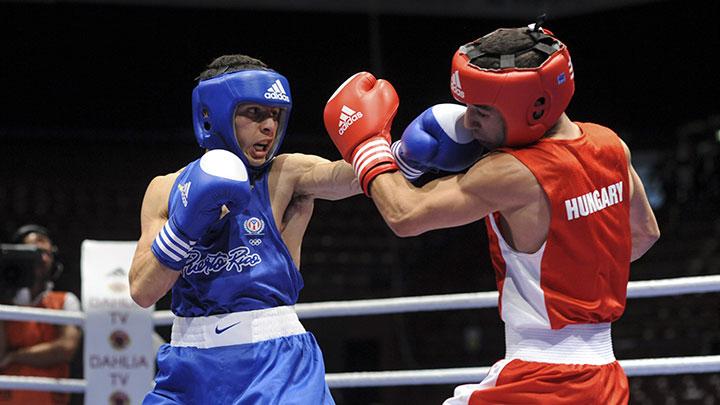
Boxing
Boxing is widely viewed as one of the toughest athletic tests because competitors need far more than punching power. They must build cardiovascular fitness, quick reactions, strength, agility, and the composure to make decisions while under attack. A boxer has to read an opponent’s movements, manage distance, defend effectively, and maintain a disciplined strategy over multiple rounds.
Preparation is demanding as well. Training commonly includes roadwork, strength exercises, sparring sessions, technical drills, and careful attention to nutrition. The sport’s challenge lies in its combination of conditioning, skill, and the willingness to perform under direct physical pressure.
Mixed Martial Arts
Mixed martial arts requires competitors to become capable in several fighting systems rather than mastering only one. Fighters may train striking techniques alongside wrestling and grappling, with disciplines such as jiu-jitsu and Muay Thai forming part of their broader preparation.
The physical workload is immense, but the mental side is equally important. MMA athletes must react immediately to changing situations, recognize threats, and choose between attacking, defending, escaping, or controlling an opponent. Maintaining focus during a fast and unpredictable contest is a defining part of the sport’s difficulty.
Ice Hockey
Ice hockey combines rapid movement, technical skating, physical contact, and puck control in a constantly changing environment. Players must move quickly across the ice while keeping balance, tracking teammates and opponents, and handling a puck that can travel at high speed.
Body checks and close-contact play add another layer of challenge. Hockey players need endurance to sustain repeated bursts of speed, along with agility and awareness to avoid collisions or respond to them safely. The ability to make quick decisions while skating at pace is crucial.
Gymnastics
Gymnastics demands extraordinary body control. Strength, flexibility, balance, timing, and precision must all work together during routines that can be decided by small errors. A slight loss of alignment or an imperfect landing can significantly affect a performance.
Many gymnasts begin developing their skills early and spend years refining difficult movements. The sport requires repeated practice, patience, and confidence, particularly when athletes perform complex techniques that demand both physical power and exact execution.
Soccer
Soccer asks players to blend endurance with technical ability over two 45-minute halves. They may cover substantial distances during a match while sprinting, changing direction, defending, passing, and attempting to create scoring opportunities.
Success also depends on accuracy under fatigue. Strong footwork and controlled passing remain essential even late in a match, when players are physically depleted. The sport’s difficulty comes from maintaining awareness of the game while continuously moving and responding to opponents.
Wrestling
Wrestling is a demanding contest of leverage, explosive motion, balance, and toughness. Athletes need to control their own bodies while attempting to shift, lift, turn, or restrain an opponent whose weight and movement are actively resisting them.
Quickness matters as much as strength. Wrestlers must identify openings in an instant and apply techniques with force and accuracy. Because matches are physically intense and closely contested, mental resolve can be as important as conditioning.
Basketball
Basketball requires players to remain active through rapid transitions between offense and defense. They need coordination for dribbling and shooting, timing for rebounds, speed to move into position, and awareness to anticipate what will happen next.
The pace of play also places a major demand on decision-making. Players must process the positions of teammates and opponents in seconds, often while running or defending. Strong cardiovascular capacity helps them keep contributing at both ends of the court.
Tennis
Tennis combines precise technique with the endurance needed for potentially long contests. Serving, returning, movement, timing, and ball control all require consistency, while players must stay focused point after point.
The pressure can be especially intense because a minor mistake may alter the momentum of a match. Competitors must manage fatigue and frustration while continuing to make accurate choices. Physical conditioning supports their movement, but concentration often determines whether they can sustain their level of play.
Swimming
Swimming demands full-body strength, cardiovascular fitness, efficient technique, and close attention to timing. Water resistance means that every stroke, kick, and turn matters. In racing, extremely small differences can separate competitors at the finish.
Swimmers typically train throughout the year to improve endurance and refine their mechanics. The challenge is not simply moving through water quickly; it is doing so with enough efficiency to preserve speed across an entire race.
Cycling
Cycling places major demands on the legs, lungs, and an athlete’s ability to pace effort over time. Long races can include climbs, wind, changing terrain, and time trials, all of which require riders to manage energy carefully.
Strategy plays an important role alongside fitness. A cyclist must judge when to conserve effort and when to push harder, particularly in difficult conditions. The discipline needed to continue through sustained discomfort makes cycling a formidable test of physical and mental endurance.
Why There Is No Definitive Hardest Sport
Each of these sports emphasizes a different mix of attributes. Boxing and MMA bring direct contact and tactical pressure. Gymnastics centers on precision and body control. Soccer, basketball, hockey, tennis, swimming, wrestling, and cycling each demand their own balance of endurance, speed, skill, and resilience.
The hardest sport ultimately depends on the standard being used. Someone who values pain tolerance may choose a combat sport, while another person may point to the precision of gymnastics or the sustained effort required in cycling and swimming. What is clear is that elite performance in any of these disciplines requires years of committed training and an exceptional ability to perform when the pressure is highest.
Related Reading
Frequently Asked Questions
What is Which Sports Are the Hardest?
Which Sports Are the Hardest is the main topic of this guide. The article explains the context, practical details, and next steps readers should understand.
Why does Which Sports Are the Hardest matter?
Which Sports Are the Hardest matters because readers are looking for a useful answer, not just a short summary. Good content should match search intent and help them decide what to do next.