
South Korea’s Gender Pay Gap Grows as Women Get Older
Women in South Korea begin their careers earning less than men of the same age, and the disparity becomes far wider as they approach retirement. Government
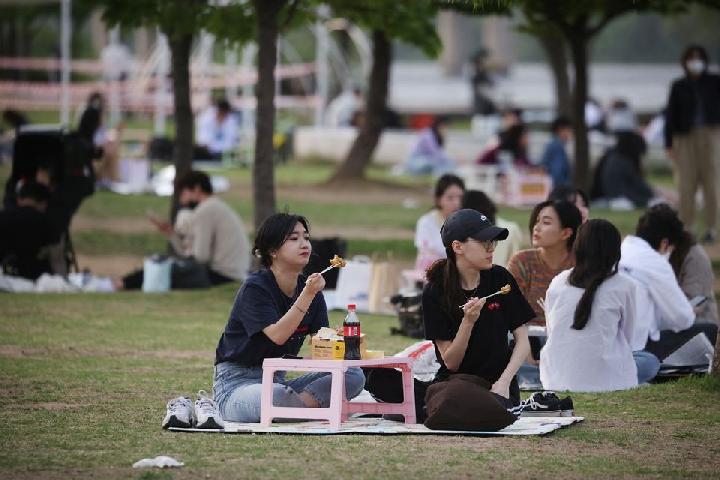
South Korea’s Pay Divide Deepens Across Women’s Working Lives
Tempatdonasi.com – Women in South Korea begin their careers earning less than men of the same age, and the disparity becomes far wider as they approach retirement. Government wage figures highlighted by Human Rights Watch show that women at age 27 earn 8 percent less than male colleagues, while women in their late 50s earn roughly half as much as men.
The widening gap is striking in a country recognized internationally for its technology, manufacturing and industrial strength. Yet South Korea has recorded the largest gender pay gap among members of the Organization for Economic Cooperation and Development since comparable OECD data began in 1992.
Human Rights Watch explored the issue in its report, Too Old and a Woman, which drew on interviews with 41 South Korean women aged from 28 to 87. Their experiences illustrate how unequal pay is linked to career breaks, limited hiring opportunities, unstable employment and weaker retirement income.
Education Has Not Produced Equal Careers
Women’s university completion rates have exceeded men’s since the 1980s, but educational progress has not removed barriers after graduation. A 2024 study found that women were earning 22 percent less than men only one year after leaving university.
For many women, the gap expands when marriage, childbirth or family care require them to step away from paid work. Returning to employment can mean accepting positions in call centers, cleaning, caregiving and other lower-paid fields with limited advancement opportunities.
Women who remain in the workforce can face a different form of exclusion. In 2024, women occupied 18 percent of management posts. Only five of 38 senior civil service positions were held by women, underlining the continuing difficulty of reaching leadership roles.
“The gender division of labor inside the home leads directly to a gender division of labor in the labor market,” Min Hee Kim, a Korean activist for women labor struggles, told DW.
Kim argues that the issue goes beyond unequal salaries for similar work. As women grow older, the range of jobs open to them often shrinks. The combined effect of lower earnings, interrupted careers and insecure work can shape their financial position for decades.
Discrimination Has Changed Rather Than Vanished
South Korean law once allowed employers to dismiss women after marriage. This practice, known as marriage-based dismissal, rested on the assumption that married women would soon leave work to raise children. While employers can no longer openly state that they will not hire a woman because of her gender, care responsibilities remain heavily concentrated among women.
That pressure can redirect women toward lower-paying work when they try to re-enter the labor market. The obstacles may appear as individual decisions or isolated setbacks, but Human Rights Watch describes them as structural discrimination: inequality embedded so deeply in institutions and everyday expectations that people experiencing it may not immediately recognize its broader pattern.
“When you are alone, it is easy to think, ‘It’s because I’m not capable enough,’ or ‘It’s because I’m getting older,’” Kim said. “It’s only when women who’ve had similar experiences meet and talk” that they see “this wasn’t just my problem.”
The wage trajectory itself reflects that pattern. Labor Ministry survey data cited by Human Rights Watch show that women’s earnings reach their high point in their late 30s before declining steadily. The Gender Ministry has identified employment interruptions, gender-separated occupations and discrimination within workplaces as major forces behind the divide.
J. Mi-sook, 53, described one practical consequence to Human Rights Watch. Although she had three years of prior experience, her next employer did not count it, placing her in an entry-level role with a lower salary. Lost time in the labor market can reduce recognized experience, bargaining power and access to stable positions.
Retirement Can Trigger a Steep Income Fall
The pressure intensifies in later life. Park Jae-soon, 61, had to retire from a utility company at age 60 and now works part-time as a care worker. Her annual income dropped from 55 million won, about $40,500 or €35,600, to 15.6 million won. That represents a fall of 72 percent.
Human Rights Watch has called for the abolition of both the mandatory retirement age and the peak-wage system, which permits employers to reduce the pay of older employees in the years leading up to retirement. Such policies can be especially damaging for women who have already spent years earning less or moving in and out of work.
The effects do not stop with a final paycheck. In October 2025, women received an average National Old Age Pension equal to 53 percent of men’s payments, leaving a 47 percent pension gap. Lower lifetime earnings and periods outside formal employment can translate into significantly less financial security in old age.
From Household Work to Low-Paid Employment
Kim says the labor market often undervalues work historically assigned to women inside the home. Cleaning, cooking, caregiving and emotional support can be treated as naturally female tasks when they become paid jobs, then assigned low wages.
“I think what is important here is that this is not simply a problem of middle-aged women having difficulty finding jobs,” Kim said.
The issue therefore stretches from early-career pay through promotions, retraining, re-employment and pensions. A career interruption in a woman’s 30s can affect retirement income years later; part-time work in her 40s and persistently low wages can create similar consequences.
Closing the gap requires more than encouraging women to gain qualifications or enter the workforce. The challenge involves how care is shared, how returning workers are evaluated, which occupations are rewarded, and whether older women can remain in secure employment. Without changes across those stages, South Korea’s gender pay divide is likely to remain a lifelong economic burden rather than a short-term workplace problem.
Related Reading
Frequently Asked Questions
What is South Korea s Gender Pay Gap Grows?
South Korea s Gender Pay Gap Grows is the main topic of this guide. The article explains the context, practical details, and next steps readers should understand.
Why does South Korea s Gender Pay Gap Grows matter?
South Korea s Gender Pay Gap Grows matters because readers are looking for a useful answer, not just a short summary. Good content should match search intent and help them decide what to do next.