
8 Best US National Parks to Visit for Autumn Trip 2026
Autumn offers a compelling reason to explore America’s national parks: cooler air, changing colors, and a landscape that often feels calmer after the summer
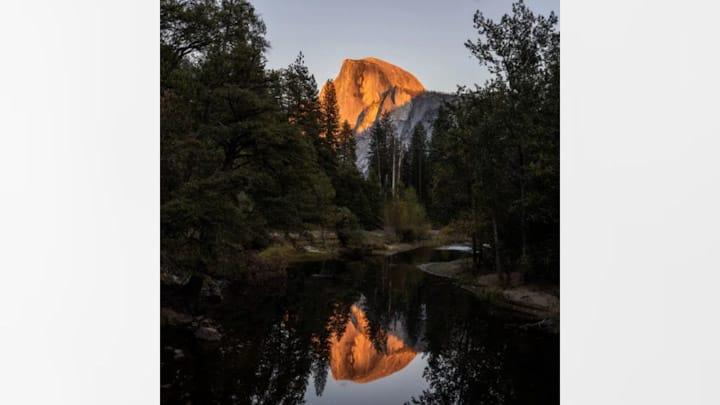
Eight U.S. National Parks for an Autumn Getaway in 2026
Tempatdonasi.com – Autumn offers a compelling reason to explore America’s national parks: cooler air, changing colors, and a landscape that often feels calmer after the summer rush. The United States has 63 national parks, spanning high mountain ranges, volcanic fields, ancient forests, river valleys, and dramatic coastlines. For travelers planning a fall trip in 2026, the season can bring rewarding conditions for hiking, scenic drives, wildlife viewing, and photography.
Fall weather can also vary sharply by region and elevation. Mountain parks may see early snow, while coastal and southern destinations can remain relatively mild. Checking trail conditions, road access, lodging availability, and seasonal services before departure is especially important for a smooth park visit.
Grand Teton National Park, Wyoming
Grand Teton National Park pairs a broad valley with an unmistakable skyline. The Teton Range rises more than 7,000 feet above the surrounding landscape, creating one of the country’s most dramatic mountain settings. Visitors can choose from more than 250 miles of trails, including gentle outings and demanding backcountry routes.
Wildlife is a major draw during a visit. Oxbow Bend and Willow Flats are well-known viewing areas for elk, moose, and bears. The Snake River also creates opportunities for fishing and paddling, while the open valley and mountain views make even a short drive memorable.
Yellowstone National Park, Wyoming and Montana
Yellowstone is an autumn favorite for travelers who want both wildlife encounters and unusual geothermal scenery. Bison, elk, and bears are among the animals found in the park, while its geysers and hot springs provide an entirely different kind of spectacle.
Old Faithful remains one of Yellowstone’s signature sights, and the Grand Canyon of the Yellowstone offers striking views of the Yellowstone River’s canyon. Lamar Valley is another popular place to look for wildlife. With temperatures dropping and summer visitation easing, fall can be a particularly appealing period for exploring Yellowstone’s vast landscape.
Great Smoky Mountains National Park, Tennessee and North Carolina
Set along the Tennessee–North Carolina border, Great Smoky Mountains National Park is renowned for its biodiversity and its seasonal display of color. More than 19,000 species have been documented in the park, including black bears. In autumn, its wooded slopes shift into shades of red, orange, and gold.
Travelers can take in broad views from Kuwohi, walk trails near Cosby and Townsend, or follow the Cades Cove loop road to explore historic places within the park. The combination of mountain scenery, forest trails, and cultural landmarks makes the Smokies a flexible option for short trips and longer stays alike.
Acadia National Park, Maine
Acadia National Park brings together the defining features of New England: rocky shores, forested land, and mountain viewpoints. Fall colors are especially prominent when red maples and golden birches brighten the landscape, adding contrast to the park’s rugged Atlantic coastline.
Cadillac Mountain is among Acadia’s best-known destinations, while the Beehive Trail appeals to hikers seeking a more energetic route. Those looking for a quieter experience may prefer the Schoodic Peninsula. Acadia suits visitors who want coastal scenery alongside hiking opportunities and a distinctly northeastern atmosphere.
Mount Rainier National Park, Washington
Mount Rainier dominates the surrounding national park at 14,410 feet, rising above glaciers, forests, and alpine meadows. More than 275 miles of trails provide choices for casual walkers, day hikers, and experienced backpackers.
By fall, grasses, shrubs, and ground cover can add rich seasonal tones to the scenery. Reflection Lakes and the Skyline Trail are among the locations that offer memorable perspectives of the mountain. Conditions can change quickly at higher elevations, so visitors should prepare for variable weather and confirm access before heading out.
Yosemite National Park, California
Yosemite’s immense granite landmarks make it one of the most recognizable national parks in the country. El Capitan and Half Dome define much of its famous scenery, but the park provides far more than iconic viewpoints. Its network of trails includes demanding hikes for seasoned visitors as well as accessible shorter walks.
The Bridalveil Fall Trail and Mirror Lake Loop are options for travelers seeking less strenuous outings. More than 94 percent of Yosemite is protected wilderness, leaving extensive room for hiking, backpacking, and observing wildlife. Autumn can be an inviting time to appreciate the park’s scale without the intensity of peak summer crowds.
Lassen Volcanic National Park, California
For a quieter volcanic destination, Lassen Volcanic National Park offers a distinctive mix of geology and outdoor recreation. The park contains all four volcano types, including Lassen Peak and Cinder Cone, along with geothermal areas such as Sulphur Works and Bumpass Hell.
More than 150 miles of hiking routes wind through this volcanic environment. Its landscapes appeal to visitors interested in natural history as well as those seeking trails and a less crowded alternative to larger geothermal parks. Fall can add a peaceful atmosphere to its forests, lakes, and volcanic terrain.
Redwood National and State Parks, California
On California’s northern coast, Redwood National and State Parks protect trees that can reach about 370 feet in height. The towering redwoods are the main attraction, but the park system extends beyond the groves into rivers, prairie landscapes, and 37 miles of Pacific shoreline.
Trails lead visitors through dense forests, across beaches, and near sea cliffs, offering a broad range of scenery in one region. The parks can work especially well for families and for travelers building a West Coast road-trip itinerary, since forest walks and coastal stops can be combined in the same visit.
Planning a Fall National Park Trip
Each of these parks presents a different version of autumn, from Maine’s coastal forests to Washington’s alpine terrain and California’s towering redwoods. Wildlife activity, fall foliage, and more comfortable daytime temperatures can make the season especially rewarding, but travelers should remain flexible. Snow, road closures, reduced facilities, and changing trail conditions are possible as autumn progresses.
A thoughtful itinerary should allow time for both major landmarks and slower moments: a roadside wildlife stop in Wyoming, a forest walk in the Smokies, a sunrise view in Acadia, or an afternoon beside a California redwood grove. With careful preparation, an autumn journey through America’s national parks can combine scenic variety with a more relaxed pace of travel.
Related Reading
Frequently Asked Questions
What is 8 Best US National Parks to Visit?
8 Best US National Parks to Visit is the main topic of this guide. The article explains the context, practical details, and next steps readers should understand.
Why does 8 Best US National Parks to Visit matter?
8 Best US National Parks to Visit matters because readers are looking for a useful answer, not just a short summary. Good content should match search intent and help them decide what to do next.