US, Australia Suspend Consular Services in Brazil
US diplomatic facilities across Brazil suspended consular services on Friday after American authorities raised security concerns ahead of the country’s
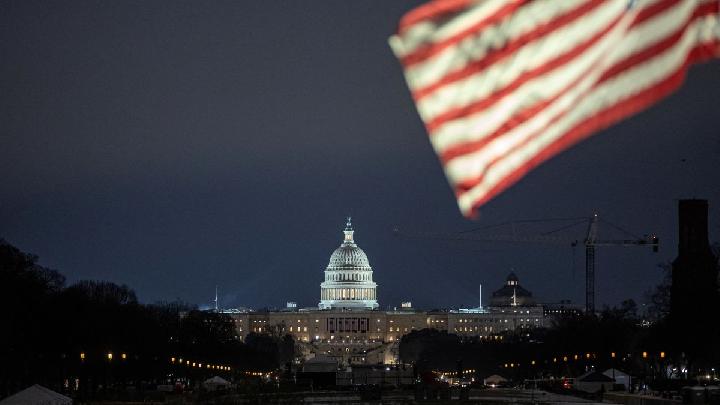
US and Australian Diplomatic Missions Halt Services in Brazil Amid Security Concerns
Tempatdonasi.com – US diplomatic facilities across Brazil suspended consular services on Friday after American authorities raised security concerns ahead of the country’s presidential election. The temporary measure affects the US Embassy and consulates, although officials did not publicly identify the specific risks behind the decision.
The timing has drawn attention because Brazilians are due to vote on Sunday in a presidential contest taking place during a period of unusually strained relations between Washington and Brasilia. US officials have not said that the security alert is connected to the election.
Australian Embassy Also Closes
Australia’s Embassy in Brasilia announced that it would also close on Friday. The embassy cited the US warning and advised Australian citizens to stay away from American diplomatic locations.
The US State Department said it is coordinating with Brazilian authorities in response to the security situation. Consular services commonly include assistance for citizens abroad, passport matters, visas and other official documentation, making a closure significant for travelers and residents who may need in-person support.
No timeframe was provided for the restoration of normal services, and no detailed public explanation was issued about the nature of the concerns.
Election Sets Up Another High-Stakes Bolsonaro Contest
The diplomatic disruption comes as Brazil prepares for a vote that could reshape the direction of its foreign policy. Sunday’s election is expected to serve as the first round unless one candidate receives an outright majority. If no contender clears that threshold, the race will move to a runoff on October 25.
Polling has placed President Luiz Inacio Lula da Silva and Senator Flavio Bolsonaro in a statistical tie. Lula, a left-wing leader seeking a fourth term as president, faces Bolsonaro, a right-wing senator and the son of former President Jair Bolsonaro.
The contest has been widely viewed as a continuation of the political divisions that defined Brazil’s 2022 election. Jair Bolsonaro, a close ally of US President Donald Trump, was sentenced last year to 27 years in prison for seeking to overturn the result of Brazil’s previous presidential vote.
Flavio Bolsonaro’s campaign has therefore unfolded against a backdrop of intense debate over Brazil’s democratic institutions, the legacy of the former president and the country’s relationship with the United States.
Concerns Over Foreign Influence
Trump has not formally backed a candidate in Brazil’s election. Still, his interest in the vote has prompted concern among Brazilian political figures and US Democratic lawmakers.
When questioned at the White House about whether he would support Bolsonaro, Trump offered no direct endorsement but made clear that the administration was closely following events.
“Well, we’re looking at that whole thing, and we’re watching that election very closely.”
In late September, Democratic members of Congress sent a letter to Secretary of State Marco Rubio expressing what they described as “grave concern” about an alleged effort by the administration to pressure Brazil and weaken a strategic relationship before the election. Their warning focused on the possible effect of US actions on the hemisphere’s second-largest democracy.
Lula and his political allies have also cautioned against outside involvement. They have pointed to tariffs as well as a summer effort by Washington to send US officials to Brazil for discussions on electoral integrity.
The issue carries particular weight in a country where elections have become a central test of institutional stability. The result will not only determine who occupies the presidency, but also influence how Brazil approaches international partnerships, regional diplomacy and its dealings with major powers.
Regional Stakes Beyond Brazil’s Borders
Brazil’s neighbors have experienced a shift toward right-wing politics, adding further importance to the election’s outcome. A Bolsonaro victory could move Brazil in a different diplomatic direction from a renewed Lula administration, especially in its engagement with the United States and the wider region.
For voters, the immediate choice is between two sharply different political traditions. Lula represents Brazil’s established left, while Flavio Bolsonaro is campaigning in a political environment shaped by his family’s conservative movement and the continuing influence of Jair Bolsonaro.
The suspension of consular services does not itself establish a link to the vote, but it has added to the atmosphere of caution surrounding an already closely watched election. With security questions unresolved publicly and the final outcome still uncertain, attention will remain focused on both the voting process and the conduct of international partners in the days ahead.
Related Reading
Frequently Asked Questions
What is US Australia Suspend Consular Services in Brazil?
US Australia Suspend Consular Services in Brazil is the main topic of this guide. The article explains the context, practical details, and next steps readers should understand.
Why does US Australia Suspend Consular Services in Brazil matter?
US Australia Suspend Consular Services in Brazil matters because readers are looking for a useful answer, not just a short summary. Good content should match search intent and help them decide what to do next.