
Local Trains Hit a Snag
The gradual return of services on Jakarta’s electric commuter rail network has eased some concerns, but many regular passengers remain anxious about possible
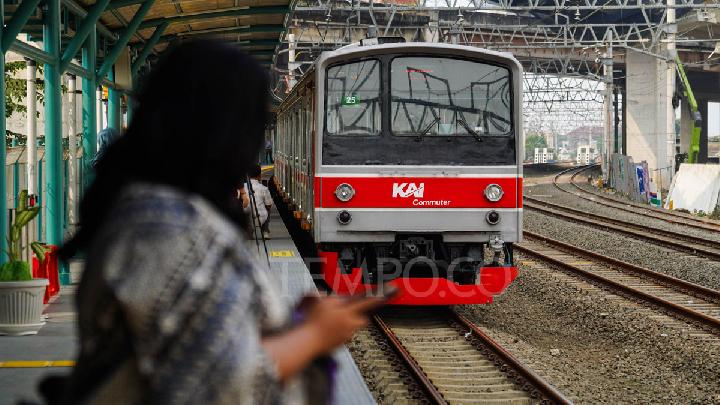
Commuter Rail Service Adjustments Leave Jakarta Passengers on Edge
Tempatdonasi.com – The gradual return of services on Jakarta’s electric commuter rail network has eased some concerns, but many regular passengers remain anxious about possible disruptions. For workers who depend on the KRL Commuter Line each day, even a limited reduction in train availability can reshape departure times, crowding patterns, and the reliability of a routine journey.
Sekar Maharani, a resident of Citayam in Depok, West Java, is among those watching the Bogor–Jakarta Kota line closely. She uses the route for her daily trip to work and was affected when services were reduced during September 2026. Although the timetable has begun to recover, she said uncertainty about the journey remains.
“I’m still worried that my commute will be disrupted,”
Sekar made the remark on Thursday, October 1, 2026, after a series of operational changes on one of Greater Jakarta’s busiest commuter corridors. The Bogor line links residential areas south of Jakarta with major stations in the capital, making service consistency particularly important for passengers traveling during the morning and afternoon rush periods.
Seventeen Services Removed From Bogor Line
KAI Commuter, the operator of the KRL Commuter Line, began canceling 17 Bogor–Jakarta Kota services on Monday, September 7, 2026. The reduction came after seven trainsets built by state-owned Industri Kereta Api, or INKA, were removed from operation for maintenance.
The service cuts followed an incident involving KRL train No. 1203. The train was traveling from Bogor toward Jakarta Kota when it derailed while approaching Manggarai Station in South Jakarta, three days before the revised schedule took effect. The derailment and the subsequent withdrawal of trainsets placed added pressure on the commuter rail operator’s available fleet.
The canceled services covered several parts of the day. Seven morning trains from Bogor to Manggarai or Jakarta Kota were removed, along with five trips running from Jakarta Kota back to Bogor. Two Manggarai–Bogor services were also canceled. In the afternoon, three departures from Bogor were taken out of the timetable, including the train normally used by Sekar.
For daily riders, the impact of a cancellation extends beyond the train that disappears from a schedule. Passengers may need to leave home earlier, wait for a later departure, or join a more crowded service. On a line used by commuters traveling between Depok, Bogor, and central Jakarta, small changes can affect connections and arrival times across the day.
Daily Network Total Fell Below Previous Level
The Bogor line reductions lowered the total number of KRL trips operating across Greater Jakarta. The daily figure dropped from 1,065 services to 1,048. While the numerical change may appear limited across an entire network, it represented the loss of scheduled capacity at times when many passengers rely on regular intervals between trains.
Service planning on a commuter network involves more than simply counting trains. Each cancellation can alter the spacing between departures, the number of available cars for passengers, and the ability of riders to make predictable transfers. This is especially relevant around Manggarai, a central point in the KRL system where travel patterns from several directions converge.
The maintenance requirement also highlighted the importance of having enough operational trainsets available to cover both scheduled service and unexpected disruptions. Removing trains for technical work may be necessary to keep the fleet safe and reliable, but the temporary reduction can be felt immediately by commuters.
Thirteen Trips Restored Through Fleet Reallocation
Three days after the 17 cancellations began, KAI Commuter revised the timetable again by adding 13 services to the Bogor route. The adjustment lifted the daily network total to 1,061 trips, bringing operations closer to the previous 1,065-service level.
Those additional journeys did not result from the return of the seven trainsets undergoing maintenance. Instead, the operator reassigned trains from the Tanjung Priok line to support operations on the Bogor corridor. This approach allowed more services to return on the route serving Bogor, Depok, Manggarai, and Jakarta Kota while the affected equipment remained unavailable.
To maintain service on the Tanjung Priok route, KAI Commuter temporarily used trainsets from the Soekarno-Hatta Airport Commuter Line. The arrangement showed how changes on one part of the rail system can require adjustments elsewhere, particularly when fleet availability is limited and passenger services must continue across multiple lines.
For passengers like Sekar, the restored trips offer some relief, particularly for those whose usual departures had been removed from the schedule. Yet the difference between the restored total and the earlier level means commuters may still need to pay close attention to operating updates and allow extra flexibility in their travel plans.
The episode has underscored how dependent many Greater Jakarta residents are on reliable KRL operations. The rail network is a daily connection between homes in surrounding cities and workplaces in Jakarta, and timetable changes can quickly become a practical concern for people planning their workdays. As services continue to be adjusted, riders on the Bogor line will be looking for a stable schedule and dependable journeys through the capital’s busiest commuter rail corridor.
Related Reading
Frequently Asked Questions
What is Local Trains Hit a Snag?
Local Trains Hit a Snag is the main topic of this guide. The article explains the context, practical details, and next steps readers should understand.
Why does Local Trains Hit a Snag matter?
Local Trains Hit a Snag matters because readers are looking for a useful answer, not just a short summary. Good content should match search intent and help them decide what to do next.