Why the DPR Reopening the Broadcasting Law Revision Deliberation
Deliberations on the proposed revision to Indonesia’s Broadcasting Law have resumed at the House of Representatives, but the discussion opened with objections
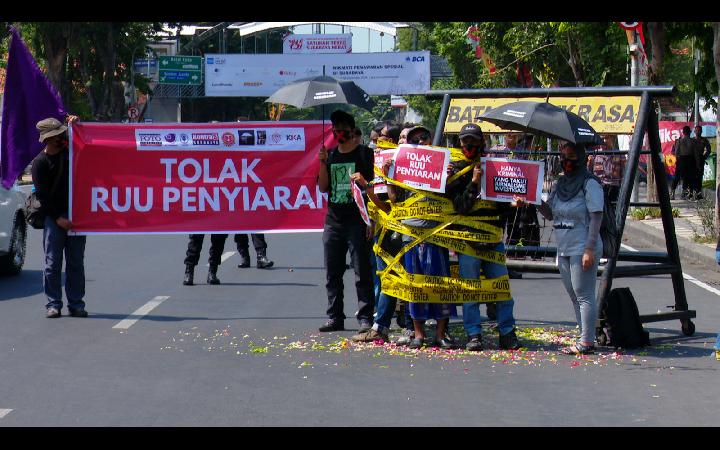
DPR Resumes Debate on Broadcasting Law Revision
Tempatdonasi.com – Deliberations on the proposed revision to Indonesia’s Broadcasting Law have resumed at the House of Representatives, but the discussion opened with objections from several lawmakers over the way the process was being conducted.
The Working Committee handling amendments to Law No. 32/2002 on Broadcasting met at the DPR’s Legislation Body in Senayan, Jakarta, on Wednesday, August 26, 2026. Rather than proceeding smoothly into the substance of the draft, the meeting was repeatedly interrupted by members questioning the decision to begin discussing specific articles immediately.
The disagreement reflects a broader concern about legislative sequencing: whether lawmakers should first clarify how the proposed revision may intersect with other laws and whether the government should already have an assigned representative at the table before article-by-article talks continue.
Concerns Over Overlapping Regulations
Abraham Sridjaja of the Golkar Party faction was among the members raising objections during the committee session. He urged the chair to address possible overlaps between the Broadcasting Law and other legislation before moving into detailed provisions of the proposed revision.
His position was not simply about procedure. Abraham argued that beginning with individual clauses could create duplication later, particularly when the draft reaches the DPR’s Commission I, which handles communications and information technology matters.
As a current member of Commission I, Abraham warned that provisions debated by the Legislation Body could be reopened and re-examined once the draft entered the commission’s process. In his view, that possibility could make the legislative process longer and less efficient.
The provisions would keep being taken apart and discussed back and forth, so the process will never be completed.
Abraham made the remarks in Jakarta on Tuesday, September 29, 2026. He also proposed postponing further discussion until the government had appointed a representative to participate in talks on the bill.
Meeting Leadership Continues Deliberations
The committee leadership did not accept Abraham’s proposal. Despite the interruptions and objections, the Working Committee continued considering the revision to the Broadcasting Law.
The decision means lawmakers are proceeding with the draft while questions remain over the coordination of the DPR’s internal review and the government’s formal involvement. In legislative discussions, the presence of a government representative can be significant because a law revision may require alignment between the House’s proposed provisions and the executive branch’s position.
The dispute also highlights the different roles played by DPR bodies. The Legislation Body is involved in legislative planning and drafting processes, while Commission I has responsibilities related to communications and information technology. Because broadcasting falls within that policy area, Abraham’s concern centers on the possibility that an issue considered at one stage may need to be revisited at another.
Such repeated consideration is not necessarily unusual in the lawmaking process. Draft laws can move through several forums, with lawmakers examining legal language, policy implications, and possible conflicts with existing rules. However, Abraham’s comments point to a concern that the order of discussion could affect how quickly the revision advances.
A Revision With Broad Public Relevance
Law No. 32/2002 provides the legal framework for broadcasting in Indonesia. Any effort to revise it carries significance for broadcasters, media workers, audiences, and institutions involved in overseeing broadcast content and services.
The current deliberations are therefore not limited to technical wording. Decisions made during the revision process may shape the framework governing broadcasting in a communications environment that has changed substantially since the law was enacted in 2002.
For the public, the procedural debate inside parliament matters because it can determine whether a bill is reviewed in a coordinated way. A process that addresses potential overlap early may reduce the need for repeated discussions later. On the other hand, committee leaders may consider continued deliberation necessary to keep the draft moving through the legislative agenda.
The competing views expressed during the Working Committee meeting illustrate the balance lawmakers must strike between speed and thoroughness. Moving quickly can prevent a proposal from losing momentum, while careful coordination can help avoid confusion when a draft is examined by other DPR bodies or discussed with the government.
Limited Response From Legislative Body Leadership
When asked about the proceedings on Friday, October 2, 2026, Ahmad Doli Kurnia, deputy chair of the DPR Legislation Body, gave no written explanation. His response through WhatsApp consisted only of a smiling emoji.
That brief response left unanswered the questions raised in the meeting about the timing of detailed deliberations, the potential relationship between the Broadcasting Law revision and other laws, and the government’s participation in the process.
For now, the revision remains under discussion despite the procedural objections. The next stages will show whether the concerns voiced by Abraham and other lawmakers lead to changes in the deliberation process or whether the committee continues examining the proposed provisions as planned.
The debate demonstrates that revising a major broadcasting law involves more than deciding the content of individual articles. It also requires agreement on the legislative path, the institutions that should be involved, and the way different parts of the DPR coordinate their work before a final bill can move forward.
Related Reading
Frequently Asked Questions
What is Why the DPR Reopening the Broadcasting?
Why the DPR Reopening the Broadcasting is the main topic of this guide. The article explains the context, practical details, and next steps readers should understand.
Why does Why the DPR Reopening the Broadcasting matter?
Why the DPR Reopening the Broadcasting matters because readers are looking for a useful answer, not just a short summary. Good content should match search intent and help them decide what to do next.