
Danantara Targets Merger of Four State Builders by November
Danantara is aiming to complete the consolidation of four Indonesian state-owned construction companies by the end of November 2026, as officials pursue a
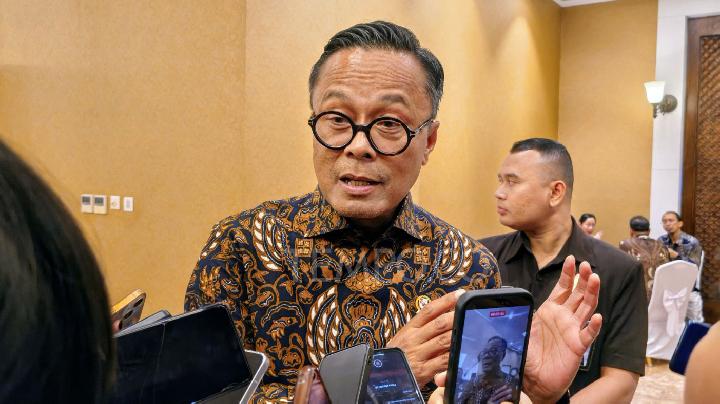
Danantara Sets November Deadline for State Construction Merger Plan
Tempatdonasi.com – Danantara is aiming to complete the consolidation of four Indonesian state-owned construction companies by the end of November 2026, as officials pursue a broader effort to improve the financial footing and operating structure of the sector.
The planned transactions would pair Nindya Karya with Brantas Abipraya and combine Adhi Karya with PP. Dony Oskaria, Danantara’s chief operating officer and head of the State-Owned Enterprise Regulatory Agency, said the two mergers are considered more manageable because the companies involved are relatively healthier than several other state builders.
Speaking at the Investor Daily Summit 2026 in Jakarta on Thursday, October 8, 2026, Dony said the target is to finish the process before November closes. The timetable places the proposed combinations at the center of a wider review of state-owned construction businesses, many of which face substantial debt and restructuring challenges.
“We hope this will be completed by the end of November at the latest,” Dony said.
Asset Sales Planned After Consolidation
Once the mergers are completed, the companies are expected to move into a recovery phase focused on selling assets that are not essential to their core operations. Revenue from those divestments is intended to be used specifically for reducing outstanding operational debt.
Only after that debt-reduction effort would a final restructuring be designed for each entity. The approach is meant to take account of the individual company’s ability to meet its financial obligations, rather than applying an identical solution across every state construction firm.
Dony emphasized that the objective is not a short-term improvement in appearances, but a more durable repair of underlying problems. That means addressing conditions company by company, including debt burdens, assets, and the ability to sustain operations after restructuring.
“So, we’re resolving each company properly one by one because I don’t want to just polish things up today and then have problems arise again. We need to make fundamental improvements, and we need to be truly committed,” Dony stated.
The distinction matters for the construction sector, where a corporate merger alone does not automatically resolve financial pressure. Combining businesses can alter management structures and operating scale, but debt, asset quality, and the capacity to generate future revenue remain central questions in any recovery plan.
Different Challenges for WIKA and Waskita Karya
Danantara has identified a more difficult path for state-owned builders carrying heavier financial burdens, including Wijaya Karya, widely known as WIKA, and Waskita Karya. These companies are seen as requiring deeper intervention than the four firms selected for the initial merger program.
WIKA’s debt is estimated at around Rp34 trillion. The concern is that this burden is not supported by adequate underlying assets, making its recovery challenge more complex than simply reorganizing the company or combining it with another builder.
Waskita Karya is also examining options for recovery. One area under review is how its toll-road assets could be optimized through Waskita Toll Road. The assessment reflects the importance of determining which assets can support a sustainable turnaround and which measures are needed to address the company’s broader financial position.
“We must truly assess what needs to be done with this company, because the President’s directive is that once we undertake improvements, they must be complete. We don’t want to do things half-heartedly, just polishing things up, which is pointless. This is what takes time,” he said.
The planned work therefore separates companies into different categories. The proposed Nindya Karya–Brantas Abipraya and Adhi Karya–PP combinations are being treated as relatively straightforward consolidation cases, while WIKA and Waskita Karya require more extensive evaluation before a lasting solution can be implemented.
Focus on Long-Term Repair
The November target signals an effort to move quickly on the mergers while retaining a cautious approach to the broader recovery program. For Danantara, the sequence appears clear: complete the selected consolidations, dispose of non-core assets, use proceeds to reduce operational debt, and then formulate restructuring plans that reflect each company’s real repayment capacity.
That framework also highlights why a single timetable may not fit every state construction company. Firms with comparatively stronger conditions can be brought together more readily, while those with large debts or insufficient asset backing need a more detailed examination of their finances and asset portfolios.
Dony said he intends to scrutinize each stage carefully, with attention to the longer-term outcome rather than a temporary result. He described the four companies involved in the mergers as the easier cases within the wider state construction landscape.
“I’m the type of person who has to be meticulous with each step, looking at the future and so on, but the four state-owned construction companies that tend to be healthier are relatively easy for us to merge,” said Danantara’s COO.
With the end-of-November deadline approaching, the proposed mergers will be an early test of whether consolidation and targeted debt reduction can establish a stronger foundation for Indonesia’s state-owned construction companies. The more complex cases, particularly WIKA and Waskita Karya, are expected to remain subject to further assessment as officials seek solutions intended to be complete rather than temporary.
Related Reading
Frequently Asked Questions
What is Danantara Targets Merger of Four State?
Danantara Targets Merger of Four State is the main topic of this guide. The article explains the context, practical details, and next steps readers should understand.
Why does Danantara Targets Merger of Four State matter?
Danantara Targets Merger of Four State matters because readers are looking for a useful answer, not just a short summary. Good content should match search intent and help them decide what to do next.