US Suspends Microsoft, Adobe from Filing for Green Cards
The Trump administration has moved to suspend several large technology and IT outsourcing companies from using a key employment-based immigration pathway that
US Halts Green Card Labor Certification Filings for Major Technology Companies
Tempatdonasi.com – The Trump administration has moved to suspend several large technology and IT outsourcing companies from using a key employment-based immigration pathway that can lead to permanent residence in the United States. The action affects Microsoft as well as Cognizant, Infosys, Tata, Wipro, HCL, Capgemini, and Adobe.
US Labor Secretary Keith Sonderling announced the decision on Thursday, saying the companies were being removed from participation in the Permanent Labor Certification Program, commonly known as PERM, while federal investigations continue.
“I am hereby suspending from the Permanent Labor Certification Program some of the largest IT outsourcing firms in the world, Cognizant, Infosys, Tata, Wipro, HCL, and Capgemini,” US Labor Secretary Keith Sonderling said.
PERM is an important stage for employers seeking green cards for foreign workers. Before a company can sponsor a worker for permanent residency through this process, it must generally demonstrate that it tried to recruit qualified US workers for the role and could not find suitable applicants. The system has long been central to employment-based immigration in industries that rely heavily on specialized technical talent.
The suspension places heightened pressure on companies with large international workforces and substantial needs in software engineering, technology services, consulting, and related fields. It also creates uncertainty for employees whose plans to remain in the United States may depend on employer-sponsored permanent residency applications.
Administration Alleges Abuse of Recruitment Rules
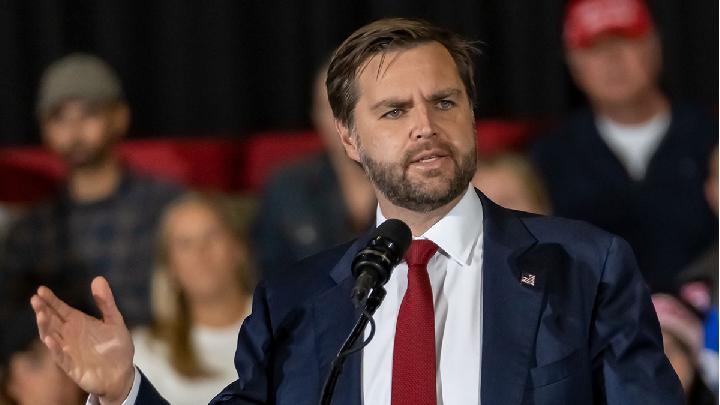
Vice President JD Vance argued that some employers have manipulated the program’s recruitment requirements to claim that Americans were unavailable for jobs that would ultimately be filled by foreign workers.
“They’ll put an advertisement in a small-town newspaper. They’ll go out there and say that ‘We have advertised for a position with our company, and nobody is responding to it.’ And they will use that lack of response to then go and replace American workers with what is effectively foreign indentured servants,” Vance claimed.
Vance singled out Microsoft in his remarks, contending that no US company had made greater use of the system.
“There has been no company in the United States, unfortunately, that has used this system more than Microsoft,” Vance said.
The administration’s action reflects a broader political dispute over whether employment-based visa and green card programs strengthen the US economy by bringing in highly skilled workers or weaken opportunities for American employees. Critics of the existing system have argued for years that some companies use immigration programs to access lower-cost labor. Employers and business groups have often countered that skilled-worker programs help fill roles for which they cannot readily find enough qualified candidates in the domestic labor market.
The issue has particular importance for Indian technology companies and professionals. Several businesses named in the suspension have deep ties to India or employ large numbers of Indian workers in the United States. Coverage of the announcement drew immediate attention in Indian media because of the potential consequences for employees and families navigating long-term immigration plans.
Microsoft Defends Its Hiring Practices
Microsoft responded by saying it intends to provide the administration with additional information. The company stressed that most of its employees are Americans and said many of its H-1B filings concern people who are already living and working in the United States.
“We pay our employees some of the highest compensation in the tech sector, and our wages are among the highest of all H-1B filings,” the company said.
Microsoft’s workforce is large both inside and outside the United States. Its 2025 annual report lists 125,000 US employees and 103,000 workers internationally. Those figures illustrate why immigration policy decisions can have significant operational and personal consequences for major global companies: hiring, retention, project planning, and employee mobility can all be affected when visa or green card processes change.
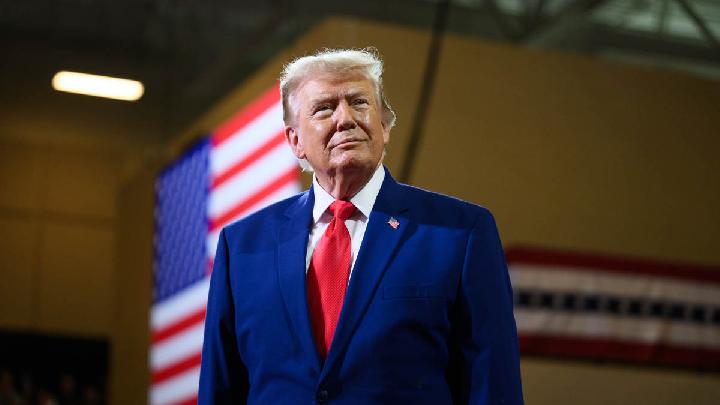
The announcement came only hours before President Donald Trump was scheduled to present the National Medal of Technology and Innovation to Microsoft chief executive Satya Nadella. The timing underscored the complicated relationship between the administration and major US technology companies, which are often celebrated for innovation while also facing scrutiny over labor practices and immigration sponsorship.
PERM and H-1B Remain Under Intense Scrutiny
The PERM system is separate from the H-1B visa program, though both are often part of the same long-term employment journey for foreign professionals. H-1B visas allow employers to hire certain skilled workers on a temporary basis. PERM certification can be used later as part of an employer-sponsored green card application, potentially allowing a worker to remain in the country permanently.
For workers, the difference matters. An H-1B visa is tied to temporary work authorization, while a green card offers permanent resident status. Delays or suspensions in labor certification can therefore affect career choices, family planning, and the ability to make longer-term decisions about life in the United States.
The H-1B program has also faced sustained criticism during the Trump administration’s broader immigration crackdown. Concerns have persisted that skilled-worker visas may displace Americans or give employers access to less expensive foreign labor. Supporters of the program maintain that it remains vital for businesses competing for specialized expertise in fields such as engineering, computing, and advanced technology.
For now, the suspension signals that federal investigators are examining whether the named companies complied with the rules governing PERM filings. The outcome could shape not only the immigration prospects of workers employed by those firms, but also the way technology companies recruit and sponsor talent in the years ahead.
Related Reading
Frequently Asked Questions
What is US Suspends Microsoft Adobe from Filing?
US Suspends Microsoft Adobe from Filing is the main topic of this guide. The article explains the context, practical details, and next steps readers should understand.
Why does US Suspends Microsoft Adobe from Filing matter?
US Suspends Microsoft Adobe from Filing matters because readers are looking for a useful answer, not just a short summary. Good content should match search intent and help them decide what to do next.