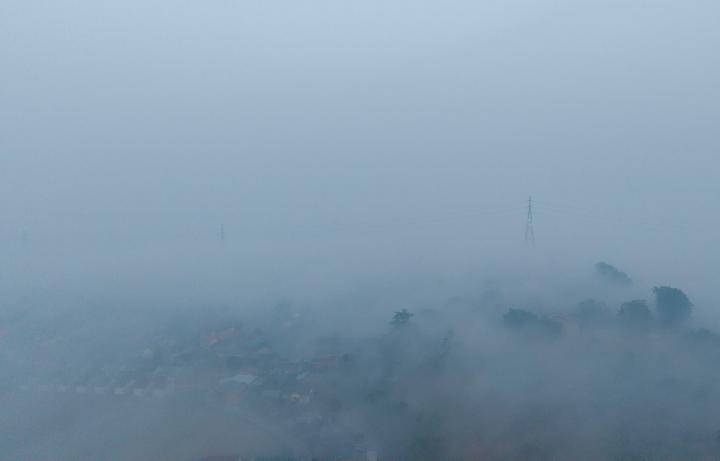
Iswami Malaysia Urges Fact-Based Reporting on Haze Crisis
As haze linked to forest fires in parts of Indonesia affects air quality across national borders, the Malaysia-Indonesia Journalists Friendship Association
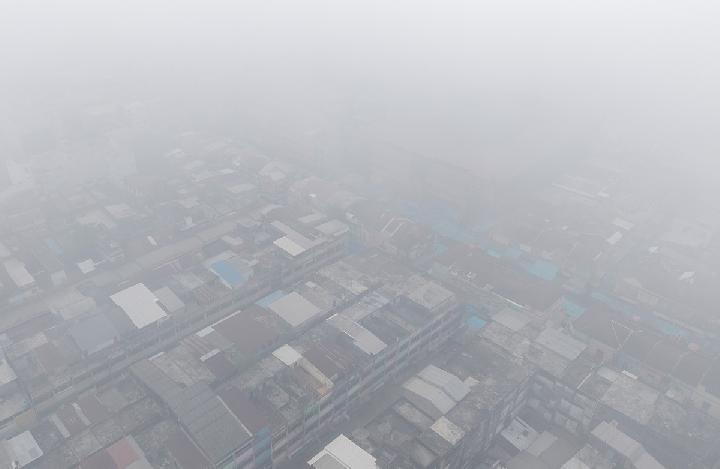
Malaysia-Indonesia Journalists Group Calls for Responsible Coverage of Haze Emergency
Tempatdonasi.com – As haze linked to forest fires in parts of Indonesia affects air quality across national borders, the Malaysia-Indonesia Journalists Friendship Association, known as Iswami, has urged news organizations to focus on evidence, informed analysis, and the experiences of people living with the pollution.
In a statement issued in Kuala Lumpur on Monday, Iswami Malaysia President Datuk Ahmad Zaini Kamaruzzaman said coverage should avoid assigning collective blame to a country’s population. He said the issue should be approached through facts, expert perspectives, and attention to communities facing the health effects of poor air.
“The media must prioritize facts, expert opinions, and the voices of those affected, and avoid narratives that blame the entire population of a country,” said Ahmad Zaini.
The association expressed concern over the transboundary haze reaching Malaysia and the consequences for daily life, public health, and environmental conditions. Rather than treating the problem solely as an environmental episode, Iswami described it as a regional responsibility involving the welfare of people in neighboring countries.
A long-term regional challenge
Ahmad Zaini said recurring haze cannot be addressed effectively through short-term action taken only after conditions deteriorate. Forest-fire smoke can travel beyond the areas where burning occurs, making the response dependent on prevention, enforcement, monitoring, and cross-border coordination.
“This recurring problem requires a comprehensive solution, not just emergency measures when the situation worsens,” said Ahmad Zaini.
For members of the public, air-quality updates are an important practical tool during periods of haze. Iswami advised people to consult the Air Pollution Index, or API, and follow guidance from relevant authorities. Such information can help residents understand changing conditions and consider protective steps, especially when air quality worsens.
The group placed particular emphasis on people who may face greater risks from unhealthy air. Clear health advice, reliable pollution monitoring, and appropriate protective measures should be readily available, it said. Public communication matters because haze can disrupt ordinary routines, including travel, outdoor work, education, and family activities.
Five areas for action
Iswami outlined five priorities it believes should guide the response. The first is public-health protection through close monitoring of air quality, accurate health information, practical advice, and measures designed especially for at-risk groups.
Its second priority concerns prevention and legal enforcement in Indonesia. The association called for intensified firefighting efforts, stronger action to prevent open burning, and firm measures against those found to have violated the law. Prevention is central because the effects of fires can extend far beyond the locations where they begin.
Third, the organization urged Malaysia and Indonesia to deepen bilateral cooperation. It identified the exchange of hotspot information, haze monitoring, technical support, and firefighting operations when required as important forms of collaboration. Sharing timely information can help authorities assess risks and respond more effectively as conditions change.
The fourth priority is a stronger ASEAN commitment to prevention, preparedness, and emergency response. Iswami said sustained regional engagement is necessary to advance the goal of a haze-free region. A regional framework is significant because the pollution does not stop at national boundaries and its effects can be felt by communities in multiple countries.
Finally, Iswami called for media coverage that is accurate, balanced, and responsible. Reporting can shape public understanding of a complex crisis, including the difference between identifying causes and unfairly targeting entire populations. The association’s message places journalists alongside governments, experts, and communities in the broader effort to address the problem constructively.
Protecting ties while addressing accountability
Iswami said the close relationship between Malaysia and Indonesia should provide a basis for candid and mature discussion of haze. Addressing the issue openly, it said, should not overlook the interests of people in either country, since both have a legitimate expectation of clean air and a safe environment.
The association’s position recognizes that public concern and regional cooperation can exist together. Calls for accountability do not need to undermine relations between neighboring nations; they can instead support more effective action when they are grounded in evidence and focused on protecting people.
Ahmad Zaini warned against allowing transboundary haze to be viewed as an unavoidable seasonal occurrence. Without durable solutions, the same threat can continue to return and affect both lives and environmental sustainability.
“Iswami Malaysia believes that sincere cooperation, clear accountability, and effective action can ensure that the threat of haze does not recur, thereby harming people’s lives and environmental sustainability,” said Ahmad Zaini.
The appeal reflects the need for sustained attention long after visible haze begins to clear. Effective prevention, transparent information, enforcement, regional readiness, and responsible public discussion remain essential to reducing the likelihood and impact of future episodes.
Related Reading
Frequently Asked Questions
What is Iswami Malaysia Urges Fact Based Reporting?
Iswami Malaysia Urges Fact Based Reporting is the main topic of this guide. The article explains the context, practical details, and next steps readers should understand.
Why does Iswami Malaysia Urges Fact Based Reporting matter?
Iswami Malaysia Urges Fact Based Reporting matters because readers are looking for a useful answer, not just a short summary. Good content should match search intent and help them decide what to do next.