Indonesia Permanently Bans Lobster Larvae Exports, Minister Says
Indonesia has confirmed that lobster larvae will no longer be allowed to leave the country for export, as the government moves to keep more of the seafood
Indonesia Makes Lobster Larvae Export Ban Permanent
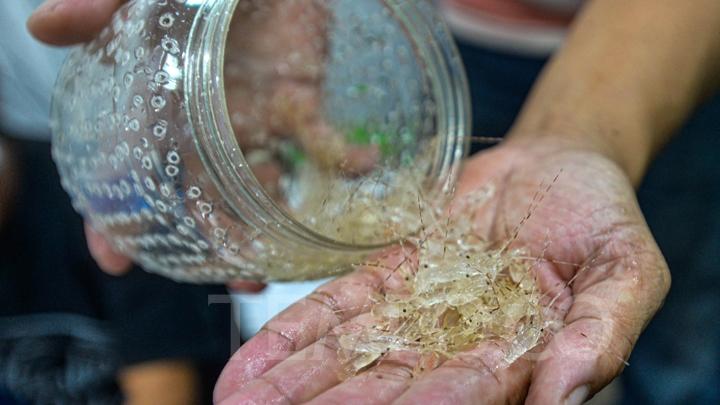
Tempatdonasi.com – Indonesia has confirmed that lobster larvae will no longer be allowed to leave the country for export, as the government moves to keep more of the seafood industry’s value chain at home. Marine Affairs and Fisheries Minister Sakti Wahyu Trenggono said the restriction is intended to support domestic cultivation and prevent the country’s marine resources from being sold abroad before they are developed into market-ready products.
The announcement came during the launch of a new task force at the Ministry of Marine Affairs and Fisheries in Jakarta. The unit, called Satgas P2BBL, has been formed to counter the illegal movement of lobster larvae out of Indonesia.
“Exports of lobster larvae remain banned,” Trenggono said.
When asked whether the policy would have a fixed end date, he made clear that the government does not view it as temporary.
“It will remain in place forever.”
Domestic Cultivation Takes Priority
The ban is set out in Marine Affairs and Fisheries Ministerial Regulation No. 5/2026, which revises Regulation No. 7/2024. A separate measure, Presidential Regulation No. 69/2026, provides the legal foundation for the task force and its enforcement role against illegal lobster larva shipments.
Lobster larvae, sometimes called lobster seeds, can still be collected for aquaculture within Indonesia. However, their capture is subject to quotas and the larvae must be raised domestically rather than shipped overseas. The policy is designed to channel the resource into Indonesian farms, where lobsters can be grown to commercial size before entering the market.
Exports remain possible for farmed lobsters that weigh at least 50 grams and meet the required conditions. Among those requirements is documentation showing where the lobster came from. In effect, the rules distinguish between the prohibited trade in young larvae and the permitted export of lobsters that have been cultivated in Indonesia.
“The ministerial regulation is already in place, Regulation No. 5. Now there is Presidential Regulation No. 69. The presidential regulation is about enforcement, meaning [the illegal shipment of larvae] is not allowed at all,” Trenggono said.
The approach reflects the government’s aim of retaining more economic activity inside the country. Rather than allowing lobster larvae to be sent abroad for cultivation, Indonesia wants domestic producers to raise them, creating value through farming, processing and legitimate export of larger lobsters.
Trenggono said foreign parties that need lobster larvae would have to engage directly with the Indonesian government. For now, the policy leaves no room for commercial exports of larvae outside the domestic aquaculture system.
Production Goals for Indonesian Farms
Indonesia is estimated to have an annual lobster larva population of roughly 500 million, Trenggono said at the task force launch. That scale has made the species a major focus for aquaculture policy, while also creating incentives for illegal trafficking.
The ministry’s aquaculture strategy for 2025 through 2029 sets a 2026 target of 1,100 tons of farmed lobster production. National output from farmed lobster reached 481 tons in 2024, compared with 437 tons a year earlier. The figures show growth in production, though the 2026 target would require a substantial further expansion in domestic farming capacity.
A recent shipment from Batam in the Riau Islands offered an example of the model the government wants to develop. In September 2026, 339.5 kilograms of lobsters from a pilot cultivation project in Batam were sold to Singapore. The shipment illustrated the potential for Indonesia to export lobsters after they have been raised to market size within the country.
For producers, the policy places importance on traceability and compliance. Farmed lobsters intended for export must meet the minimum weight requirement and carry origin documentation, giving authorities a mechanism to distinguish legal cultivated products from animals linked to prohibited larva trafficking.
New Task Force Targets Smuggling
Stopping illegal shipments is the government’s immediate focus. Satgas P2BBL brings together ministries, government agencies and law enforcement bodies to prevent and combat the unlawful transport of lobster larvae from Indonesia.
“Law enforcement is the main priority. We must focus on enforcement first so that illegal activities can be stopped,” Trenggono said.
The minister said Indonesia had spent about two years trying to build bilateral cooperation with neighboring countries, but those efforts did not succeed in ending the smuggling problem. As a result, the government is prioritizing enforcement within Indonesia before opening broader discussions with countries that receive illegally exported larvae.
Indonesia remains willing to consider lawful government-to-government arrangements with countries seeking lobster larvae. But Trenggono emphasized that any future cooperation would need to be handled through official channels, rather than allowing destination markets to continue receiving larvae removed from Indonesia illegally.
“We are not looking to communicate for now. That can come later. Let’s focus on things at home first,” Trenggono said.
The permanent ban therefore combines two goals: protecting lobster larvae from illicit export and building a larger domestic aquaculture sector. By allowing cultivated, properly documented lobsters to be exported while blocking overseas shipments of larvae, Indonesia is seeking to keep the early stages of lobster production under national control and capture more value from its marine resources.
Related Reading
Frequently Asked Questions
What is Indonesia Permanently Bans Lobster Larvae Exports?
Indonesia Permanently Bans Lobster Larvae Exports is the main topic of this guide. The article explains the context, practical details, and next steps readers should understand.
Why does Indonesia Permanently Bans Lobster Larvae Exports matter?
Indonesia Permanently Bans Lobster Larvae Exports matters because readers are looking for a useful answer, not just a short summary. Good content should match search intent and help them decide what to do next.