
UK Students Call for Ban of School Uniforms in Pornography
Two 15-year-old students from Bicester, Oxfordshire, are calling for school uniforms to be removed from pornography, arguing that clothing associated with
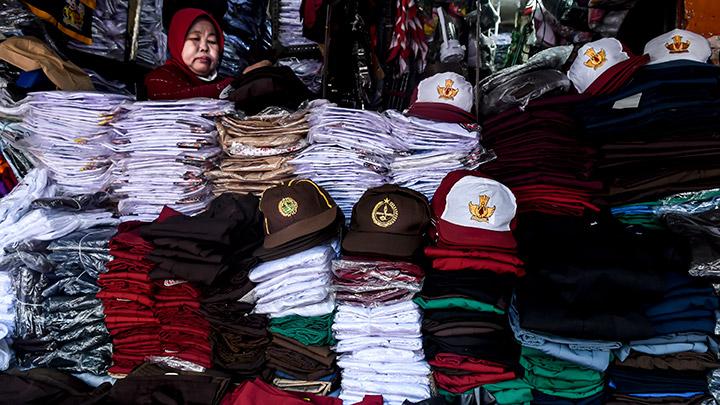
Oxfordshire Students Push for Limits on Sexualized School Uniform Images
Tempatdonasi.com – Two 15-year-old students from Bicester, Oxfordshire, are calling for school uniforms to be removed from pornography, arguing that clothing associated with children’s education should not be treated as a sexualized product.
Aylin and Mae belong to their school’s Little Feminist Book Club. The campaign emerged after the group discussed efforts by teenagers elsewhere to stop sex shops from selling school-uniform costumes. The Bicester students decided they wanted their proposal to go further by targeting the use of school-uniform imagery throughout pornographic material.
“All of us unanimously agreed. We wanted to take it a step further; we wanted to ban school uniform from all pornography,” Aylin said.
The students launched a petition intended to draw attention to what they see as the damaging effect of sexualizing an item of clothing worn by children and teenagers every day. Their argument is not focused only on the commercial sale of costume outfits. It concerns the wider cultural association between school clothing and sexual content, which they believe can affect pupils beyond the school gates.
Experiences of Harassment
The petition says that many pupils have already faced unwanted attention while wearing their uniforms. Some described being harassed from the age of 11, leaving them frightened, embarrassed and less secure in public spaces.
Mae said the issue has changed how she feels about wearing her own uniform outside school.
“I don’t wear my school uniform outside of school,” Mae said. “I don’t like wearing it out.”
For the campaigners, a uniform should represent learning, belonging and an ordinary part of childhood. Instead, they say its portrayal in sexual media has altered the way some people look at young people wearing it. That concern becomes particularly significant in the United Kingdom, where uniforms are a routine and often compulsory part of school life.
Almost every British school and preschool requires pupils to wear a uniform. In practice, that means children from roughly age 4 through 16 commonly travel to school, use public transport, visit shops or spend time outdoors while wearing clothing that clearly identifies them as pupils. The students argue that children cannot simply avoid being seen in uniform once the school day ends.
Figures Cited in the Petition
The campaign refers to a 2018 study by the charity Plan International involving 1,004 people aged 14 to 21. In that survey, 35% said they had experienced unwanted sexual attention while dressed in school uniform.
The same research found that 8% had been photographed or filmed without permission by a stranger, or had been subjected to “upskirting” — the taking of an image beneath a person’s skirt without consent. Such experiences highlight why the debate is not limited to online media or costume sales. It also concerns privacy, safety and the expectations placed on children in public.
“Something that should actually be innocent, something that is supposed to symbolize a community, has now become discredited in society,” Mae said. “And our perception of what a school uniform represents has been distorted by this disgusting media.”
School uniforms are used in many countries for practical and social reasons. Supporters often say they can reduce visible differences in family income, make it easier to identify pupils and encourage a sense of shared identity. They are also intended to lessen some forms of bullying linked to fashion and expensive clothing. The students’ campaign raises a different question: whether those intended benefits are undermined when uniforms are repeatedly presented as sexualized symbols.
A Call for Legislative Action
Aylin and Mae hope that their campaign will eventually lead to legislation. As of October 5, 2026, their petition had attracted more than 24,000 signatures. Attention from an article in The Times has helped bring the issue to a larger audience, while two Members of Parliament have expressed support for the students’ cause.
The next aim is to persuade Parliament to debate the proposal. A parliamentary discussion would not automatically create a new law, but it could give supporters an opportunity to press for clearer action and force wider consideration of how school-uniform imagery is used and marketed.
The campaign has also prompted disagreement over possible responses. Some people have suggested that longer skirts could help protect pupils from harassment. Aylin rejects that approach, saying it places responsibility on children rather than on those who choose to sexualize or harass them.
“I believe that’s wrong,” Aylin said. “We shouldn’t blame the victims. We should blame those who think it is acceptable to sexualize them.”
That position reflects a broader principle at the center of the petition: children should be able to wear required school clothing without being treated as responsible for the behavior of adults or strangers. For the two students, the issue is therefore not simply about fabric, dress codes or costume design. It is about whether an object linked to education and childhood can retain its ordinary meaning without being turned into a sexualized image.
By taking their concerns from a school book club to a national petition, Aylin and Mae have placed a difficult subject into public discussion. Their campaign asks lawmakers, businesses and the public to consider how cultural imagery can shape real experiences for pupils — and whether school uniforms should be protected from that association altogether.
Related Reading
Frequently Asked Questions
What is UK Students Call for Ban of School?
UK Students Call for Ban of School is the main topic of this guide. The article explains the context, practical details, and next steps readers should understand.
Why does UK Students Call for Ban of School matter?
UK Students Call for Ban of School matters because readers are looking for a useful answer, not just a short summary. Good content should match search intent and help them decide what to do next.