VP Gibran Responds to Poor Government Performance Ratings
Vice President Gibran Rakabuming Raka has said negative assessments of the Prabowo-Gibran administration should be treated as an opportunity for the
Gibran Calls for Policy Review After Low Marks in Two-Year Assessment
Tempatdonasi.com – Vice President Gibran Rakabuming Raka has said negative assessments of the Prabowo-Gibran administration should be treated as an opportunity for the government to examine its decisions and improve the way it delivers public policy.
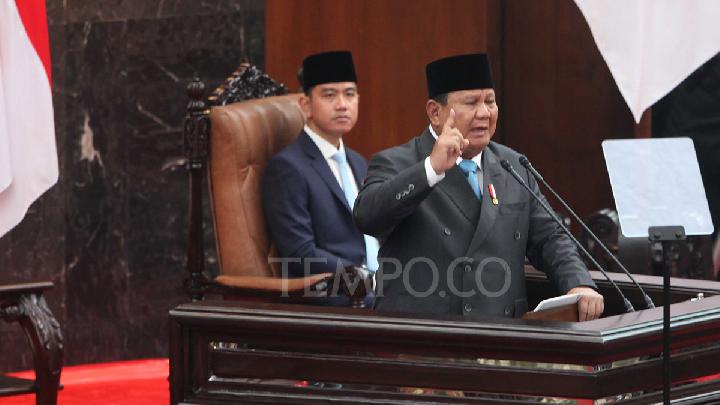
Speaking in a statement received in Jakarta on Tuesday, October 13, Gibran responded to findings released by the Center of Economic and Law Studies, or Celios, in its review of the administration’s first two years. He said criticism from citizens, researchers, and independent organizations has an important place in a democratic system.
“I see all of these as part of democracy and as material for the government to evaluate itself and continue improving,” he said.
The vice president said the criticism was not something to dismiss. Instead, he described it as input that should encourage officials to revisit existing policies, identify weaknesses in implementation, and make changes where government programs are not adequately addressing public concerns.
Public Pressure Reflected in Survey Results
The Celios assessment was released on Sunday, October 11, and was prepared with the Shadow Cabinet. It examined the performance of President Prabowo Subianto and Vice President Gibran during their two years in office.
Its results pointed to substantial dissatisfaction among both members of the public and experts surveyed across Indonesia. On a scale from 1 to 10, the administration received an average score of 4.6 from the public and 2.8 from experts.
Gibran’s individual rating was slightly higher among public respondents, at 4.9, while experts gave him an average score of 2.2. The gap between the two groups illustrates that perceptions of government performance can differ sharply depending on whether respondents are judging their everyday experience or evaluating policy outcomes through professional expertise.
Celios Executive Director Bhima Yudhistira said at the launch of the report that 75 percent of 1,122 respondents said government policies had left them feeling stressed. The concerns raised most often involved the increasing cost of basic necessities, limited job opportunities, and issues surrounding law enforcement.
The survey included 1,142 members of the public and 129 experts drawn from provinces throughout Indonesia. The different respondent totals cited in the survey findings reflect the specific groups and questions used in the assessment.
Focus on Everyday Problems
For households, the price of staple goods and the availability of work are immediate measures of whether public policy is producing tangible benefits. When families face higher daily expenses or difficulty securing employment, broader government achievements may feel distant from their personal circumstances.
Law enforcement was also identified as a central concern. Public confidence in institutions is often shaped not only by the rules that exist, but by whether those rules are applied fairly, consistently, and in a way that people can see in their communities.
Gibran said the government must improve its working methods as well as its policies. That distinction matters: a policy may have a clear objective, but its effects can be limited if coordination, communication, timing, or implementation do not match the needs of those it is meant to serve.
His response suggests that the administration sees the Celios findings as a signal to assess both substance and execution. Reviews of this kind can highlight where public expectations remain unmet and where officials may need to explain their priorities more clearly.
Criticism as Part of Democratic Accountability
Independent surveys and public criticism do not automatically determine government policy, but they can provide a useful snapshot of public sentiment. They also offer an opportunity for leaders to compare official goals with the experiences described by citizens and experts.
Gibran emphasized that criticism aimed at him personally, as well as criticism directed at the wider administration, should lead to reflection rather than defensiveness. His comments placed the report within a broader democratic process in which governments are expected to listen to feedback and make adjustments when necessary.
The low ratings from experts and the moderate public scores leave the administration with a clear challenge: demonstrating that its policies can ease pressure on households, improve access to employment, and strengthen trust in law enforcement. Whether future evaluations improve will depend on how effectively those concerns are translated into practical action.
For now, the Celios report has added to the discussion over the administration’s record after two years. Gibran’s response indicates that the government intends to use the criticism as material for self-evaluation and continued improvement.
Related Reading
Frequently Asked Questions
What is VP Gibran Responds to Poor Government?
VP Gibran Responds to Poor Government is the main topic of this guide. The article explains the context, practical details, and next steps readers should understand.
Why does VP Gibran Responds to Poor Government matter?
VP Gibran Responds to Poor Government matters because readers are looking for a useful answer, not just a short summary. Good content should match search intent and help them decide what to do next.