
China Looks to Deepen Coal Ties with US
China is preparing to expand its coal trade relationship with the United States after the two countries reached an understanding that places US coal imports
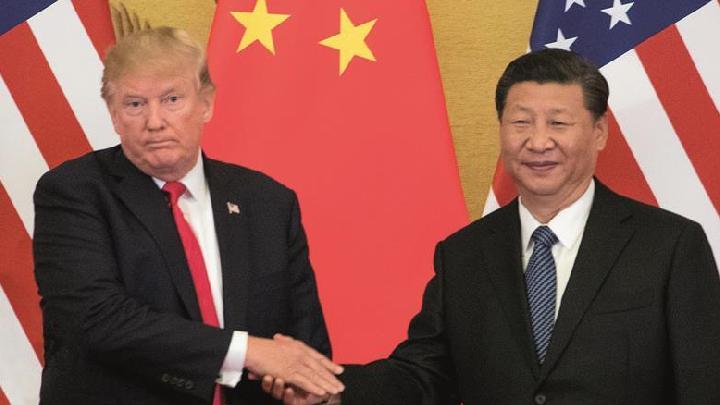
China and US Move Toward Broader Coal Trade Cooperation
Tempatdonasi.com – China is preparing to expand its coal trade relationship with the United States after the two countries reached an understanding that places US coal imports within a reciprocal tariff-reduction arrangement.
The Chinese Ministry of Commerce said the measure is intended to support increased purchases of American coal in 2027 and 2028. The arrangement emerged from recent consultations covering trade and economic matters between Beijing and Washington.
Coal will be included in a tariff framework built around an equal-value principle, with both sides reducing duties on goods valued at US$30 billion. The move links energy trade to a wider effort to ease barriers affecting imports from each country.
“Economic and trade delegations from China and the US reached a consensus that Chinese tariffs on coal imports from the US will be included in the framework of mutual tariff reductions based on a ‘$30 billion for $30 billion’ principle,”
The ministry said this agreement should make it easier for China to bring in coal from the United States over the next two years. While China has a large domestic coal industry, imported supplies can supplement its market and provide additional options for buyers and industrial users.
Part of a Wider Tariff Understanding
The coal arrangement is connected to a broader tariff deal reached during the economic talks. China and the United States agreed to lower duties on each other’s imports totaling US$30 billion.
In addition, tariffs affecting roughly 90 percent of the relevant products on both sides are set to be cut to most-favored-nation, or MFN, levels. MFN treatment generally refers to a standard tariff rate offered to trading partners under established trade rules, rather than a higher rate applied through special restrictions or retaliatory measures.
For businesses involved in coal production, transport, power generation, steelmaking, and other energy-intensive sectors, lower tariffs can affect the final cost of cross-border supplies. The agreement could therefore influence commercial decisions well before coal shipments arrive, including contract negotiations and supply planning.
China described American coal as a useful addition to its domestic market rather than a replacement for local production. The ministry also said stronger coal trade could provide steady income and employment for the US coal sector while contributing to more stable bilateral commerce.
“We hope that through joint efforts, cooperation between China and the US in the coal sector will continue to deepen, ensuring mutual benefit and results that serve the interests of both parties,”
Why Coal Remains Relevant
Coal remains an important commodity in the global energy and industrial economy. It is used not only for power generation but also in processes such as steel production, where certain types of coal play a significant role. Trade in the commodity can involve long supply chains, including mining operations, rail transport, port facilities, shipping companies, and end users.
China’s interest in securing imports from the United States highlights the role that trade policy can play in commodity flows. A reduction in tariffs does not automatically determine purchase volumes, but it can improve the competitiveness of imported material by lowering an added cost at the border.
The potential expansion also carries broader significance because coal is being discussed alongside tariff reductions rather than as an isolated energy issue. It suggests that commodities may serve as practical areas of cooperation when the two economies seek to manage a more complex trade relationship.
For the United States, access to a major overseas market could support demand for coal exports. For China, the arrangement may offer another source of supply while fitting into an agreed framework for easing trade frictions.
Diplomatic Context
The trade consultations followed a period of continued engagement between the two governments on economic issues. Chinese President Xi Jinping made a state visit to the United States from September 23 to 25 at the invitation of US President Donald Trump.
The visit and the subsequent trade discussions underscore the importance both countries place on maintaining channels for dialogue, even when their economic relationship includes competing priorities and tariff disputes.
The coal agreement will now be closely watched for how it is implemented during 2027 and 2028. Its practical effect will depend on the tariff changes, commercial demand, shipping conditions, and the willingness of companies on both sides to pursue new or expanded contracts.
For now, the understanding offers a specific example of how reciprocal tariff reductions may create room for deeper trade links. By placing US coal within the US$30 billion-for-US$30 billion framework, China and the United States have identified an area where both sides expect economic benefits from greater cooperation.
Related Reading
Frequently Asked Questions
What is China Looks to Deepen Coal Ties?
China Looks to Deepen Coal Ties is the main topic of this guide. The article explains the context, practical details, and next steps readers should understand.
Why does China Looks to Deepen Coal Ties matter?
China Looks to Deepen Coal Ties matters because readers are looking for a useful answer, not just a short summary. Good content should match search intent and help them decide what to do next.