
5 Baby Orangutans Found in Indian Forest: What It Means for Indonesia
The discovery of five baby orangutans abandoned in the Bichitrapur Casuarina Forest in Balasore District, Odisha, has renewed calls for Indonesia and India to
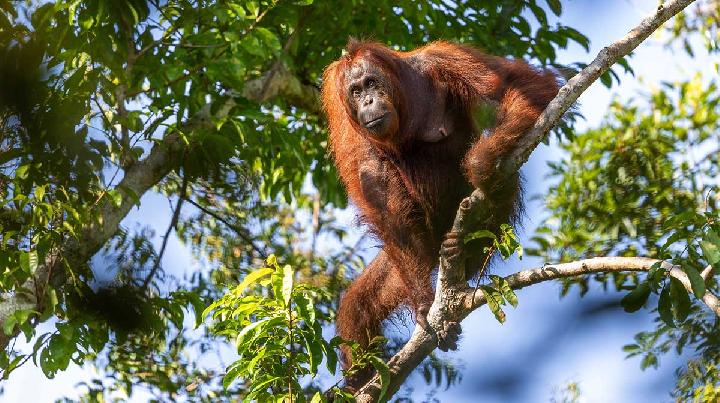
Five Abandoned Orangutan Infants in Odisha Put Trafficking Routes Under Scrutiny
Tempatdonasi.com – The discovery of five baby orangutans abandoned in the Bichitrapur Casuarina Forest in Balasore District, Odisha, has renewed calls for Indonesia and India to act decisively against wildlife trafficking networks. The animals were found on September 8, 2026, far from the natural range of orangutans and in circumstances that raise urgent questions about how they were moved across national borders.
Orangutans occur naturally only in parts of Southeast Asia, particularly Indonesia and Malaysia. Their appearance in India is therefore not simply a conservation rescue case involving five vulnerable animals. It is also a possible indicator of a wider cross-border trade in protected wildlife, involving capture, transport, sale, and illegal possession.
Call for Immediate Repatriation
Annisa Rahmawati, Senior Wildlife Campaigner at Geopix, urged President Prabowo Subianto to pursue firm diplomatic steps with the Indian government and to seek the animals’ return to Indonesia.
“These five baby orangutans never chose to leave Indonesia. The Indonesian government must ensure their immediate repatriation to Indonesia,”
Annisa delivered the statement in a text message on Thursday, September 10, 2026. She said the case adds to a continuing pattern of transnational crimes involving orangutans, requiring serious attention from authorities in both countries.
Geopix had already pressed for the repatriation of 15 orangutans smuggled into India between 2021 and 2024. The organization also started a petition intended to build public support in Indonesia and internationally for the return of trafficked orangutans.
The latest case highlights why repatriation is only one part of the response. Returning rescued animals may be important for their welfare and for national conservation efforts, but it does not by itself identify the people or networks responsible for taking them from the wild and moving them overseas.
A Journey That Could Not Have Happened Accidentally
Indra Kurnia, Director of the Sumatran Orangutan Lestari Foundation–Orangutan Information Center, or YOSL-OIC, said the central issue is the route that brought the infants thousands of kilometres from their home range.
“This question is far more important than simply how to save the five individual orangutans that have been found,”
For young orangutans to reach another country, a series of illegal steps may have occurred. An animal must first be removed from the forest, often after being separated from its mother. It then needs to be concealed, transported, transferred through travel routes, and eventually sold or kept. Each stage can involve different actors, making investigations difficult if they focus only on the final person found with an animal.
Indra said the possibility that the orangutans entered India through international transport routes underlines the need to investigate the complete trafficking chain. The inquiry should extend beyond those who carried, held, or abandoned the animals and seek to establish where they were taken, who arranged their movement, and where the trade was intended to end.
This approach matters because wildlife trafficking can operate across several jurisdictions. A case may begin in a forest area, pass through domestic transport networks, cross a border, and end with private ownership or commercial trade elsewhere. Effective enforcement requires cooperation between conservation agencies, police, customs authorities, and relevant governments at every point along that chain.
Rescue Is the First Step, Not the Final Answer
Indian authorities acted quickly to rescue the five infants and arrange health examinations. The orangutans were subsequently taken to Nandankanan Zoological Park for additional treatment, care, and observation.
That intervention offers the animals immediate protection, particularly because infant orangutans are highly dependent and require specialized care. Yet their rescue also begins a larger conservation investigation: determining where each individual originated.
Indra said geographic and genetic identification should form an essential part of the process. Such work could help establish whether the animals came from Indonesia or Malaysia and, where possible, identify a more specific population or area of origin.
“This information can help determine whether the orangutan originated in Indonesia or Malaysia, and, if possible, help narrow down its area or population of origin.”
For Indonesia, identifying origin is particularly significant. Every orangutan removed from the wild can represent a loss to a population already affected by shrinking and fragmented habitat, conflict between people and orangutans, and illegal trade. An infant taken from its environment also points to a disruption that may extend beyond the individual animal, given the close dependence of young orangutans on their mothers.
Protection Must Cover Forests, Borders, and Markets
The Odisha discovery has strengthened demands for a coordinated response that begins before animals are removed from the forest. Protecting habitat and monitoring wild populations are fundamental, but prevention must also include efforts to stop capture, detect trafficking routes, and investigate illegal wildlife markets.
Annisa called for joint legal action aimed at exposing and dismantling the networks involved.
“We must ensure that joint legal proceedings are conducted to dismantle the transnational network that captures, smuggles, and trades these baby orangutans,”
A comprehensive response would connect forest protection with cross-border enforcement and long-term care for rescued animals. The five infants found in Odisha now need sustained veterinary attention and protection. At the same time, the circumstances of their arrival demand a broader investigation, because identifying the full route behind their trafficking may help prevent more orangutans from being taken from the wild.
Related Reading
Frequently Asked Questions
What is 5 Baby Orangutans Found in Indian?
5 Baby Orangutans Found in Indian is the main topic of this guide. The article explains the context, practical details, and next steps readers should understand.
Why does 5 Baby Orangutans Found in Indian matter?
5 Baby Orangutans Found in Indian matters because readers are looking for a useful answer, not just a short summary. Good content should match search intent and help them decide what to do next.