
Beloved Actor Tim Curry’s Cause of Death Revealed
The man who brought the unforgettable Frank-N-Furter to life on screen in 1975, and who later lent his voice to countless animated and theatrical productions
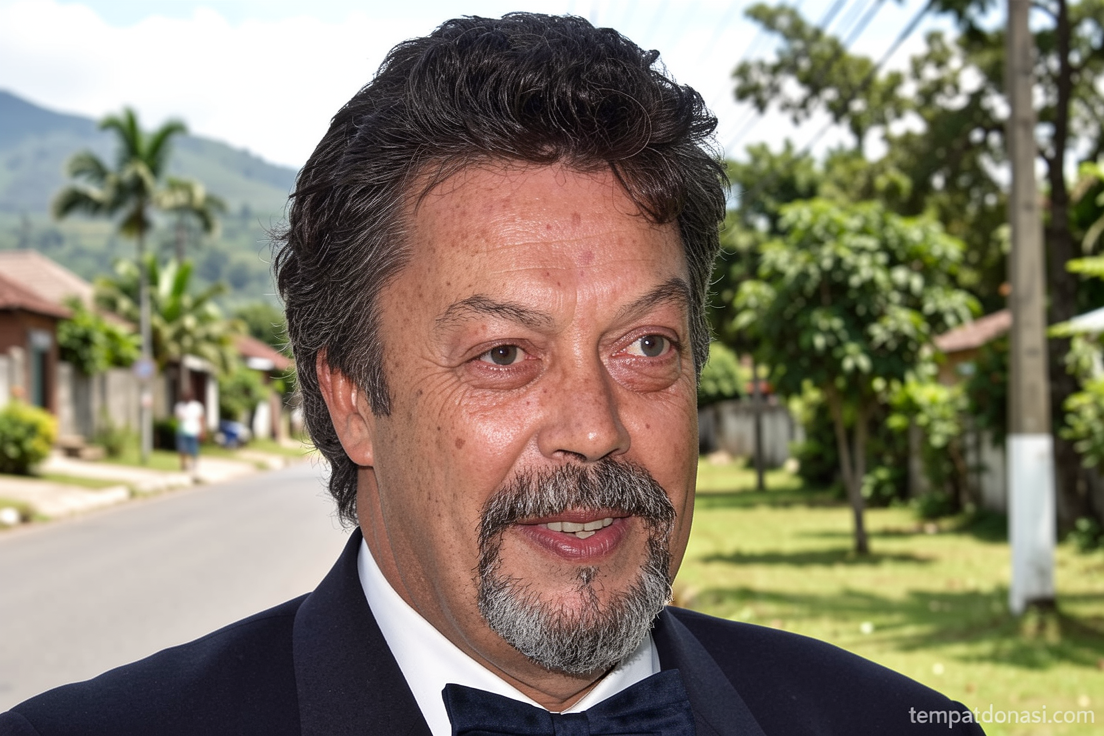
Tim Curry’s Death Traced to Coronary Artery Disease, Eight Days After the Actor Passed Away
Tempatdonasi.com – The man who brought the unforgettable Frank-N-Furter to life on screen in 1975, and who later lent his voice to countless animated and theatrical productions, has had his final medical mystery resolved. Tim Curry, the British-born performer who became a fixture of American pop culture across five decades, died on Tuesday, August 25, 2026, at the age of 80. Eight days after his passing, official records confirmed that coronary artery disease was the primary cause of death.
What the Medical Records Show
Documents released by the Los Angeles County Department of Public Health laid out the clinical picture behind the actor’s death. While Curry carried a documented history of both stroke and kidney cancer, neither condition was identified as the underlying cause. Instead, the records attributed his death to coronary artery disease, a condition in which plaque narrows the arteries supplying the heart muscle, eventually restricting blood flow to a degree that triggers cardiac failure or fatal arrhythmia.
The filings also noted that no surgical or interventional procedures had been carried out to address the coronary disease, the kidney cancer, or the prior stroke. In practical terms, this means Curry managed all three conditions through medication, lifestyle adjustment, and monitoring rather than operative intervention — a choice consistent with his later preference for a quieter, less physically demanding existence.
His longtime manager and close friend Marcia Hurwitz confirmed that Curry died at his home in the Toluca neighborhood of Los Angeles on the evening of August 25. The time of death was recorded at 11:18 p.m. local time, just shy of midnight.
A Stroke That Redefined a Career
Curry’s relationship with his own body took a dramatic turn in 2012, when he suffered a major stroke. The event left him reliant on a wheelchair and effectively ended his stage and on-camera work. From that point forward, he channeled his considerable vocal talent exclusively into voice-acting roles, narrations, and audio productions — a pivot that kept him professionally active for another decade and a half.
In a televised interview on CBS Sunday Morning aired the previous year, Curry recalled the moment the stroke struck, describing a scene that still surprises audiences who hear it:
“It was so strange. I was actually having a massage, and the guy who was giving me a massage said, ‘I’m worried about you. I think we should call a doctor.’ I felt fine. I had no symptoms I was aware of. I wasn’t in pain.”
The anecdote underscores how silently coronary and cerebrovascular disease can progress. Many patients experience no warning signs until a catastrophic event occurs, which is precisely why the absence of prior intervention noted in the death records carries weight: Curry’s arteries had been narrowing without his knowledge or his medical team’s ability to intervene surgically.
Reflections in Vagabond
In 2025, Curry published his memoir, Vagabond, a candid account of his decades in entertainment and the prolonged physical recovery that followed the 2012 stroke. Writing about the aftermath of that near-fatal event, he offered a sentiment that now reads with added poignancy:
“If there was anything impressed upon me in the aftermath, it was just how remarkable it was that I was still alive.”
The book served as both a career retrospective and a meditation on fragility — themes that resonated with readers who had followed his work since the late 1970s.
A Legacy Spanning Film, Television, and the Stage
Curry’s body of work stretches far beyond the single role that made him a household name. Alongside Frank-N-Furter in the 1975 cult classic The Rocky Horror Picture Show, he portrayed Pennywise the Dancing Clown in the 1990 television adaptation of Stephen King’s It, a performance that introduced his theatrical menace to a new generation. He played Rooster in the 1982 film Annie, and made memorable appearances in Home Alone 2, Clue, and Scary Movie 2. His voice work extended into animation, video games, and audiobooks, ensuring his presence in popular culture long after his physical mobility was compromised.
For fans who grew up with his characters, the revelation that a silent vascular condition — rather than the more publicly visible stroke or cancer — ultimately ended his life adds a layer of quiet tragedy to an already complex medical history.
Peers Remember
In the hours following the announcement of his death, former co-stars and industry colleagues poured out tributes. Susan Sarandon, who shared the screen with Curry in The Rocky Horror Picture Show, wrote a brief but pointed message:
“Thank you Tim for meaning so much to so many people. Love you. What a funny, sexy, original he was. But what I loved about him most was his heart.”
Such remarks echoed a broader sentiment among those who knew him: that behind the campy villains and operatic baritones lay a generous, self-deprecating collaborator who treated every project — from blockbuster franchises to independent stage work — with equal enthusiasm.
Coronary artery disease remains the leading cause of death worldwide, affecting roughly half of all adults to some degree by middle age. Its insidious nature — years of asymptomatic plaque buildup before a terminal event — makes cases like Curry’s a reminder that even those who appear robust and active can be navigating invisible cardiovascular risk. For an actor whose career depended on vocal stamina and physical presence, the slow narrowing of his arteries represented a kind of quiet antagonist no amount of stagecraft could overcome.
Related Reading
Frequently Asked Questions
What is Beloved Actor Tim Curry s Cause?
Beloved Actor Tim Curry s Cause is the main topic of this guide. The article explains the context, practical details, and next steps readers should understand.
Why does Beloved Actor Tim Curry s Cause matter?
Beloved Actor Tim Curry s Cause matters because readers are looking for a useful answer, not just a short summary. Good content should match search intent and help them decide what to do next.