Curtain Falls for 2026 Asian Games with 350 Records Broken
The 2026 Asian Games in Aichi-Nagoya concluded on Sunday, October 4, with a closing ceremony at Paloma Mizuho Stadium that marked the end of more than two
Asian Games End in Aichi-Nagoya After Record-Setting Competition
Tempatdonasi.com – The 2026 Asian Games in Aichi-Nagoya concluded on Sunday, October 4, with a closing ceremony at Paloma Mizuho Stadium that marked the end of more than two weeks of competition and a remarkable run of sporting milestones. The event opened on September 19 and produced more than 350 broken records, including over 50 world records.
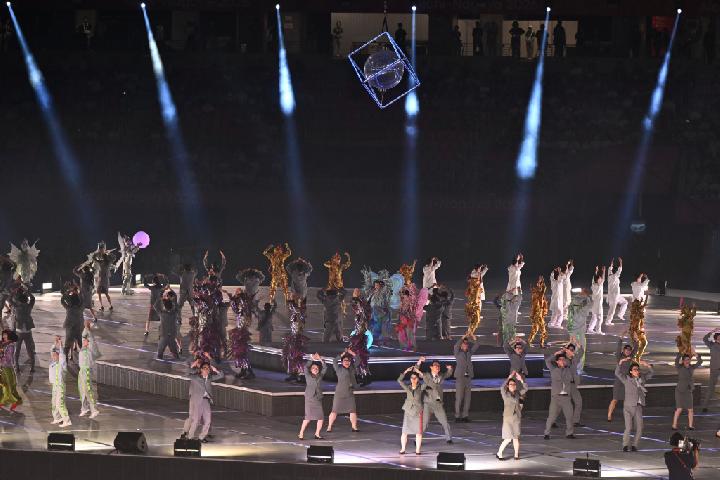
The 90-minute closing presentation celebrated athletes from across Asia while bringing down the curtain on the 20th edition of the Games. It also underscored the scale of participation and competitive depth seen throughout the event: 40 of the 45 National Olympic Committees represented won at least one medal.
“More than 350 records have been broken, including more than 50 world records. Forty of the 45 NOCs won medals. This is a record for our Asian Games,”
Olympic Council of Asia President Sheikh Joaan Bin Hamad Al Thani highlighted those figures during his address at the ceremony. For the organization, the result was more than a tally of medals and records; it reflected the wider reach of elite competition across the continent.
“Tonight, as we lower the flag of 2026 Aichi-Nagoya, we close these Asian Games, but at the same time raise the standard of Asian sport,”
Sheikh Joaan said the Games had featured athletes reaching new levels, contests decided in dramatic fashion, and younger competitors beginning to establish themselves on a major Asian stage. He also praised the determination and fair play shown by athletes who dealt with injuries and other obstacles during their pursuit of podium finishes.
A Celebration of Athletes and Memorable Moments
The closing ceremony looked back on the achievements that shaped the Games. Parkour performers wearing costumes inspired by cherry blossoms formed part of the program, while a video montage revisited standout moments from the multi-sport event.
Such a finale placed the focus on the athletes themselves: those who captured medals, those who broke records, and those whose performances helped create close contests across the program. The record total gave Aichi-Nagoya 2026 a defining place in the history of the Asian Games, while the broad distribution of medals demonstrated that success was shared across much of the participating field.
The Games will next move to Doha, Qatar, which is scheduled to host the 2030 edition. The handover offers the next host city a high benchmark after an event in which world, Asian, and other competition records fell repeatedly.
Indonesian Athletes Leave Their Mark
Indonesia produced several of its own historic performances in Aichi-Nagoya. Weightlifter Rahmat Erwin became a world record holder in the 75-kilogram category after posting a combined lift of 366 kilograms. His result added an Indonesian achievement to the list of world records established during the Games.
In sport climbing, Desak Made set a new Asian record in the women’s speed discipline. She completed her run in 6.062 seconds, delivering one of Indonesia’s most notable record-breaking performances of the competition.
Indonesia’s men’s badminton team also created a landmark result. By defeating China in the final, the team secured Asian Games gold for the first time in 28 years. The victory ended a long wait and gave the badminton program a significant team title at the continental event.
Archery provided another major milestone. Nurisa Dian Ashrifa won gold to become the first Indonesian athlete to claim an Asian Games title in the sport. Her achievement expanded Indonesia’s list of historic breakthroughs at Aichi-Nagoya.
These results illustrated how the Games offered opportunities for different sports to deliver defining moments. While badminton’s team gold carried the weight of a decades-long wait, the accomplishments in weightlifting, climbing, and archery showed Indonesian athletes making progress through individual record performances and first-time successes.
Medal Table Outcome
Indonesia finished 16th in the final medal standings with five gold medals, 11 silver medals, and 23 bronze medals, for a total of 39 medals. The final position reflected contributions across several disciplines, including the record-setting and history-making performances achieved during the event.
China topped the medal table with 169 gold medals, 89 silver medals, and 83 bronze medals. Host nation Japan placed second after winning 83 golds, 95 silvers, and 91 bronzes.
Beyond the leading teams, the fact that 40 National Olympic Committees reached the medal podium added another dimension to the event’s legacy. The 2026 Asian Games combined established sporting powers with a broad range of medal-winning delegations, while individual athletes continued to push performance standards upward.
As the stadium ceremony closed the Aichi-Nagoya chapter, the records and medal achievements remained the clearest measure of the event’s impact. More than 350 records were rewritten over the course of the Games, Indonesia secured several notable breakthroughs, and attention now turns to Doha 2030.
Related Reading
Frequently Asked Questions
What is Curtain Falls for 2026 Asian Games?
Curtain Falls for 2026 Asian Games is the main topic of this guide. The article explains the context, practical details, and next steps readers should understand.
Why does Curtain Falls for 2026 Asian Games matter?
Curtain Falls for 2026 Asian Games matters because readers are looking for a useful answer, not just a short summary. Good content should match search intent and help them decide what to do next.