East Kalimantan Sees Very Strong El Nino, BMKG Says
East Kalimantan is facing an unusually intense El Nino phase that may push back the arrival of seasonal rains and reduce the length of the coming wet period
Very Strong El Nino Raises Concerns Over East Kalimantan Rainy Season
Tempatdonasi.com – East Kalimantan is facing an unusually intense El Nino phase that may push back the arrival of seasonal rains and reduce the length of the coming wet period. The Meteorology, Climatology, and Geophysics Agency (BMKG) has recorded an El Nino index of 3.44 in the province, placing the event in the very strong category.
The reading was registered on September 3, 2026. The monthly index for East Kalimantan stood at 2.77, highlighting the continuing strength of the climate pattern as communities prepare for the 2026–2027 rainy season.
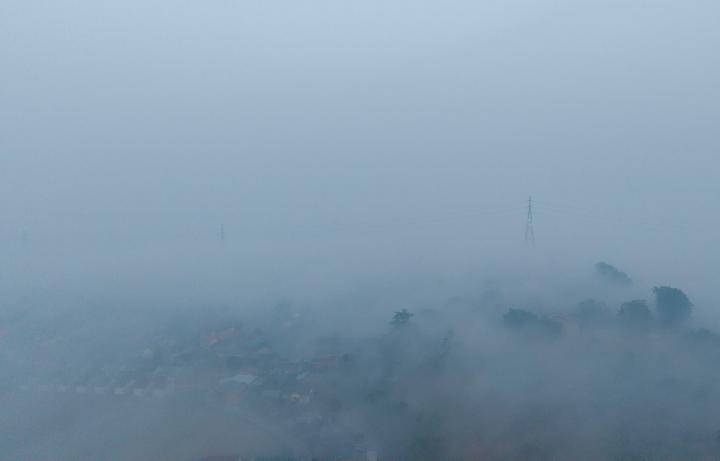
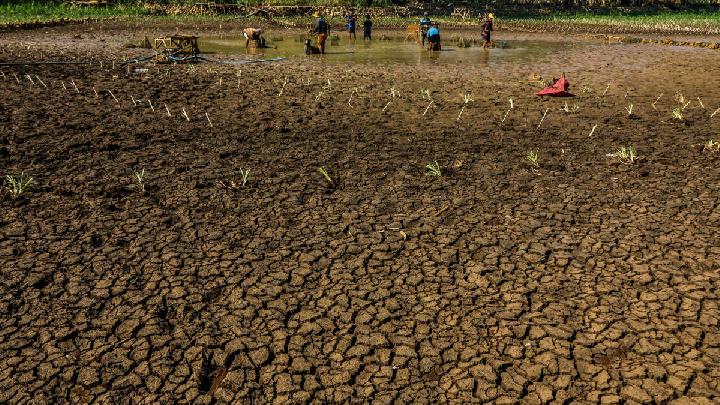
Djoko Sumardiono, head of the Sultan Aji Muhammad Sulaiman (SAMS) Sepinggan Balikpapan Meteorology Station, said the effects are already visible through a longer-than-usual dry period across the province.
“We can already feel the impact. The dry season in East Kalimantan has been prolonged. However, this does not mean El Nino is coming to an end soon,” said Djoko.
Rainfall May Arrive Later and Last for Less Time
Forecasts reviewed by 17 global institutions that track El Nino indicate that the phenomenon may remain active into 2027. Conditions are expected to return to normal sometime between May and July next year.
For East Kalimantan, the immediate concern is not necessarily the complete absence of rain. BMKG expects rainfall totals to remain broadly within normal levels, but the wet season itself could be compressed into a shorter timeframe. Some areas of the province may also see the beginning of the rainy season arrive later than usual.
A shorter rainy season can alter the rhythm of daily life and planning. Rain that falls over fewer months may create sharper shifts between dry and wet conditions, requiring residents, local governments, and businesses to pay closer attention to updated forecasts. Seasonal outlooks can help communities prepare for changes in water availability, travel conditions, and disaster risks.
Weather patterns during this transition are shaped in part by changing air-mass movements. The shift from the Australian monsoon toward the Asian monsoon affects local atmospheric conditions and helps determine when rain begins in different parts of East Kalimantan.
Farmers Urged to Match Planting Plans With the Season
Agriculture is among the sectors most directly affected by a delayed and shorter rainy season. Farmers may need to reconsider planting calendars and select crops that can perform within a limited three- to four-month rainy period.
“If the rainy season lasts only about three to four months, it is necessary to consider which types of crops are suitable for planting. Therefore, information regarding the start of the rainy season is crucial as a basis for planning,” Djoko said.
The timing of rainfall can be as important as the total amount received. Planting too early, before reliable rain arrives, can expose crops to dry conditions. Waiting too long can leave less time for growth before rainfall declines again. Seasonal information is therefore useful for decisions involving land preparation, planting schedules, irrigation needs, and crop selection.
Regular weather updates can also support planning beyond farms. Communities that depend on predictable conditions for transport, construction, outdoor work, or local services may benefit from monitoring forecasts as the seasons change.
Floods, Landslides, Tidal Flooding, and Strong Winds Remain Risks
Even with an extended dry season, the arrival of rain can bring serious hydrometeorological hazards. Heavy downpours in vulnerable locations may trigger flooding or flash floods. Areas with unstable slopes also need to remain alert to the possibility of landslides.
Coastal communities face an additional concern from tidal flooding. This type of flooding can affect low-lying coastal zones when sea conditions and tides combine in ways that allow water to move inland. Preparedness is important because the risk is not limited to inland rainfall.
The changeover from dry to wet conditions may also produce strong winds. Such weather can disrupt travel, damage vulnerable structures, and create hazards for residents who are outdoors or near trees, waterways, and coastal areas.
Djoko said disaster readiness should involve the Regional Disaster Management Agency, or BPBD, as well as other relevant institutions. Public communication will be important so residents understand the risks associated with changing weather conditions and know when to respond to official warnings.
Forecast Information Can Guide Local Decisions
The strong El Nino signal does not mean every part of East Kalimantan will experience identical conditions. Rainfall onset and weather impacts can vary from one area to another. That makes local and regularly updated information especially valuable during a season shaped by a large-scale climate event.
Residents and stakeholders are encouraged to use BMKG weather and climate forecasts when making plans. Notices concerning the start of the rainy season, the dry season, heavy rainfall, wind, and other changing conditions can help people make more informed choices.
“Information issued by the BMKG, particularly regarding the onset of the rainy and dry seasons, requires our collective attention for planning and decision-making across various sectors,” Djoko said.
As East Kalimantan moves toward its next rainy season, preparation will be essential. Farmers may need to adapt planting strategies, disaster-response agencies may need to strengthen early action, and the public may need to stay attentive to rapidly changing conditions. The current El Nino intensity underscores the importance of treating seasonal forecasts as practical tools for planning rather than distant climate information.
Related Reading
Frequently Asked Questions
What is East Kalimantan Sees Very Strong El Nino?
East Kalimantan Sees Very Strong El Nino is the main topic of this guide. The article explains the context, practical details, and next steps readers should understand.
Why does East Kalimantan Sees Very Strong El Nino matter?
East Kalimantan Sees Very Strong El Nino matters because readers are looking for a useful answer, not just a short summary. Good content should match search intent and help them decide what to do next.