Ebola: Why Children Are Last to Be Treated in Medical Crises
Ebola - The Democratic Republic of Congo has endured one of the deadliest Ebola epidemics in recent memory. Since the first cases surfaced in mid-May, the
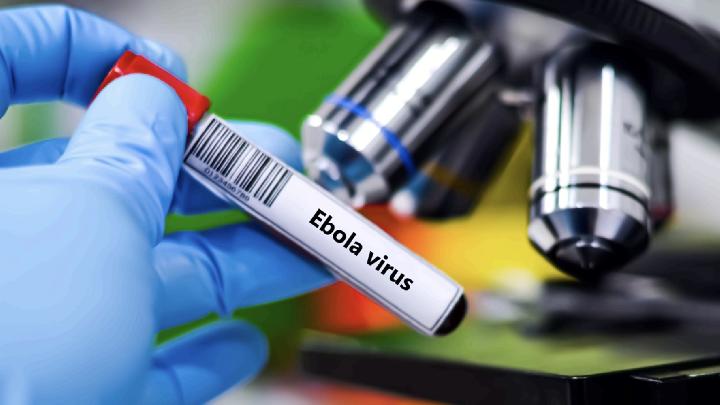
Pediatric Ebola Treatment: A Critical Gap in the Fight Against the DRC Outbreak
Tempatdonasi.com – Ebola – The Democratic Republic of Congo has endured one of the deadliest Ebola epidemics in recent memory. Since the first cases surfaced in mid-May, the toll has surpassed 3,000 fatalities, with roughly half of all confirmed infections proving fatal. Yet within those grim statistics sits a subgroup facing even steeper odds: children under five, whose case-fatality rate climbs past 60 percent according to analysis published in The Lancet by Doctors Without Borders. The elevated lethality among the youngest patients stems not solely from the virus’s virulence but from a persistent shortfall in pediatric-specific medications, dosing data, and clinical protocols.
Why Young Children Face Disproportionate Danger
Neal Russell, a London-based pediatrician who advises Doctors Without Borders and served as lead author of the Lancet commentary, explains that toddlers and preschoolers occupy a uniquely vulnerable position during an outbreak. Their immune systems remain immature, pre-existing health conditions may compound the infection, and the practical realities of treating a small, frightened patient in a resource-strained Ebola unit add layers of difficulty absent in adult care. Early symptoms in children frequently mimic common childhood illnesses, making prompt diagnosis harder. Young patients also struggle to articulate what they feel, delaying clinical decisions. Furthermore, parents and caregivers are often barred from accompanying children inside treatment centers, depriving them of the emotional anchor that supports recovery. Continuous monitoring by specially trained staff becomes essential for the youngest Ebola patients.
“Children must be centered in Ebola treatment and prevention research,” the aid organization wrote in early September.
The EBO-PEP Trial and the Exclusion of Small Children
At the center of the current debate is the EBO-PEP study, launched in mid-July to evaluate obeldesivir, an experimental antiviral aimed at protecting contacts exposed to the Bundibugyo strain — the specific variant driving the present Congolese epidemic. The original enrollment criteria, however, left out children weighing under 30 kilograms, roughly those aged twelve and younger. Revised protocols now contemplate adding children above 20 kilograms, but the youngest cohort — approximately six years old or younger, below the 20-kilogram threshold — remains outside the trial’s scope.
For that excluded group, clinicians turn to remdesivir, another antiviral delivered intravenously over a ten-day infusion course. Doctors Without Borders has cautioned that administering such a prolonged intravenous regimen during an active outbreak, particularly to very young children, presents formidable logistical and clinical obstacles.
A Berlin Family and the MBP134 Experiment
In May, a separate episode in Germany offered a small but instructive data point. An American physician who had been caring for Ebola patients in the Congo contracted the Bundibugyo strain and was admitted to Charité hospital in Berlin. His spouse and their four children, all close contacts, were judged at elevated risk. The treating team opted for prophylactic administration of MBP134, an experimental monoclonal antibody, to the entire family.
Han Ngoc Le, a physician at the hospital involved in the case, noted that the available pediatric safety data for the antibody were extremely limited at the time of treatment. Nevertheless, the children’s exposure risk after sustained close contact with their ill father made the intervention defensible.
“Of course, a careful risk benefit assessment had to be carried out,” Le said.
All family members remained healthy, and no apparent adverse effects were observed. Whether the antibody actually prevented infection in the children cannot be confirmed from a single household. The sample size is far too small to extrapolate population-level conclusions. Still, the tolerability signal carried weight.
“The mere fact that the antibody was so well tolerated even in 1-year-olds and children under 12 is a valuable finding upon which future studies can build,” Le said.
Pharmacology: Children Are Not Small Adults
The reason such knowledge gaps persist is rooted in basic physiology. Children metabolize drugs at different rates, exhibit distinct pharmacokinetic profiles, and respond to medications in ways that do not scale linearly from adult data. The same cautions extend to pregnant women. Consequently, adult dosages cannot simply be reduced and handed to a child. Every new agent demands dedicated pediatric studies to establish safe and effective doses, and in some cases entirely different formulations — for instance, flavored syrups in place of large tablets that a toddler cannot swallow.
Marc Biot, access coordinator for Europe at Doctors Without Borders, who works to ensure that people in need obtain affordable, high-quality medical products, points out that each of these additional research steps and formulation developments carries a financial cost.
“All of this creates extra costs,” Biot said.
Those costs, borne by research institutions and pharmaceutical companies, help explain why pediatric-specific Ebola therapeutics have lagged behind adult-oriented interventions. Until dedicated trials close the dosing and safety gaps for children under six, clinicians in outbreak settings will continue to navigate a landscape where the youngest patients receive the least evidence-based care precisely when they need it most.
Related Reading
Frequently Asked Questions
What is Ebola?
Ebola is the main topic of this guide. The article explains the context, practical details, and next steps readers should understand.
Why does Ebola matter?
Ebola matters because readers are looking for a useful answer, not just a short summary. Good content should match search intent and help them decide what to do next.