
Forest Fires: Indonesia Deploys 64 Aircraft, 54,000 Crews
Indonesia has intensified its nationwide response to forest and land fires, sending dozens of aircraft and more than 54,000 personnel into affected areas as
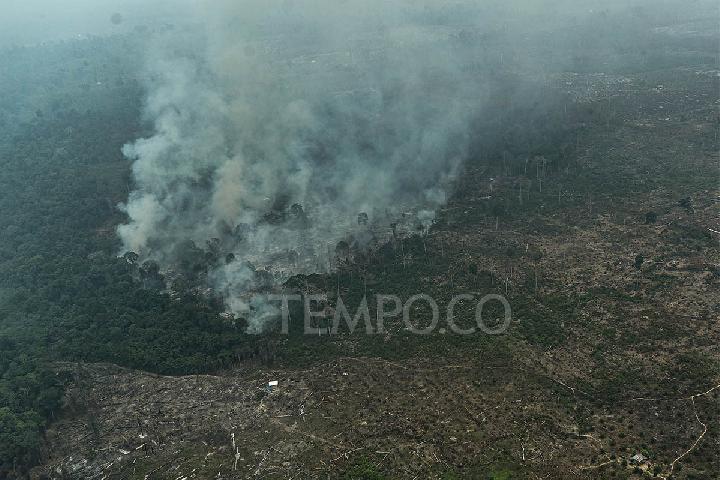
Indonesia Expands Air and Ground Response to Contain Forest and Land Fires
Tempatdonasi.com – Indonesia has intensified its nationwide response to forest and land fires, sending dozens of aircraft and more than 54,000 personnel into affected areas as fire hotspots rise sharply across several regions.
Cabinet Secretary Teddy Indra Wijaya said the government has committed extensive resources to suppress active fires, limit the spread of smoke, and protect people living near vulnerable landscapes. Since August, the operation has involved 64 aircraft and 54,394 joint personnel working across the country.
“From the air to the ground, all resources are constantly mobilized. Everything is being done to extinguish the fires, reduce the impact of the smoke, and most importantly, protect the public from the threat of forest and land fires,” Teddy said in an official statement cited in Jakarta on Sunday, September 20, 2026.
The scale of the deployment reflects the difficulty of fighting fires in Indonesia’s vast territory, particularly in peatland areas. Fires in peat can be especially challenging because flames may persist beneath the surface, making conventional firefighting efforts more complex and requiring sustained monitoring after visible smoke or flames have diminished.
Aircraft Conduct Continuous Water-Bombing Missions
The aerial operation includes 55 aircraft operated through the National Disaster Management Agency, or BNPB, along with nine aircraft provided by the Indonesian National Armed Forces, known as the TNI. These aircraft are assigned to water-bombing missions aimed at reaching fire zones that may be difficult for ground crews to access quickly.
Aerial firefighting can help reduce the intensity of fires and support crews working below, but it is only one element of a broader containment strategy. Ground personnel are needed to reach hotspots, establish fire control lines, monitor conditions, and prevent flames from moving into nearby forests, plantations, settlements, or other populated areas.
“Since August, 64 aircraft have been deployed for water bombing, supported by 54,394 joint personnel who continue to operate in the field, reaching fire hotspots and preventing the fires from spreading,” he added.
Teddy said the combined air and land campaign is intended not only to put out existing fires but also to reduce risks to local communities from haze, degraded air quality, and environmental damage. The government continues to face difficult conditions in areas where access is limited and peat soils complicate suppression efforts.
“The vast area and difficult peatland conditions pose challenges in managing forest and land fires in various regions of Indonesia. However, extinguishing efforts continue relentlessly, both through ground and air operations,” Teddy explained.
Thousands of Personnel Assigned Across Six Areas
The field force brings together members of the TNI, National Police, Ministry of Forestry, BNPB, Regional Disaster Management Agencies, Manggala Agni firefighting teams, volunteers, and local residents. This multi-agency structure allows operations to be distributed across provinces experiencing elevated fire activity.
West Kalimantan has received the largest personnel allocation, with 14,759 people assigned to firefighting and prevention work. Riau and the Riau Islands follow with 14,382 personnel, while South Sumatra has deployed 11,026 people.
Other major deployments include 5,984 personnel in Jambi, 4,686 in Central Kalimantan, and 3,557 in South Kalimantan. These areas are central to the current response because of their fire exposure, land conditions, and the need to keep hotspots from expanding into wider burn areas.
The presence of national agencies, regional authorities, and community-based teams is important because wildfire response often depends on rapid local action. Crews closest to affected sites can identify changing conditions, direct equipment, and report whether fires are moving toward inhabited areas or becoming more difficult to control.
Hotspot Count Rises Nationwide
Satellite monitoring through the Ministry of Forestry’s SiPongi system identified 1,323 high-confidence hotspots across Indonesia by 11:59 p.m. Western Indonesian Time on Saturday, September 19. The monitoring system uses data from NASA’s Terra and Aqua satellites, as well as SNPP and NOAA-20 satellite platforms.
The total marked a substantial increase from the previous day, when 546 high-confidence hotspots were recorded. The rise of 777 hotspots underscores the urgency of the current response and the need for continued surveillance alongside active firefighting.
A hotspot does not automatically describe the full size or severity of a fire, but it is an important warning signal for authorities. Satellite detections can help officials identify locations where heat is present, prioritize inspections, and direct aircraft or ground teams toward areas that may require immediate attention.
For communities in fire-prone provinces, the response focuses on more than extinguishing visible flames. Containing fires quickly can help reduce the possibility of smoke affecting daily life, transportation, public health, and local economic activity. It can also reduce the risk that a contained incident grows into a wider regional emergency.
Indonesia’s current operation is therefore centered on a sustained combination of water bombing, field deployment, hotspot tracking, and local coordination. With fire conditions changing rapidly across wide and difficult terrain, authorities are relying on continuous action from both the air and the ground to limit the damage and safeguard residents.
Related Reading
Frequently Asked Questions
What is Forest Fires?
Forest Fires is the main topic of this guide. The article explains the context, practical details, and next steps readers should understand.
Why does Forest Fires matter?
Forest Fires matters because readers are looking for a useful answer, not just a short summary. Good content should match search intent and help them decide what to do next.