How Jakarta Plans to End Open Dumping in Bantargebang
Jakarta's Strategic Vision to Transform Waste Management at Bantargebang How Jakarta Plans to End Open - The capital city of Indonesia is embarking on a
Jakarta’s Strategic Vision to Transform Waste Management at Bantargebang
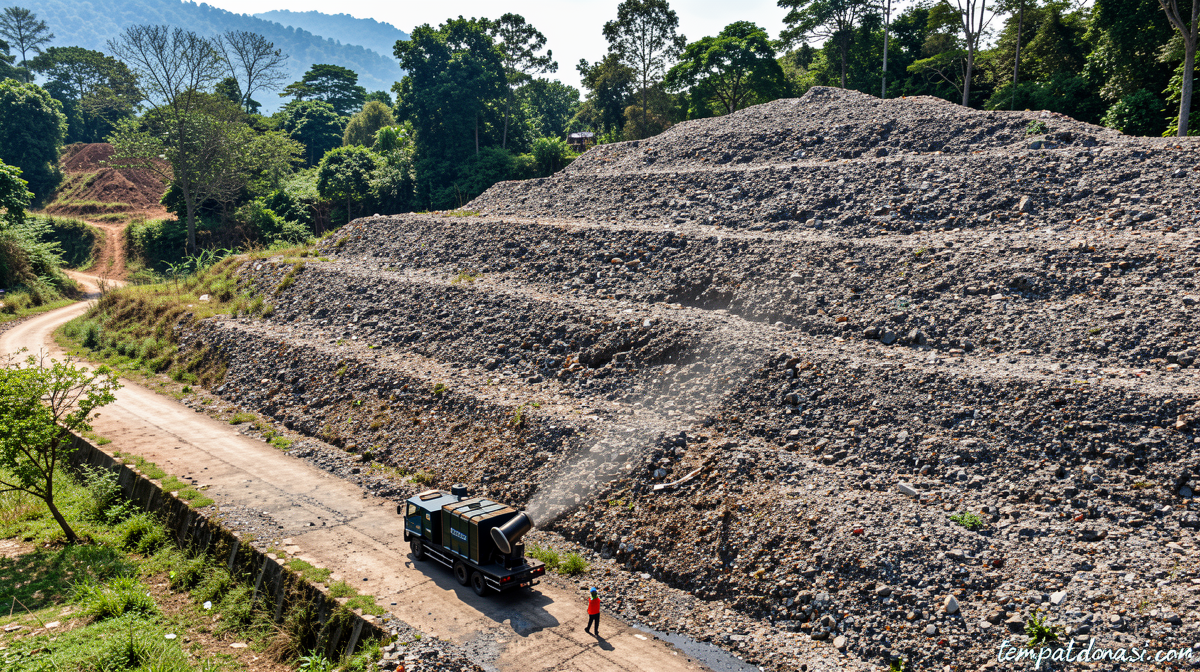
Tempatdonasi.com – The capital city of Indonesia is embarking on a comprehensive transformation of its waste management infrastructure, with particular focus on the Bantargebang Integrated Waste Treatment Plant. This ambitious initiative aims to completely eliminate the practice of open dumping, which has long been the dominant method of waste disposal in the region. The Jakarta Provincial Government has announced that a controlled landfill system will commence operations beginning on August 1, 2026, marking a significant milestone in the city’s environmental management strategy.
A Phased Approach to Modernization
According to Dudi Gardesi, who serves as the Head of the Jakarta Environmental Agency, the transition will not occur overnight. Instead, authorities are implementing a gradual, phased approach designed to prevent any disruption to the continuous flow of waste transportation and disposal services throughout the metropolitan area.
Starting August 1, we will begin a gradual transition from open dumping practices to controlled landfill management. The government is responsible for ensuring this change runs smoothly.
This methodical strategy reflects the complexity of managing waste for a city with millions of residents. By introducing changes incrementally, officials can monitor the effectiveness of the new system and make adjustments as needed before full implementation.
Understanding the Controlled Landfill System
The controlled landfill methodology represents a substantial improvement over traditional open dumping. Under this system, refuse is first buried in designated areas before being leveled and compacted to maximize space efficiency. Following this initial layering process, specialized materials are applied periodically to cover the waste. This covering serves multiple critical functions: it mitigates unpleasant odors that affect nearby communities, reduces the risk of fires breaking out within the landfill, minimizes broader environmental impacts, and decreases the likelihood of landslides occurring at the site.
This approach is not merely a technical upgrade but represents a fundamental shift in how Jakarta conceptualizes waste management. Rather than simply disposing of trash in open areas, the city is creating a structured, monitored system that addresses environmental concerns at every stage of the process.
The Jakarta 100 Percent Managed Waste Management Roadmap
The controlled landfill initiative forms a crucial component of the broader Jakarta 100 Percent Managed Waste Management Roadmap, a comprehensive plan developed through collaboration between the provincial government and the Ministry of Environment. This roadmap outlines a clear trajectory for waste management improvement over several years, with specific targets for each phase of implementation.
While the controlled landfill system is being introduced, the Jakarta Provincial Government is simultaneously expanding the capacity of waste processing facilities. These facilities exist both within the city limits and at the Bantargebang site itself. The dual strategy ensures that a greater proportion of waste is processed through various methods before being buried, reducing the overall volume of material requiring landfill space.
Statistical Projections and Targets
The roadmap includes detailed statistical projections that illustrate the expected progression of waste management practices. Data from the second quarter of 2026 reveals that open dumping still accounted for a substantial 72.56 percent of waste management activities at Bantargebang. In contrast, waste processed through specialized facilities represented only 7.59 percent of total operations.
Looking ahead to the third and fourth quarters of 2026, officials project significant improvements. The share of open dumping is expected to decline to 50.34 percent, while controlled landfill deployment should reach 8.39 percent. Simultaneously, waste processing across various facilities is anticipated to increase to 20.28 percent, demonstrating the effectiveness of the expanded processing capacity.
By 2027, the target is to process 45.65 percent of all waste. Furthermore, by 2028, the practice of open dumping is slated for discontinuation, to be replaced by waste processing and a safer, more controlled landfill system.
Building a Sustainable Future
City officials remain optimistic that the success of this transformation depends on strong collaboration between government administration and the general public. This collective effort extends beyond merely eliminating open dumping; it encompasses the construction of a modern, secure, responsible, and sustainable waste management infrastructure that will serve Jakarta for generations to come.
The comprehensive nature of this initiative reflects a growing recognition that effective waste management is essential for urban sustainability. By combining technological improvements with community engagement, Jakarta aims to set an example for other rapidly growing cities facing similar environmental challenges.