
Indonesia Halts Free Meals for Toddlers, Breastfeeding Mothers, and Pregnant Women During School Breaks
Policy Shift Targets Resource Optimization
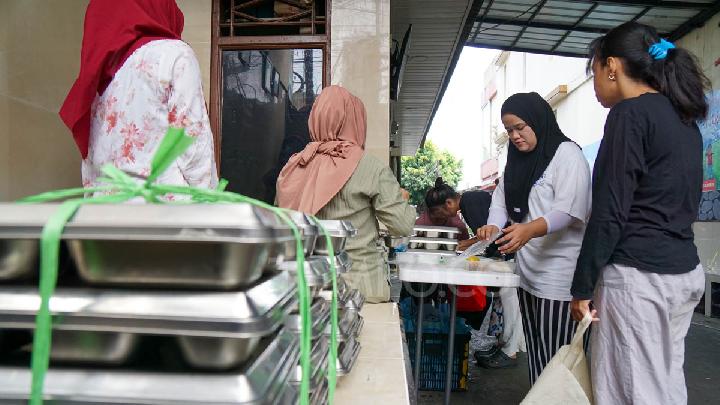
Indonesia Halts Free Meals for Toddlers – Indonesia’s National Nutrition Agency (BGN) has announced a revised approach to distributing free nutritious meals (MBG) for toddlers, breastfeeding mothers, and pregnant women, effective during school holidays. According to BGN Circular Letter No. 12 of 2026, the agency will no longer provide these meals to the 3B group—toddlers, breastfeeding mothers, and pregnant women—during periods when schools are closed. This change applies to all holidays, including national, religious, and local optional days, as well as weekends.
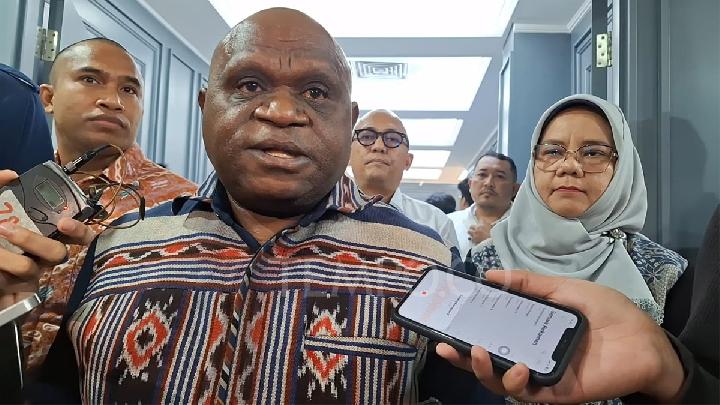
Agustina Arumsari, the BGN’s deputy head and spokesperson, clarified the decision during a press briefing on June 18. She stated,
“Yes, for the 3B group (breastfeeding mothers, pregnant women, and toddlers), the calculation applies to both students and non-students.”
The 3B group is categorized as non-student beneficiaries, meaning their meal distribution is separate from the standard school meal program. Arumsari emphasized that the policy aims to streamline operations and ensure more efficient use of resources, which she described as a key priority for the agency.
Rationale Behind the Change
The new directive comes as the Ministry of Education has declared a school break from June 22 to July 13, 2026, which coincides with the period when MBG distribution was previously paused. Arumsari noted that this timing aligns with the agency’s goal to reduce redundancy in meal programs during non-operational school days. “Coincidentally, a school break has been announced by the Ministry of Education,” she added, highlighting the strategic overlap between the two decisions.
Under the previous system, free meals were provided to the 3B group during school closures to maintain consistency in nutritional support. However, the BGN now argues that this approach led to inefficiencies, particularly when the school break extended beyond regular holidays. Arumsari explained that the revised policy simplifies the process by eliminating the need for separate meal allocations during these times. “We will not distribute MBG during holidays to standardize operational management and resource efficiency,” she said, underscoring the agency’s focus on fiscal responsibility.
Impact on Nutrition Programs and Partners
One of the most significant adjustments under the new policy is the removal of the daily Rp6 million incentive for nutrition fulfillment service units (SPPGs). This financial support, which was previously allocated to ensure continued meal distribution, will no longer be provided during school breaks. Arumsari acknowledged the challenge this poses for SPPGs, which have relied on these funds to sustain operations outside of regular school days.
“The previous bundling scheme for free meal distribution during school breaks will no longer be implemented,” Arumsari confirmed. She added that the same applies to holidays such as Ramadan, where the 3B group’s meals were previously included in the program. The agency’s spokesperson emphasized that this change is necessary to align with broader operational goals, even if it may cause short-term disruptions for partners and beneficiaries.
Despite the practical benefits, Arumsari admitted that the decision could face criticism from stakeholders, including SPPG partners and community advocates. “This may be greater than the interests of certain partners,” she noted, explaining that the policy balances the needs of the program with the expectations of those involved. The agency has also highlighted that it continues to operate on non-holiday days, ensuring that services remain consistent for those who rely on them regularly.
Broader Implications for Nutrition Support
The suspension of MBG distribution during school breaks marks a shift in how the BGN manages its nutrition programs. By focusing on operational efficiency, the agency aims to address logistical challenges and reduce financial strain on its resources. Arumsari described the change as a necessary step to optimize management, particularly in light of fluctuating demand during holidays.
Previously, the program required additional coordination to ensure that meals were available to the 3B group when schools were closed. This involved temporary adjustments to funding and distribution networks, which the BGN now believes can be simplified. The agency has also introduced a new framework for calculating meal allocations, which integrates the needs of students and non-students more effectively. “The calculation applies to both students and non-students,” Arumsari reiterated, emphasizing the policy’s unified approach.
While the decision prioritizes efficiency, it also raises questions about the accessibility of nutrition support during critical periods. For example, the school break coincides with Ramadan, a time when many households may struggle to afford meals for vulnerable groups. Critics argue that removing MBG during such periods could exacerbate existing challenges, particularly in low-income areas where these meals are a lifeline. However, the BGN maintains that the policy ensures sustainability and allows for better planning during school closures.
Stakeholder Reactions and Future Adjustments
Arumsari expressed awareness of the potential concerns raised by stakeholders, including SPPG partners and local governments. “We are operational on other days, so it feels fair; not operational, no service, no pay,” she said, attempting to justify the policy. While some partners may view the change as a setback, the BGN has committed to reviewing the program’s effectiveness regularly. The agency plans to assess the impact of the new policy on both beneficiaries and service providers, with the goal of making adjustments as needed.
The policy change also reflects a broader trend in Indonesia’s approach to public health programs. By integrating resource management with operational timelines, the BGN seeks to create a more resilient system that can adapt to changing conditions. This shift is expected to streamline administrative processes and reduce the risk of financial overruns, which have been a recurring issue in the past. However, the success of the new approach will depend on how well it balances efficiency with the needs of the 3B group.
In addition to the immediate changes, the BGN has outlined a roadmap for future adjustments. If feedback from stakeholders indicates that the policy is not meeting its goals, the agency is prepared to revisit the decision. Arumsari highlighted the importance of collaboration, stating that the policy was developed with input from various departments to ensure it aligns with national priorities. “The new circular is a result of collective efforts to improve the program,” she said, framing the decision as a forward-looking strategy.
Context and Background
The 3B group has long been a focus of Indonesia’s nutrition initiatives, with MBG programs designed to address food insecurity among these populations. Prior to the 2026 circular, free meals were distributed during school breaks to maintain support for the group, even when schools were not in session. This practice was part of a larger effort to ensure that nutritional aid remained accessible regardless of the school calendar.
However, the BGN has identified inefficiencies in this model, particularly during extended holidays. The agency argues that providing meals only on school days reduces administrative overhead and allows for more targeted distribution. By aligning MBG provision with operational hours, the BGN believes it can better manage resources and maintain the quality of its services. Arumsari also mentioned that the new policy is part of a broader initiative to modernize the agency’s approach to nutrition programs.
While the decision may be controversial, the BGN remains confident in its implementation. “We have considered all factors before making this change,” Arumsari said, reiterating the agency’s commitment to its goals. The suspension of free meals during school breaks is expected to take effect in the coming months, with the first major test occurring during the June 22–July 13, 2026, school break. The agency will monitor the situation closely and make updates as necessary.
As the policy takes shape, the BGN is also working to communicate its benefits to the public. Through media outreach and community engagement, the agency aims to address concerns and explain how the new framework supports both beneficiaries and partners. “This is not a permanent decision, but a step toward a more sustainable system,” Arumsari concluded, signaling the potential for future revisions to the program.
With the implementation of the 2026 circular, Indonesia’s nutrition support system is undergoing a transformation. The suspension of MBG during school breaks represents a key adjustment in how the country addresses food insecurity, balancing the needs of different groups with operational efficiency. As the policy rolls out, its long-term impact on public health and stakeholder satisfaction will be closely watched, particularly in regions where the 3B group relies heavily on these meals for daily sustenance.