
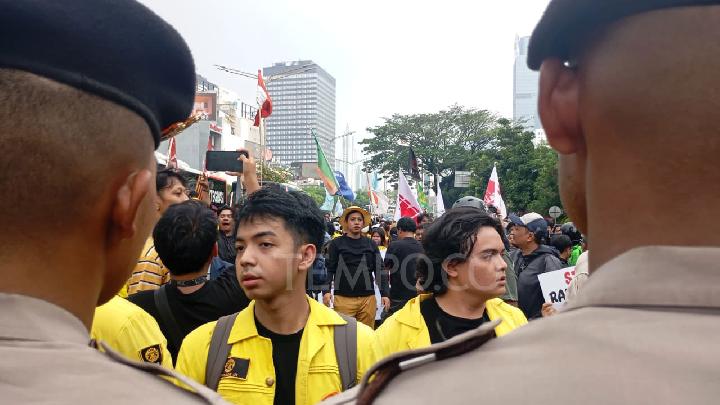
UI Students Confront Police Obstruction at Central Jakarta Protest Site
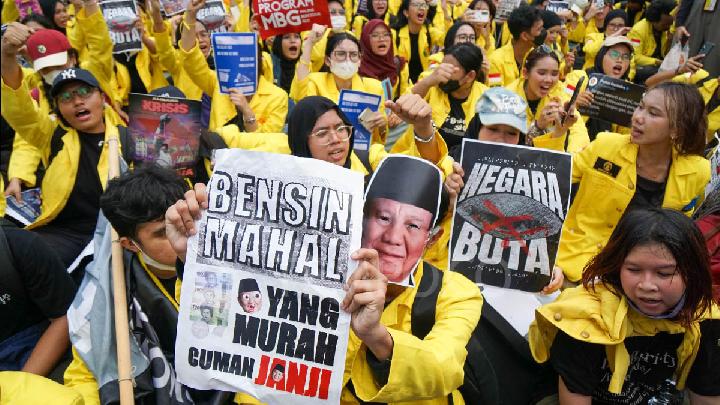
UI Student – On Friday, June 12, 2026, a significant number of students from the University of Indonesia (UI) faced challenges from law enforcement while attempting to reach the Hotel Indonesia (HI) Roundabout, a central hub for demonstrations in Jakarta. The protest, organized under the banner #IndonesiaMenujuBangkrut, aimed to address pressing concerns about economic instability and government policies. However, the route to the HI Roundabout was blocked by police, forcing the students to detour and disrupting their planned gathering.
Protest Route Blocked Near Semanggi
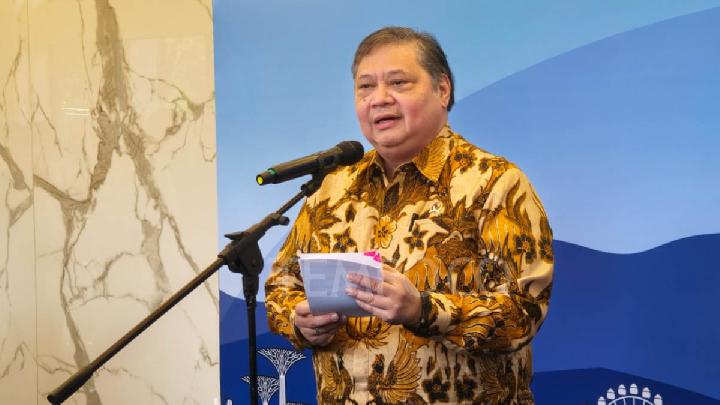
According to Anandaku Dimas Rumi, head of the Student Executive Board (BEM) for the UI Faculty of Law, the students traveling from Depok were halted near the Semanggi area before they could proceed onto Jalan Sudirman. “Our intended path was to turn left toward Sudirman Street, which leads directly to the HI Roundabout, but the road was closed without warning,” Dimas explained. He emphasized that the students had provided prior notice of their demonstration to the authorities, yet no clear justification was given for the obstruction.
“We asked the police to clear the way, but they only responded with laughter,” Dimas stated, highlighting the lack of communication and the perceived dismissiveness of the officers. This incident not only delayed the protest but also raised questions about the transparency of the police’s actions.
The roadblocks had a ripple effect, affecting students’ ability to access nearby mosques for Friday prayers. Dimas noted that some had to navigate from the DPR building complex to the TVRI office area, adding an extra layer of difficulty to their daily routines. Despite these challenges, the group remained determined to reach the HI Roundabout, which has long been a symbol of civic engagement in the city. “We are committed to our right to peaceful assembly and hope the police will grant us access,” he said, urging authorities to reconsider their stance.
Protest Demands Include Economic and Political Reforms
Earlier in the week, Yatalathof Ma’shum Imawan, chair of the UI Student Executive Board, outlined the key objectives of the demonstration. The protest, set to take place at the HI Roundabout, would feature a coalition of student groups from various universities, including the Bogor Agricultural University (IPB), Jakarta State Polytechnic (PNJ), Pancasila University, and the Gunadarma Student Executive Board Alliance. The movement is united in its call for systemic changes to address the country’s growing economic and political crises.
“Protesters are demanding that the government reduce wasteful spending, lower the costs of essential goods and fuel, and halt the Free Nutritious Meals (MBG) program as well as the expansion of Red and White Village Cooperatives,” Yatalathof said. He also highlighted the need to curb the increasing militarization of civilian affairs and for President Prabowo Subianto to acknowledge his administration’s failures in policy execution.
These demands reflect broader concerns about inflation, public welfare, and the role of the military in governance. The MBG program, which provides subsidized meals to students, has been a point of contention, with critics arguing it places undue financial pressure on the state. Similarly, the development of Red and White Village Cooperatives has sparked debates about land use and resource allocation. The protesters are also advocating for a shift in the balance of power between civilian institutions and the armed forces, a issue they believe has intensified in recent years.
Yatalathof’s speech at the university campus underscored the urgency of the situation, as students mobilized under the slogan “Indonesia Heading Toward Bankruptcy.” This phrase, he said, encapsulates the growing discontent over rising living costs and a perceived lack of accountability from policymakers. “The government must act decisively to prevent further economic decline,” he added, stressing the importance of public participation in shaping national direction.
Students Continue Efforts Amid Delays
Despite the initial setbacks, the UI students have not abandoned their plans. They are exploring alternative routes to bypass the police blockades and ensure their presence at the HI Roundabout. Dimas expressed hope that the authorities would recognize the legitimacy of their protest and allow the demonstration to proceed without additional disruptions. “The HI Roundabout is a key location for expressing our views, and we believe the police should support this right,” he said.
The protest is expected to draw a large crowd, given the widespread support from student organizations across Jakarta. Participants are preparing to raise their voices against the current economic trajectory and call for immediate reforms. The event has also sparked discussions on the role of student activism in influencing political decisions, with many viewing it as a vital platform for dissent and debate.
Meanwhile, the incident has raised eyebrows among civil society groups. Some critics argue that the police’s response was overly aggressive and inconsistent with the principles of free assembly. “Blocking the route without prior warning suggests a lack of coordination between the organizers and the authorities,” said one observer, adding that the students’ efforts to communicate with the police were met with indifference. This has led to calls for greater transparency and dialogue in managing public demonstrations.
Broader Implications for Jakarta’s Protest Culture
The HI Roundabout has historically been a focal point for mass gatherings, making its closure particularly symbolic. For years, it has served as a stage for student movements, social justice campaigns, and political rallies. The recent blockage by police has reignited debates about the balance between security and civil liberties, with some fearing that the government is increasingly prioritizing control over public expression.
Dimas pointed out that the students’ ability to gather at the HI Roundabout is crucial for their message to be heard. “This location is not just a physical space; it represents the right of citizens to voice their concerns,” he said. The police’s actions have been seen by some as an attempt to preemptively suppress the protest, creating a sense of urgency among the participants. As the demonstration approaches, tensions are expected to rise, with both the students and law enforcement prepared for a potential standoff.
Amid the preparations, the students are also focusing on educating the public about their demands. They plan to distribute flyers and use social media to amplify their cause, targeting a wider audience beyond the university community. “We want to ensure that people understand the gravity of the situation and the need for change,” Dimas said. The protest is anticipated to become a defining moment in Jakarta’s ongoing struggle for democratic expression and accountability.
As the event nears, the involvement of multiple student groups underscores its significance. The collaboration between IPB, PNJ, Pancasila University, and Gunadarma’s Student Executive Board Alliance highlights a unified front against what they perceive as unsustainable economic policies. With the HI Roundabout as their destination, the students are determined to make their voices heard, even in the face of obstacles.
In a related development, Tempo.CO reported on the challenges students encountered while traveling to the protest. The article, which highlights the incident, has generated further interest in the dynamics between law enforcement and student activism. Readers are encouraged to stay updated on the latest news via Tempo’s Google News platform for real-time coverage of the unfolding events.
As the demonstration approaches, the situation remains fluid. While the police have taken steps to block the route, the students’ resilience and organizational efforts suggest they will find ways to assert their presence. This incident is not just about the HI Roundabout—it is a test of the government’s commitment to open dialogue and the right to protest, setting the stage for a larger conversation about Indonesia’s future.