
Indonesia Revises Tax Debt Payment Scheme
Indonesia has introduced a revised approach to settling tax arrears that allows taxpayers to direct payments toward their principal tax debt before addressing
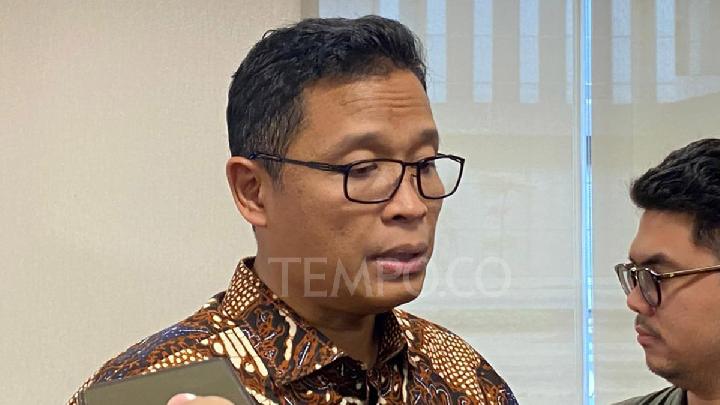
Indonesia Allows Taxpayers to Prioritize Principal Tax Debt Payments
Tempatdonasi.com – Indonesia has introduced a revised approach to settling tax arrears that allows taxpayers to direct payments toward their principal tax debt before addressing administrative sanctions. The change is contained in Minister of Finance Regulation Number 71 of 2026, known as PMK 71/2026, which took effect on October 2, 2026.
The new framework replaces an earlier proportional-payment arrangement. Under the previous method, a taxpayer’s payment was distributed between the outstanding principal amount and administrative sanctions. The revised mechanism gives taxpayers an option to clear the core tax obligation first, while administrative sanctions may be addressed separately through facilities available under existing rules.
The measure is intended to make the settlement of tax liabilities more orderly while preserving the government’s authority to collect outstanding principal taxes. It also gives taxpayers a clearer path for managing arrears, particularly where penalties and other administrative charges have accumulated alongside the original debt.
Principal Obligations Remain Due
Director General of Taxes Bimo Wijayanto said the policy enables taxpayers to focus on their main tax obligation and, where eligible, seek a reduction or removal of administrative sanctions through the mechanisms already provided by regulation.
“This provides taxpayers the opportunity to fulfill their principal obligations while also taking advantage of facilities for reduction or elimination of administrative sanctions in accordance with applicable regulations,” said the Director General of Taxes, Bimo Wijayanto, in a written statement on Monday, October 12, 2026.
The revised payment order does not erase tax debt. PMK 71/2026 is not a tax amnesty, and taxpayers remain responsible for paying the principal amount they owe. Any facility concerning administrative sanctions is subject to applicable requirements and conditions.
This distinction is important for businesses and individuals with unresolved tax obligations. The regulation changes how payments can be allocated, but it does not create a blanket waiver for outstanding liabilities. The principal tax debt continues to be the central obligation, while relief related to administrative sanctions remains governed by the relevant provisions.
Changes Beyond the Payment Mechanism
PMK 71/2026 does more than alter the handling of tax debt payments. It also improves the timetable for submitting responses to objections involving tax research results. The regulation further clarifies rules concerning requests to reduce or eliminate administrative sanctions.
These adjustments are designed to provide greater certainty in the administrative process. Taxpayers involved in a dispute or review process need to understand the deadlines that apply to their responses, as missed procedural steps can affect how a case progresses. Clearer timing rules may help both taxpayers and tax administrators manage objections more consistently.
The regulation also draws a firm boundary around the types of sanctions that may qualify for relief. Administrative sanctions arising from objections, appeals, or reviews cannot be reduced or eliminated through the mechanisms set out in these provisions. This means that the availability of sanction relief depends on both the nature of the sanction and the legal process from which it resulted.
For taxpayers, the practical implication is that each outstanding obligation should be reviewed carefully. A payment arrangement involving principal debt may be available, but that does not automatically mean every related administrative charge can be reduced or removed. The applicable conditions must be met, and sanctions connected to objections, appeals, or reviews are specifically excluded from relief under the revised rules.
Supporting Compliance and Business Continuity
Bimo said the government expects the policy to support a more disciplined resolution of tax obligations while maintaining fairness for taxpayers that have already met their responsibilities. The approach is also expected to help speed up the settlement of unpaid principal tax debt.
“This policy is expected to encourage more orderly tax obligations resolution while also upholding fairness for taxpayers who have complied with their obligations,” he said.
From a fiscal standpoint, faster settlement of principal arrears could strengthen the administration of tax collection. The government’s focus is not limited to recovering unpaid amounts; it also seeks to encourage voluntary compliance by making the path toward resolving liabilities more understandable.
The revised arrangement may be particularly relevant to micro, small, and medium-sized enterprises. For smaller businesses, separating the payment of principal tax debt from the treatment of administrative sanctions may offer more room to preserve cash flow while meeting core obligations. The policy is expected to help MSMEs sustain their operations and support the continuation and growth of their businesses.
That does not remove the need for taxpayers to assess their own positions carefully. Businesses and individuals with tax arrears should identify the principal debt, determine whether administrative sanctions are involved, and consider whether the relevant requirements for available facilities are satisfied. The effective date of October 2, 2026, is also relevant when reviewing obligations and administrative actions under the new framework.
Tax Authority to Provide Assistance
The Directorate General of Taxes, or DJP, will continue providing information and assistance so that taxpayers and other parties can understand and implement the provisions properly.
“DJP [The Directorate General of Taxes] will continue to provide information and assistance to ensure that these provisions are clearly understood and effectively implemented by all parties,” said Bimo.
As PMK 71/2026 is applied, its central message is straightforward: taxpayers may now prioritize the repayment of principal tax debt, but the obligation itself remains in force. Administrative-sanction facilities continue to exist within defined limits, and the regulation seeks to combine clearer procedures with stronger incentives for voluntary compliance.
Related Reading
Frequently Asked Questions
What is Indonesia Revises Tax Debt Payment Scheme?
Indonesia Revises Tax Debt Payment Scheme is the main topic of this guide. The article explains the context, practical details, and next steps readers should understand.
Why does Indonesia Revises Tax Debt Payment Scheme matter?
Indonesia Revises Tax Debt Payment Scheme matters because readers are looking for a useful answer, not just a short summary. Good content should match search intent and help them decide what to do next.