

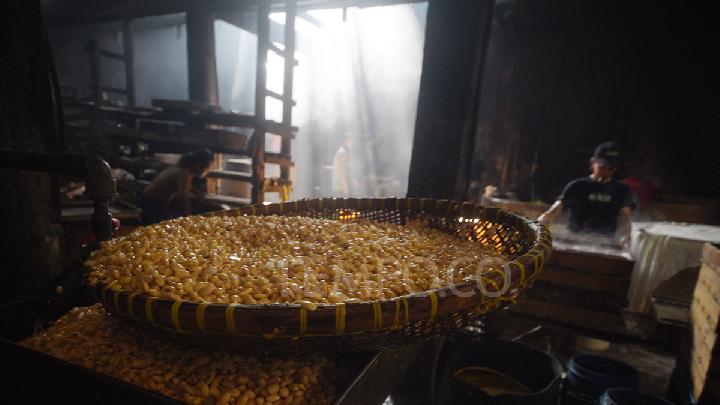
Indonesia Seeks Control Over Soybean Imports Amid Rising Prices
Indonesia Vows to Revoke Import Licenses – In a bid to stabilize the domestic soybean market, Indonesia’s National Food Agency (Bapanas) and Agriculture Minister Amran Sulaiman have issued warnings to importers, signaling potential action against those contributing to price increases. The government has threatened to revoke business licenses if importers fail to maintain competitive pricing, a move aimed at protecting local tofu and tempeh producers who depend heavily on imported soybeans for their operations.
Price Stability as a Priority
Amran emphasized that maintaining stable soybean prices is critical for the food sector, particularly for small-scale manufacturers. Speaking in Jakarta on June 10, 2026, he stated that the government would not tolerate unjustified price hikes, warning that importers could face sanctions including license revocations. “If there is a price increase, I will revoke the license and withhold recommendations, because import activities require approval from the Agriculture Ministry,” he said, as reported by Antara.
“We ask soybean importers not to raise prices indiscriminately. You have been making profits for decades,” Amran added, underscoring the need for responsible pricing. His comments highlight the government’s growing concern over the volatility in soybean markets and its determination to intervene when necessary.
The minister also outlined plans to investigate importers who have caused significant price spikes, particularly those impacting tofu and tempeh producers. These producers, he noted, are vital to Indonesia’s food supply chain, and their ability to operate profitably hinges on affordable soybean costs. The government’s stance reflects a broader effort to balance global market forces with domestic economic stability.
Current Price Trends and HAP Caps
According to the Indonesian Tempe and Tofu Producers Cooperative Association (Gakoptindo), the average price paid by tofu and tempeh producers for soybeans nationwide reached Rp11,126 per kilogram as of June 8, 2026. In Java, prices were slightly lower at Rp10,868 per kg, with some regions reporting as high as Rp11,100 per kg. These figures indicate a modest but steady upward trend, raising alarms about the potential for further inflationary pressures.
Under current regulations, the Reference Selling Price (HAP) for soybeans at the importer level is capped at Rp11,500 per kg. Producers are allowed to pay up to Rp12,000 per kg, but the recent data suggests that prices are approaching this threshold. This has prompted the government to take a more active role in monitoring transactions between importers and domestic buyers, ensuring that the market remains within controlled parameters.
Industry Insights and Past Context
Recent industry meetings organized by Bapanas revealed that imported soybean prices had remained relatively stable compared to the sharp surges observed during the global commodity crisis of 2022. Gakoptindo reported that while there had been slight increases, the current rates are far from the peak levels seen in the previous year. This context may influence the government’s decision to take targeted measures rather than broad restrictions.
Amran’s warnings come at a time when Indonesia is striving to maintain its economic resilience. The country’s reliance on soybean imports, which account for a significant portion of its domestic supply, has made it vulnerable to external market fluctuations. By imposing stricter controls on importers, the government aims to cushion local producers from the impact of these changes while ensuring affordability for consumers.
Supply Chain and Domestic Stock Levels
As of June 2026, national soybean stocks stood at 450,000 tons, a level deemed sufficient to meet domestic demand. This surplus has provided some buffer against immediate supply shortages, but the government remains cautious about long-term price trends. Importers, in response to the warnings, have pledged to keep price increases moderate and avoid abrupt spikes that could destabilize the market.
The National Soybean Importers Association has echoed the government’s concerns, stating that its members are committed to maintaining price stability. This includes coordinating efforts to distribute soybeans efficiently and preventing hoarding or speculative behavior. The association’s pledge underscores a collective responsibility among stakeholders to support the nation’s food security goals.
Broader Economic Implications
While the immediate focus is on soybean prices, the government’s intervention could have wider economic effects. The tofu and tempeh industry is a cornerstone of Indonesia’s food culture and contributes significantly to employment and rural incomes. A sustained rise in soybean costs could strain this sector, potentially leading to higher prices for consumers and reduced production levels.
Amran’s approach aligns with Indonesia’s broader strategy of managing inflation through strategic pricing policies. By targeting soybean importers, the government seeks to address supply chain inefficiencies and ensure that the benefits of importation are shared equitably. This strategy also reflects the country’s efforts to reduce dependency on volatile global markets and safeguard its domestic economy.
Consumer Impact and Future Outlook
The proposed measures are expected to have a measurable impact on both importers and consumers. While producers will see some relief from price caps, importers may face increased operational costs and tighter regulatory scrutiny. The government has also emphasized the importance of transparency in pricing, urging importers to justify any adjustments with clear economic rationale.
Looking ahead, the situation will depend on how importers respond to the warnings. If they continue to raise prices without adequate justification, the government may take more aggressive steps, including direct intervention in the market. Conversely, if prices stabilize, the focus could shift to supporting long-term supply chain improvements and diversifying sources of soybean supply.
Experts suggest that the government’s actions could serve as a deterrent against price manipulation, encouraging importers to act responsibly. However, the success of this policy will hinge on effective enforcement and collaboration with industry associations. The tofu and tempeh producers, in turn, will need to adapt to these changes while maintaining their competitive edge in the market.
With the HAP cap in place and the government’s readiness to act, the soybean market in Indonesia appears to be entering a phase of heightened regulation. This shift marks a significant step in the country’s efforts to stabilize food prices and support its traditional food industries. As the policy takes effect, monitoring price trends and supply conditions will remain critical to assessing its impact.
Read: Pertamax Price Hike Has Minimal Impact on Inflation, Purbaya Assures Click here to get the latest news updates from Tempo on Google News