Iran Sticks to Hormuz Plan After Trump Rejects It
Iran has reaffirmed that the Strait of Hormuz will not reopen unless its stated conditions are met, keeping a vital global shipping corridor at the center of
Iran Maintains Demands for Strait of Hormuz Reopening Despite US Rejection
Tempatdonasi.com – Iran has reaffirmed that the Strait of Hormuz will not reopen unless its stated conditions are met, keeping a vital global shipping corridor at the center of an escalating dispute with the United States.
Foreign Minister Abbas Araghchi said Sunday that Tehran remains willing to pursue diplomacy, but will not retreat from demands linked to an Iranian proposal for a seven-day framework intended to restore passage through the strategic waterway and halt regional fighting.
“Our conditions are clear, and any move toward reopening the Strait of Hormuz is contingent upon these conditions being fulfilled. We will not back down from them,”
Araghchi said Iran had not abandoned negotiations, while stressing that talks could not come at the expense of what Tehran considers its rights.
“We have never closed the door to diplomacy or negotiations, but at the same time, we have never backed down from our rights,”
Proposal tied to wider ceasefire terms
Iran presented its plan at the United Nations General Assembly in New York. Tehran said the proposal could bring fighting to an end within days if its terms were accepted. The plan was delivered to Washington through Qatari mediators.
The Iranian position connects the future of the Strait of Hormuz to a broader political and military settlement. Araghchi said the proposal calls for an end to hostilities across the Middle East, including in Lebanon, as well as implementation of the terms of a ceasefire arrangement that collapsed months earlier.
That earlier deal included the release of Iranian assets that had been frozen, the removal of sanctions on Iranian oil, and an end to the US naval blockade. For Tehran, reopening the strait is therefore not being treated as a separate maritime issue, but as part of a wider package involving sanctions, financial restrictions, and regional conflict.
Trump dismisses Tehran’s offer
US President Donald Trump publicly rejected the proposal on Saturday during remarks to reporters at the White House. His comments indicated that Washington does not accept Iran’s terms for restoring access to the route.
“I reject their proposal … I rejected their deal,”
“They want to make a deal where they open the Strait immediately because they’re losing so badly.”
Iran has said, however, that it has yet to receive a formal response through the mediation channel. Araghchi described Trump’s remarks as the first reaction seen by Iran, but said the final American position had not been delivered by intermediaries.
“We are waiting for the mediators to convey the definitive positions to us, and we will make a decision based on them,”
The difference between public statements and messages passed through mediators leaves room for uncertainty. A diplomatic response that reaches Tehran through Qatar could clarify whether Washington intends to offer revised terms, maintain its rejection, or pursue another approach to the standoff.
Shipping pressure grows in the Gulf
The dispute is unfolding as Iranian ports face a US blockade intended to pressure Tehran into ending the closure of the Strait of Hormuz. International shipping through the waterway remains severely limited, despite Trump’s assertion that the United States controls the passage.
Iran has also moved to reinforce its own authority over navigation in the area. Early Sunday, the Persian Gulf Strait Authority, an Iranian body created to manage the Strait of Hormuz, warned vessels against using what it described as illegal routes.
“This risks financial and life losses for the vessel, owner, master and crew, and seriously restricts its future Strait of Hormuz passage,”
The authority said violations could have consequences beyond a single ship. Other vessels operated by the same company could later face restrictions on using the strait, raising the potential cost for shipping firms trying to find alternative routes or challenge Iranian rules.
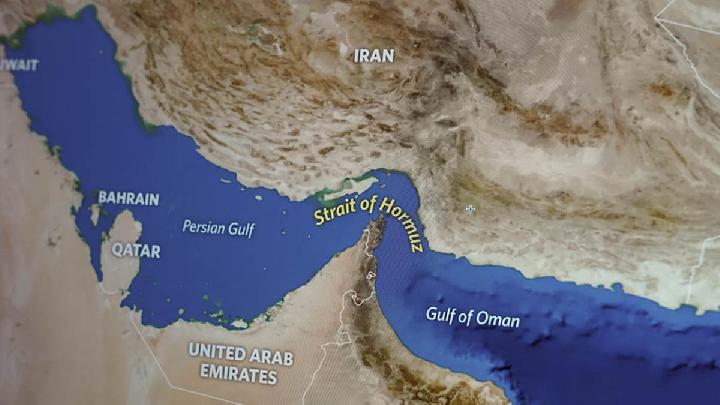
Such warnings matter because the Strait of Hormuz is a narrow but exceptionally important connection between the Persian Gulf and international markets. Before the war began, roughly one-fifth of global oil demand moved through the waterway. It is also a major route for liquefied natural gas and fertilizer shipments.
Any prolonged disruption can affect far more than the states directly involved in the confrontation. Energy buyers, shipping companies, insurers, ports, and industries dependent on fuel or fertilizer deliveries all face greater uncertainty when traffic through the strait is restricted. The route’s importance means even partial interruptions can become a wider economic concern.
For now, Iran’s message is unchanged: a reopening depends on the fulfillment of its political and economic conditions. The United States has publicly rejected the proposed arrangement, while Tehran awaits a definitive response through mediators. Until that gap is narrowed, the future of one of the world’s most consequential maritime corridors remains unresolved.
Related Reading
Frequently Asked Questions
What is Iran Sticks to Hormuz Plan After?
Iran Sticks to Hormuz Plan After is the main topic of this guide. The article explains the context, practical details, and next steps readers should understand.
Why does Iran Sticks to Hormuz Plan After matter?
Iran Sticks to Hormuz Plan After matters because readers are looking for a useful answer, not just a short summary. Good content should match search intent and help them decide what to do next.