Israel Dissolves Parliament, Sets October 27 Election
cludes Term, Announces Autumn Vote Israel Dissolves Parliament Sets October 27 Election - In the wee hours of Friday morning, July 17, 2026, Israel's
Israeli Legislature Concludes Term, Announces Autumn Vote
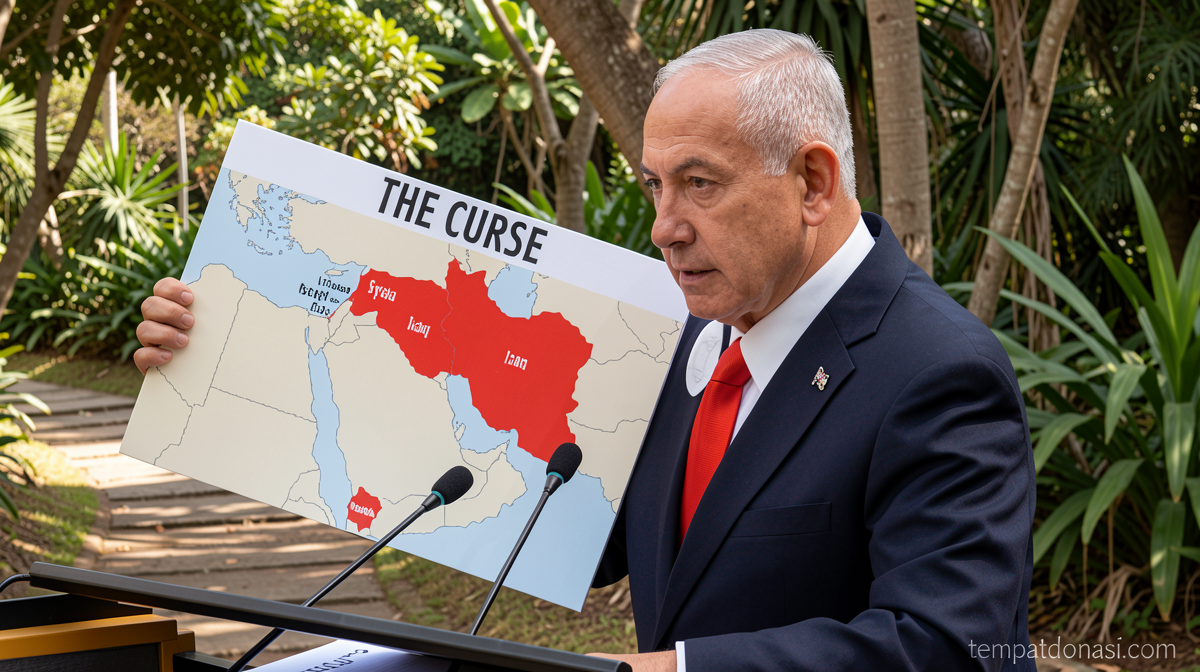
Tempatdonasi.com – In the wee hours of Friday morning, July 17, 2026, Israel’s legislative body formally voted to dissolve itself. This decisive move followed the approval of several contentious measures during the closing days of Prime Minister Benjamin Netanyahu’s coalition administration. The dissolution clears the path for nationwide elections that will take place on October 27, 2026.
According to coverage from The New Arab publication, the Knesset was initially planned to enter its summer break on the same day it announced the dissolution. However, lawmakers will remain inactive until the October voting concludes. This marks a significant departure from the typical parliamentary calendar.
A Historic Four-Year Achievement
Knesset Chairman Amir Ohana highlighted the significance of this moment, noting that the legislature has accomplished something uncommon in Israeli political life. Ohana delivered a statement acknowledging the accomplishment:
We have completed a four-year term, passed nine budgets, and hundreds of laws. I thank you for the trust you have placed in me, which has enabled us to maintain a full four-year term.
Such a complete legislative cycle is quite exceptional for Israel. The previous instance of a government finishing its scheduled term occurred back in 1988. The contrast with recent years is striking. Between 2019 and 2022, the Israeli electorate was called to the polls five separate times. These frequent elections resulted from ongoing political instability and the fragile nature of coalition arrangements during that period.
Settlement Expansion Funding Approved
Before concluding its session, the parliament also greenlit two substantial financial packages aimed at expanding Israeli settlements across the occupied West Bank territory. Finance Minister Bezalel Smotrich and Minister Orit Strock jointly presented the policy framework to lawmakers.
The initial funding package allocates 1.3 billion Israeli Shekels, equivalent to roughly US$431 million. This money was originally authorized in June for the construction of 34 new settlement communities. A supplementary budget of 1.075 billion Shekels, approximately US$358 million, was also approved specifically for building infrastructure. These funds will support new road networks connecting various Israeli settlements throughout the West Bank region.
Coalition Support Shows Decline
Meanwhile, indications suggest that backing for Netanyahu’s governing coalition is gradually eroding as the election approaches. The Arab Weekly newspaper referenced a survey conducted by Maariv and released on Friday. According to this poll, the opposition coalition is forecasted to capture 62 seats in the Knesset. This figure exceeds the 61-seat majority required to establish a new government.
Conversely, the bloc supporting Netanyahu is projected to win only 48 seats. Arab political parties are expected to secure 10 seats collectively. The survey provides additional detail on party performance. Netanyahu’s Likud Party is anticipated to earn 22 seats, matching the projection for Yashar, a newer party headed by former Israel Defense Forces Chief of Staff Gadi Eisenkot.
The political landscape shows further distribution. The alliance formed by former Prime Minister Naftali Bennett is expected to claim 16 seats. Yair Golan’s Democratic Party should receive 11 seats, while Avigdor Lieberman’s Yisrael Beiteinu is projected to obtain nine seats.
The poll surveyed 500 Jewish and Arab Israeli citizens. Results reveal that 55 percent of participants lack confidence in the government’s ability to make sound decisions before the election. Only 38 percent maintain their trust in the current administration’s leadership. These figures suggest a divided electorate as Israel prepares for what could be a transformative election cycle.
The combination of a rare four-year parliamentary term, significant settlement investments, and shifting public opinion creates a complex political environment. Voters will soon determine whether the current trajectory continues or if a new direction emerges from the October ballot.