Jailed Malaysian Ex-Leader Najib Allowed House Arrest
Malaysia’s former prime minister Najib Razak, who is serving a prison sentence linked to the 1Malaysia Development Berhad, or 1MDB, scandal, has received
Najib Razak to Complete Current Prison Term Under House Arrest
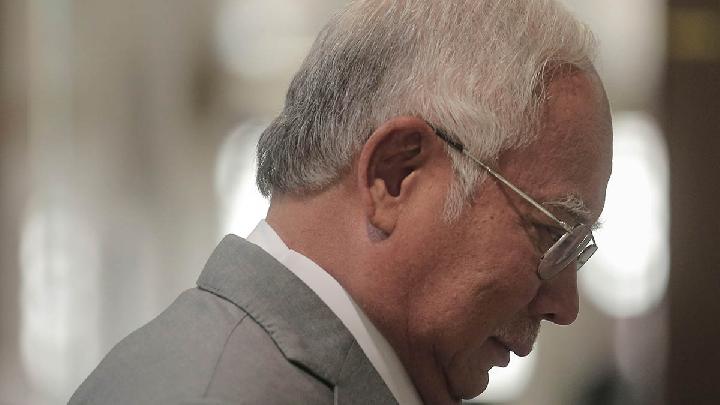
Tempatdonasi.com – Malaysia’s former prime minister Najib Razak, who is serving a prison sentence linked to the 1Malaysia Development Berhad, or 1MDB, scandal, has received conditional royal clemency that will permit him to complete the remainder of his present term in house arrest.
The decision applies to Najib’s existing six-year prison sentence and would run until August 23, 2028. A statement from Prime Minister Anwar Ibrahim’s legal department said the arrangement was granted by King Sultan Ibrahim and is contingent on a substantial payment.
King Sultan Ibrahim “has granted a conditional pardon” to Najib, “allowing him to serve the remainder of his sentence under house arrest” until August 23, 2028.
The conditions include payment of 50 million Malaysian ringgit, valued at about US$12.3 million or €10.7 million. It was not immediately clear when Najib would leave prison to begin serving his sentence at home, and his legal representatives had not publicly commented on the decision.
Convictions Linked to 1MDB
Najib, 73, has been imprisoned over offences connected to 1MDB, the state investment fund established during his time as prime minister. He led Malaysia from 2009 until 2018, when his coalition lost power in an election shaped in part by public anger over the scandal.
In 2020, Najib received a 12-year sentence after being found guilty of abuse of power, criminal breach of trust and money laundering involving US$10.3 million transferred into his personal bank accounts. He began serving that punishment in 2022.
That original sentence was reduced in 2024 under a pardon issued by the previous king. The prison term was cut from 12 years to six years, while the financial penalties were also lowered. Najib had sought permission at that time to serve his punishment under house arrest, but that request did not succeed.
The latest clemency changes the setting in which the rest of the six-year term will be served. It does not erase the conviction, and the announcement did not establish whether the house-arrest decision has any impact on Najib’s separate criminal case.
A Separate 15-Year Sentence Is Under Appeal
In December 2025, Najib was convicted in another case involving allegations that nearly US$569 million was misappropriated from 1MDB. The court found him guilty of abuse of power and money laundering, imposed a fine of 2.8 billion Malaysian ringgit, and ordered a further 15-year prison term.
That second prison sentence is scheduled to begin after his current punishment concludes. Najib is challenging the later conviction through an appeal. Friday’s announcement did not clarify whether the conditional clemency attached solely to the first conviction or could affect the legal consequences of the second case.
This distinction is important because house arrest concerns the remaining part of the sentence Najib is already serving, while the later conviction remains subject to the appeal process. The separate cases involve different allegations, penalties and procedural stages.
The Long Shadow of the 1MDB Scandal
The 1MDB affair became one of Malaysia’s most consequential corruption cases. Investigators have alleged that at least US$4.5 billion in state money was taken and laundered through a network involving senior executives and people associated with Najib.
Najib has consistently denied committing wrongdoing. He has maintained that he was made a scapegoat in the scandal, even as courts handed down convictions in the cases brought against him.
The controversy had consequences far beyond the courtroom. It helped fuel a wave of national discontent that contributed to the 2018 defeat of the United Malays National Organization, commonly known as UMNO. The party had governed Malaysia continuously since the country gained independence from Britain in 1957.
As the son of a prominent political family, Najib was for years regarded as one of the country’s most powerful political figures. His prosecution and imprisonment marked a sharp change from that position, although he continues to retain political influence in Malaysia.
Questions Over Clemency and Equal Treatment
Royal pardons are part of Malaysia’s legal and constitutional framework, but the decision concerning Najib is likely to renew public attention on how clemency is exercised in high-profile criminal cases. The move arrives after years in which the 1MDB scandal has remained closely connected to public debates over corruption, accountability and political power.
For supporters, the house-arrest arrangement may be viewed as a lawful exercise of royal authority. For critics, the case may prompt renewed questions about whether influential figures are treated the same way as other people convicted of serious offences.
Najib’s current prison term is now set to continue under the conditions of the royal pardon until August 2028, provided the required payment is made. His appeal in the later 1MDB case, along with the unanswered question of how this clemency relates to that conviction, will remain central to the next stage of his legal and political story.
Related Reading
Frequently Asked Questions
What is Jailed Malaysian Ex Leader Najib Allowed?
Jailed Malaysian Ex Leader Najib Allowed is the main topic of this guide. The article explains the context, practical details, and next steps readers should understand.
Why does Jailed Malaysian Ex Leader Najib Allowed matter?
Jailed Malaysian Ex Leader Najib Allowed matters because readers are looking for a useful answer, not just a short summary. Good content should match search intent and help them decide what to do next.