
Jakarta Edges Out Washington, D.C., in Global City Rankings
Jakarta Beats Washington DC in World – Jakarta has achieved a notable position in the 2026 World’s Best Cities report, released by Brussels-based consultancy Resonance Consultancy. The city secured the 53rd spot in the list of 100 top cities, surpassing Washington, D.C., which ranked 57th, and Abu Dhabi, placed 86th. This achievement highlights Jakarta’s growing appeal on the world stage, particularly in sectors like tourism, social media engagement, and public transportation.
Resonance Consultancy’s Perspective on Jakarta’s Success
In an interview held in Jakarta on Saturday, June 20, Chris Fair, the firm’s President and CEO, outlined the factors behind the city’s rise. He emphasized that Jakarta’s popularity stems from its dynamic tourist spots, active online presence, and expanded transit systems. Fair noted that while the city faces challenges such as land subsidence and the upcoming shift of the national capital, these have not hindered its progress.
“Jakarta’s success is a reflection of its ability to balance challenges with opportunities, particularly in enhancing its appeal to visitors and residents alike,” Fair stated.
Despite its upward movement, Jakarta still lags behind several major global competitors, including Guangzhou, Bogota, and Kuala Lumpur. However, it remains ahead of cities like Washington, D.C., and Abu Dhabi, which are still making strides in their own right. London, New York, and Paris continue to lead the rankings, showcasing their enduring status as premier global destinations.
Elements Driving Jakarta’s Global Appeal
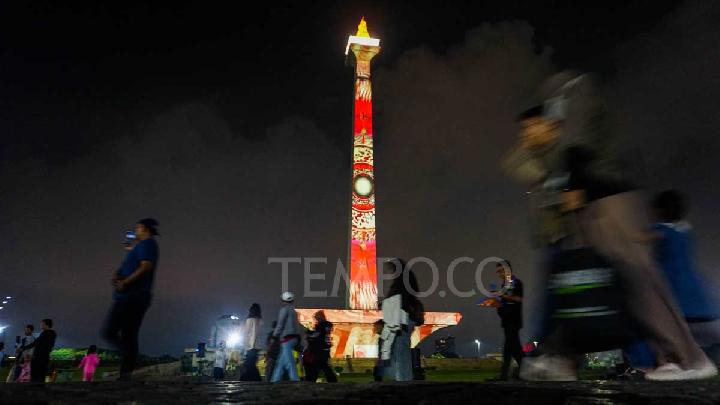
One of the key reasons for Jakarta’s ascent is its “lovability,” a metric where it ranks 28th globally. This appeal is fueled by iconic public spaces, such as the historic Kota Tua district, and revitalized cultural landmarks. The city also boasts modern rooftop venues in SCBD and the scenic Pantai Indah Kapuk (PIK) waterfront, which have become popular spots for both locals and tourists. Additionally, Jakarta’s vibrant festival scene and diverse entertainment options have bolstered its standing in the Shopping and Family-Friendly Attractions categories, pushing it into the global top 10.
Resonance Consultancy’s analysis highlights Jakarta’s strong digital footprint as a crucial driver of its global visibility. The city ranks ninth worldwide for Instagram posts and eighth for TikTok videos, underscoring its influence in digital culture. Fair pointed out that the high engagement on social media platforms reflects Jakarta’s ability to captivate audiences, even as its overall ranking remains mid-tier.
“Jakarta’s online presence is a testament to its dynamic energy, with social media serving as a powerful tool to showcase its evolving identity,” Fair added.
Transportation and Economic Growth
Looking beyond tourism, Jakarta’s transportation infrastructure has seen significant upgrades, which analysts believe play a vital role in its improved ranking. The Greater Jakarta LRT is being integrated with existing transit systems, creating a more seamless experience for commuters. Meanwhile, Phase 2 of the Jakarta MRT, extending toward Kota Tua, is progressing steadily, promising to further enhance connectivity. The Soekarno-Hatta Airport Rail Link, too, has been cited as a key asset, streamlining travel between the international airport and the city’s core.
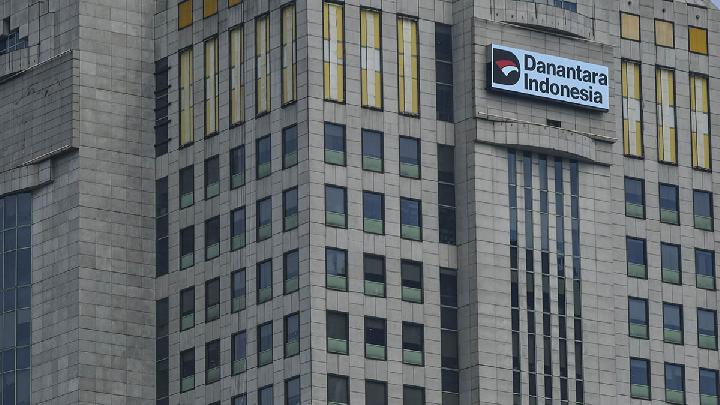
On the economic front, the report underscores Jakarta’s resilience and growth potential. A surge in investment flowing into the Jakarta metropolitan region has been highlighted as a sign of its enduring vitality. This includes the development of data centers along the Bekasi-Cikarang corridor, designed to meet rising demands in cloud computing and artificial intelligence. Alongside this, new high-rise office buildings in Sudirman, Thamrin, Kuningan, and TB Simatupang are shaping the city’s skyline and reinforcing its role as a business hub.
Resonance Consultancy’s evaluation of cities is based on its proprietary Place Power Score methodology, which combines hard data with public perception. The score measures three core pillars: livability, lovability, and prosperity. Each of these factors is assessed using 46 distinct metrics across 30 analytical categories, ensuring a comprehensive evaluation of urban performance.
Methodology and Global Survey Insights
The rankings are derived from a blend of objective data and subjective opinions, as evidenced by the Ipsos survey conducted across 31 countries. Over 21,000 participants were asked to rate cities based on their desirability for living, working, and visiting. Jakarta’s inclusion in the top 10 for Shopping and Family-Friendly Attractions suggests that its urban development is resonating with a broader audience.
While the methodology is robust, it also acknowledges the subjective nature of city appeal. For instance, Jakarta’s “lovability” is not just about infrastructure but also about its cultural and social offerings. This duality is what makes the report both informative and reflective of public sentiment. The findings indicate that even cities with lower rankings can excel in specific areas, such as digital engagement or cultural accessibility.
Interestingly, Jakarta’s economic standing is not solely dependent on its current position but also on its future trajectory. With the capital set to relocate to Nusantara, the city is positioning itself as a resilient economic hub. Fair expressed confidence that Jakarta’s economic center of gravity will remain intact, despite the capital’s shift.
Challenges and Future Outlook
Despite its achievements, Jakarta continues to grapple with challenges that have long been associated with rapid urbanization. Land subsidence, traffic congestion, and environmental concerns remain pressing issues. Yet, the city’s ability to address these problems through strategic investments and infrastructure projects highlights its adaptability.
For example, the expansion of the MRT and LRT systems is part of a broader initiative to reduce reliance on private vehicles and improve mobility. These developments, coupled with the growth of data centers and premium office spaces, signal Jakarta’s commitment to sustainable urban growth. The city’s success in the 2026 report is not just a snapshot but a reflection of its long-term vision and efforts.
As global cities evolve, Jakarta’s rise in the rankings suggests a shift in perception. While it may still trail behind traditional powerhouses like London and New York, its dynamic energy and strategic developments are making it a formidable competitor. The report’s emphasis on digital engagement and cultural appeal underscores the changing priorities of urban rankings, which now value both innovation and tradition.
In conclusion, Jakarta’s position in the 2026 World’s Best Cities report is a testament to its multifaceted growth. From its vibrant cultural scene to its expanding transportation networks and economic initiatives, the city is demonstrating its capacity to thrive in a competitive global landscape. As the capital transitions to Nusantara, Jakarta’s role as a key economic and cultural center is expected to remain strong, solidifying its place in international city rankings.