Jakarta Ranks Third Among World’s Most Polluted Cities on Sunday
Capital City Faces Severe Air Quality Challenges Jakarta Ranks Third Among World s Most - Residents of Indonesia's capital experienced concerning air
Capital City Faces Severe Air Quality Challenges
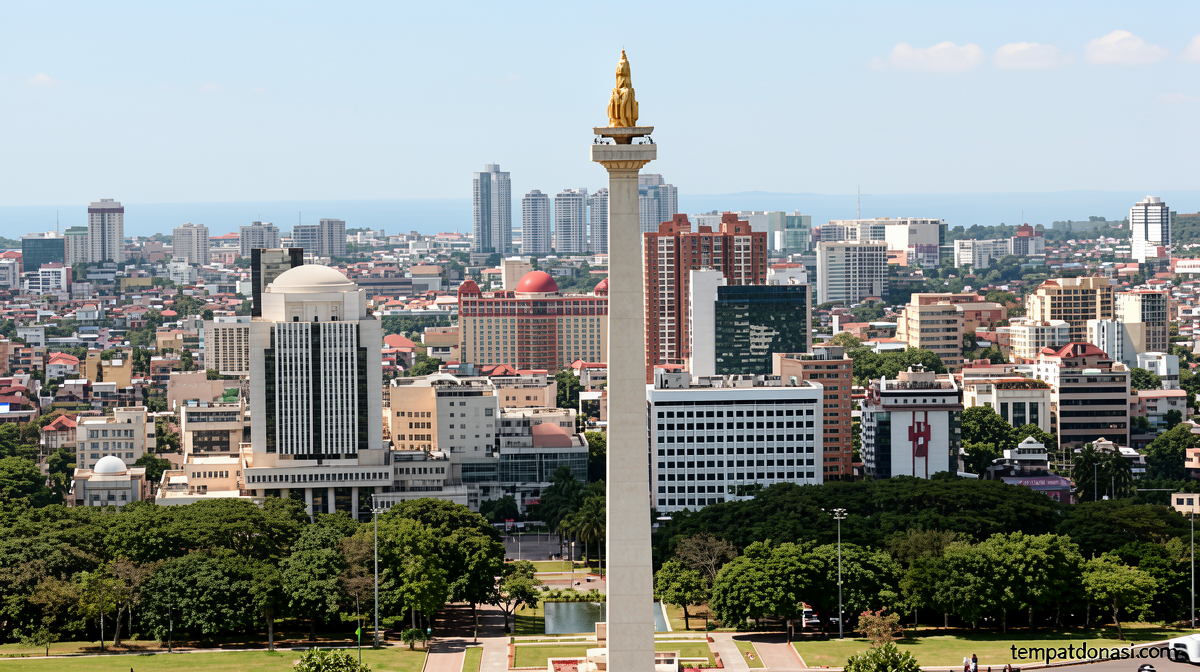
Tempatdonasi.com – Residents of Indonesia’s capital experienced concerning air conditions on Sunday morning as pollution levels pushed Jakarta into the third position globally for worst air quality. The metropolitan area’s atmospheric readings demonstrated significant deterioration, placing the city among the most affected urban centers worldwide during this period.
Monitoring data collected through the IQAir platform revealed that Jakarta’s Air Quality Index reached 168 at 5:57 a.m. Western Indonesian Time. This measurement falls squarely within the unhealthy classification, driven primarily by elevated PM2.5 particulate matter concentrations measuring 80 micrograms per cubic meter of air.
Understanding the Health Implications
Such pollution levels pose particular risks to vulnerable populations. Sensitive groups including children, elderly individuals, and those with respiratory conditions face heightened exposure dangers. The elevated particulate matter can also negatively impact domestic animals and vegetation within the urban environment.
The monitoring platform advises residents to limit outdoor engagements during periods of poor air quality. Individuals who must venture outside should utilize protective face coverings and maintain closed windows to minimize inhalation of contaminated atmospheric particles.
Clear air conditions represent optimal scenarios where neither human nor animal health suffers adverse effects. Such environments also preserve plant vitality and maintain aesthetic qualities of buildings and public spaces. The threshold for good air quality requires PM2.5 concentrations remaining between zero and fifty micrograms per cubic meter.
When readings climb into the moderate range of fifty-one to one hundred micrograms, conditions generally remain safe for most populations though sensitive plant species may experience measurable impacts. Very unhealthy classifications emerge when PM2.5 levels reach two hundred to two hundred ninety-nine, potentially threatening health across broader population segments. The most dangerous category spans three hundred to five hundred, representing conditions capable of causing serious harm to general populations.
Global Rankings and Regional Context
Among the world’s most polluted urban centers, Kinshasa in the Democratic Republic of Congo currently holds the top position with an AQI reading of 193. Kampala, Uganda follows in second place at 176, while Lahore, Pakistan occupies fourth position with 166. Addis Ababa, Ethiopia rounds out the top five with a reading of 154.
Jakarta’s provincial administration has initiated comprehensive preparations to combat worsening atmospheric conditions during the upcoming dry season. Meteorological forecasts indicate this period will extend from early May through August, creating conditions favorable for pollution accumulation.
Immediate interventions include upgrading air quality monitoring infrastructure and enhancing vehicle emission testing protocols. These measures aim to provide more accurate real-time data and identify major pollution sources within the capital region.
The provincial government’s Air Pollution Control Strategy, known locally as SPPU, currently undergoes thorough evaluation across multiple dimensions. Analysts are examining PM2.5 trend patterns, sector-specific emission loads, and comprehensive health impact assessments to refine policy recommendations.
Officials emphasize that atmospheric pollution management requires coordinated efforts beyond Jakarta’s boundaries. Effective solutions demand integrated collaboration between regional government agencies and cross-jurisdictional partnerships encompassing areas surrounding the capital city.
As residents navigate these challenging conditions, understanding pollution levels and following recommended precautions becomes essential for maintaining health and wellbeing throughout the dry season period.