KPK Awaits Case Hearing Before Deciding MBG Probe
KPK Awaits Case Hearing Before Deciding – Indonesia’s Corruption Eradication Commission (KPK) has not yet made a decision on whether to escalate its investigation into the alleged corruption case linked to the free nutritious meal program, known as MBG. The commission is currently awaiting the conclusion of an inquiry that will shape the next phase of the case. This inquiry is crucial, as it will determine whether the MBG probe moves forward or remains in its preliminary stage. The MBG program, a key initiative of President Prabowo Subianto, has been the focus of scrutiny due to suspected financial misconduct during its implementation.
Legal Framework and Investigation Coordination
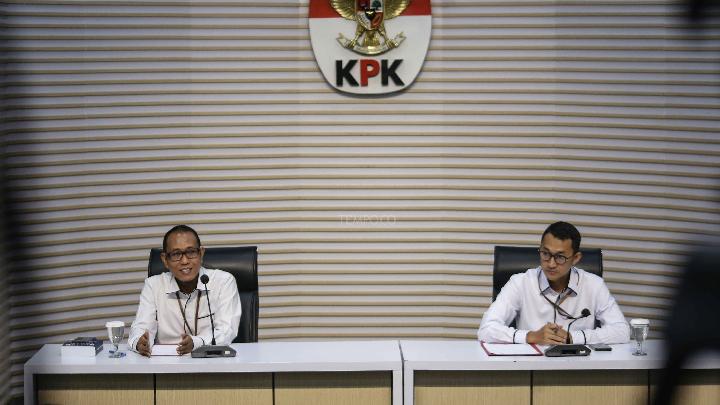
According to Achmad Taufik Husein, the Acting Director of Investigation at the KPK, the commission is in the early stages of its inquiry into the MBG case. However, the Attorney General’s Office (AGO) has already advanced the investigation to a more formal level, prompting concerns about overlapping responsibilities. Taufik emphasized that legal procedures require consistency in the investigation process, stating that there should be no dual authority in managing the case. “The legal framework ensures that once the inquiry is resolved, the KPK will align its actions with the findings,” he said during a meeting at the KPK’s Merah Putih Building in South Jakarta on June 8, 2026.
“Therefore, according to the legal regulations, there should be no dualism in the investigation,” said Taufik at the KPK’s Merah Putih Building, South Jakarta, on Monday, June 8, 2026. “We will wait for the outcome of the inquiry, and then determine how to proceed with the process.”
The KPK is now seeking guidance from its leadership to coordinate with the AGO, ensuring that both institutions work in tandem without conflicting priorities. This coordination is essential before the KPK can decide whether to take over the investigation or hand it over to the AGO. “Our process will depend on the AGO’s decision, and we are preparing to follow their lead,” Taufik added. The commission is also evaluating whether to transfer the collected data to the AGO for further legal action, a step that requires careful deliberation.
AGO’s Investigation and Suspects Identified
Meanwhile, the AGO continues its own investigation into alleged deviations in the MBG program, which has been overseen by the National Nutrition Agency (BGN). The case originated from a review of governance practices during the 2025-2026 period, revealing suspicions of fraudulent activities related to the Nutrition Fulfillment Service Unit (SPPG). Investigators are focused on the misuse of points within the program, which they believe caused significant state financial losses and benefited multiple parties.
“We suspect that the individuals involved abused their authority in managing the MBG program,” said an AGO official. “The investigation is examining the flow of funds and the roles of those allegedly implicated.”
The AGO has named former BGN head Dadan Hindayana as a suspect, along with two former deputy chiefs: Inspector General (Ret.) Sony Sonjaya and Lieutenant General TNI (Ret.) Lodewyk Pusung. These individuals are under scrutiny for their potential roles in the alleged corruption. The charges against them include Article 603 jo Article 20, letter a or c of Law Number 1 of 2023 on the Criminal Code (KUHP), and Article 18 of the Corruption Eradication Law. The legal basis for these accusations centers on the misuse of public resources and the facilitation of financial discrepancies.
Public and Political Implications
The MBG probe has sparked discussions about transparency in public welfare programs, particularly those led by high-profile figures like Prabowo. Critics argue that the program’s complexity and scale make it vulnerable to mismanagement, while supporters defend its intent to improve access to nutrition for vulnerable communities. The case also highlights the interplay between the KPK and the AGO, with each institution vying for authority in the investigation. This dynamic could influence the perception of the KPK’s independence and effectiveness.
As the investigation unfolds, stakeholders are closely monitoring the outcomes. The KPK’s decision to escalate or consolidate the case may have long-term implications for the program’s credibility. Additionally, the involvement of retired military officials and high-ranking nutrition agency leaders raises questions about the influence of political networks on administrative decisions. The AGO’s ongoing work to trace the financial trail and identify all potentially implicated parties is seen as critical to establishing a clear picture of the alleged misconduct.
Next Steps and Public Interest
With the inquiry results pending, both the KPK and AGO remain in a state of anticipation. The KPK’s leadership is expected to provide a definitive direction on how to proceed, which could either lead to a joint investigation or a transfer of responsibilities. The public, particularly those who rely on the MBG program for meals, is keenly interested in the findings. For them, the outcome of the probe may determine the program’s future and whether it can continue to serve its intended purpose without financial compromise.
The case also underscores the challenges of overseeing large-scale public initiatives. While the MBG program aims to address food insecurity, the alleged corruption has cast a shadow over its success. As the investigation progresses, it will be vital to balance accountability with the need to maintain public trust in the program. The legal proceedings are likely to be closely watched, not only by the media but also by political opponents who see the case as an opportunity to highlight potential weaknesses in the administration’s priorities.
Read: Nanik S. Deyang: I Didn’t Know I Would Become BGN Chief Click here to get the latest news updates from Tempo on Google News