Nearly 50,000 Women and Girls Killed or Injured in Gaza Since October 2023
Women and girls in Gaza have endured devastating losses since the war began in October 2023, with more than 38,000 killed and 11,700 suffering injuries that
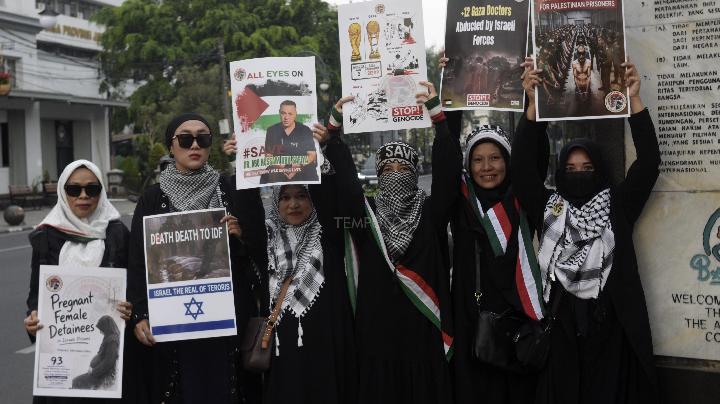
UN Women Highlights Heavy Toll on Gaza’s Women and Girls
Tempatdonasi.com – Women and girls in Gaza have endured devastating losses since the war began in October 2023, with more than 38,000 killed and 11,700 suffering injuries that will cause lifelong disabilities. The combined figure approaches 50,000 people, illustrating the scale of harm facing female civilians across the territory.
UN Women humanitarian action chief Sofia Calltorp said the deaths were concentrated largely in the first two years of the conflict. Yet the suffering has not ended with the ceasefire that came into force in October 2025. Since that point, 277 women and girls have been killed amid continuing violence.
“More than 38,000 killed and 11,700 left with injuries so severe that they now live with lifelong disabilities,” Calltorp said.
The figures point not only to lives lost, but also to an enduring humanitarian challenge. Survivors living with permanent injuries may require long-term health care, rehabilitation, accessible shelter and support to rebuild daily life. For many families, those needs are made harder by displacement, poverty and the destruction surrounding them.
Displacement Deepens the Crisis
Nearly one million women and girls have been forced from their homes, and almost all are still displaced. Many are sheltering in tents, while others remain close to damaged or destroyed homes. Displacement can leave families without privacy, predictable access to basic services or the security needed to recover from trauma.
Women and girls face particular pressures when communities are uprooted. Everyday responsibilities such as finding food, water, shelter and care for children become more difficult when families are repeatedly moved or separated from familiar support networks. The loss of a home can also mean the loss of personal safety, income opportunities and access to local services.
The continuing displacement underscores why a ceasefire must be more than a pause in large-scale fighting. Civilians need conditions that allow them to live safely, receive assistance and begin restoring stable homes and communities. For women and girls, that includes services designed around their health, protection and recovery needs.
More Households Led by Women
The number of female-headed households in Gaza has doubled during the conflict. One in four households is now led by a woman, a major shift that reflects the pressure placed on women who are caring for relatives while navigating displacement and loss.
Female-headed households may face a broad range of demands at once: securing essentials, caring for children and older relatives, handling the consequences of injury or bereavement, and making decisions in an increasingly uncertain environment. The rise in these households makes support for women’s economic security, protection and access to services especially urgent.
This change also has implications for humanitarian assistance. Aid efforts that do not account for women’s central role in sustaining families risk overlooking barriers they may face in reaching distribution points, health facilities, safe accommodation and other forms of support.
Local Women’s Groups Face Funding Pressure
Organizations working with women in Gaza are struggling to keep up with expanding needs after funding reductions weakened their response capacity. Thirteen of 14 groups surveyed by UN Women said demand for help had grown beyond what they could meet.
All 14 organizations described increases in gender-based violence, poverty and mental health problems since 2025. Thirteen also identified child marriage as a serious concern. These findings show how conflict affects people beyond immediate physical danger, with insecurity and displacement creating conditions that can intensify risks inside homes and communities.
Women’s organizations are often among the first places people turn for practical help, counselling, protection referrals and community support. When their resources are cut, the effects can reach families already coping with grief, injury, homelessness and financial hardship. Sustained funding is therefore closely tied to whether women and girls can access help when they need it.
Call for Protection and Accountability
UN Women has called for the ceasefire to be fully carried out, for international law to be respected and for violations to be met with accountability. The appeal places civilian protection at the center of the response, while recognizing that humanitarian needs will continue long after immediate violence subsides.
“What we have found is an appalling collective suffering, immense pain, and a level of resilience and strength that no woman should ever have to endure,” Calltorp said.
The experience of Gaza’s women and girls cannot be measured only through casualty totals. Behind each figure is a person whose family, health, home and future have been affected. The large number of people living with severe injuries, the persistence of displacement and the strain on local support groups all point to a crisis requiring durable protection and long-term assistance.
For those still displaced, the path forward depends on safety, reliable humanitarian access and services capable of responding to both urgent and lasting needs. Full implementation of the ceasefire, protection of civilians and support for organizations serving women and girls remain essential to easing the burden carried by Gaza’s families.
Related Reading
Frequently Asked Questions
What is Nearly 50 000 Women and Girls?
Nearly 50 000 Women and Girls is the main topic of this guide. The article explains the context, practical details, and next steps readers should understand.
Why does Nearly 50 000 Women and Girls matter?
Nearly 50 000 Women and Girls matters because readers are looking for a useful answer, not just a short summary. Good content should match search intent and help them decide what to do next.