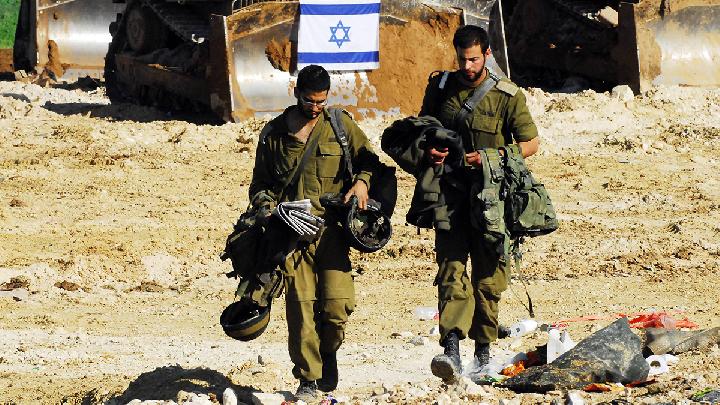
North Korea Denies South’s Claim, Calls DMZ Blast a ‘Farce’
North Korea has dismissed Seoul’s accusation that it was responsible for a landmine explosion in the Demilitarized Zone that injured three South Korean
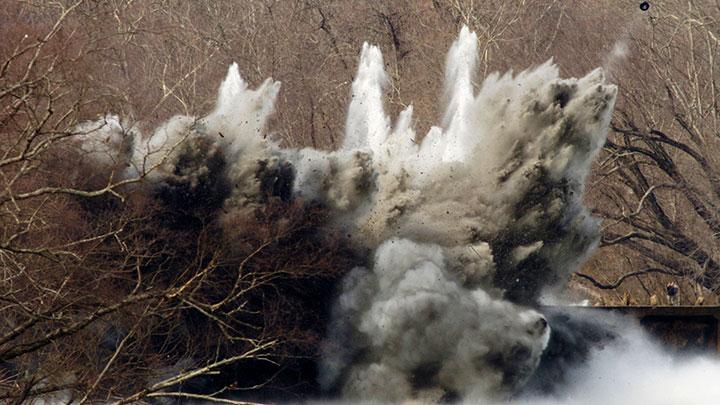
North Korea Rejects Responsibility for DMZ Mine Explosion
Tempatdonasi.com – North Korea has dismissed Seoul’s accusation that it was responsible for a landmine explosion in the Demilitarized Zone that injured three South Korean soldiers, deepening tensions around one of the world’s most heavily guarded borders.
Kim Yo Jong, the influential sister of North Korean leader Kim Jong Un, issued the denial on Wednesday through state media. She rejected the South Korean findings as fabricated and described the allegation as another attempt by Seoul to create a false narrative about Pyongyang.
“It is too low and dirty as befitting the tribes of South Korea,” Kim said.
“Such a farce is by no means new.”
The dispute follows an explosion last week in the DMZ, the buffer zone separating the two Koreas. The blast led South Korean authorities to begin an investigation into its cause and raised concern over security conditions near the Military Demarcation Line.
Seoul Says North Korean Mines Caused the Blast
South Korean Defense Minister Kang Shin-chul said Tuesday that the explosion resulted from mines planted by North Korea. He said Pyongyang appeared to have laid mines as part of an effort to reinforce its side of the frontier.
Kang said South Korea would respond, though he did not publicly specify the full range of steps that could be taken. His remarks indicated that the military intended to act gradually rather than announce a single immediate measure.
“Has a range of necessary measures at our disposal, and we will implement them in stages,” Kang said of the South Korean military’s options.
Seoul’s military has also called on North Korea to apologize. A Joint Chiefs of Staff official urged Pyongyang to halt actions that could worsen the already strained situation on the Korean Peninsula and to take responsibility for the incident.
“North Korea must immediately cease activities that heighten tensions on the Korean Peninsula, …. and we strongly urge an apology and responsible measures,” the official said.
UN Command Cites Armistice Violation
The investigation gained further significance after South Korean and United Nations personnel found another North Korean anti-personnel mine during a follow-up inspection on Tuesday, the South Korean joint chiefs said.
The United Nations Command said investigators had located an active mine on the South Korean side of the Military Demarcation Line. The discovery was treated as a violation of the armistice agreement that stopped open fighting in the 1950-53 Korean War.
The Korean War ended with an armistice rather than a permanent peace treaty, leaving the two Koreas technically still in a state of war. The agreement established the DMZ, but the zone has remained a point of military sensitivity for decades. Military activity, construction, and movement near the boundary can quickly become politically consequential because both sides maintain large forces nearby.
The UN Command, a U.S.-led multinational force, monitors compliance with the armistice and administers the southern side of the DMZ. Its conclusion places the mine incident beyond a bilateral exchange of accusations, since it frames the matter as a breach of rules designed to prevent renewed conflict.
A Border Incident With Wider Consequences
Mine-related incidents carry particular risks in the DMZ because the area’s terrain, military restrictions, and proximity to the boundary can complicate inspections. The presence of an active anti-personnel mine on the southern side of the line also creates an immediate safety concern for personnel operating in the area.
The competing statements underline the sharp divide between Seoul and Pyongyang over responsibility. South Korea has tied its position to the findings of its military and UN investigators, while Kim Yo Jong has categorically rejected the charge and portrayed it as an unfounded provocation.
For South Korea, the case has become a test of how to respond to an incident it considers both a security threat and an armistice violation. For North Korea, the denial signals that it is unwilling to accept Seoul’s interpretation of events or issue the apology demanded by the South.
No indication has emerged that the disagreement will be resolved quickly. With three soldiers injured and an additional mine discovered during the inspection, the episode has added another source of friction to a border where even isolated incidents can have broader implications for inter-Korean relations.
Related Reading
Frequently Asked Questions
What is North Korea Denies South s Claim?
North Korea Denies South s Claim is the main topic of this guide. The article explains the context, practical details, and next steps readers should understand.
Why does North Korea Denies South s Claim matter?
North Korea Denies South s Claim matters because readers are looking for a useful answer, not just a short summary. Good content should match search intent and help them decide what to do next.