Pakistan Suicide Bombing Targets Police Facility in Kohat
A powerful explosion at a police facility in Kohat, northwestern Pakistan, killed at least 16 people on Friday and left dozens more injured. The attack, which
Deadly Blast Strikes Police Compound in Pakistan’s Kohat
Tempatdonasi.com – A powerful explosion at a police facility in Kohat, northwestern Pakistan, killed at least 16 people on Friday and left dozens more injured. The attack, which took place close to the Afghan border, damaged a mosque inside the compound while officers, relatives and civilians were gathered for prayers.
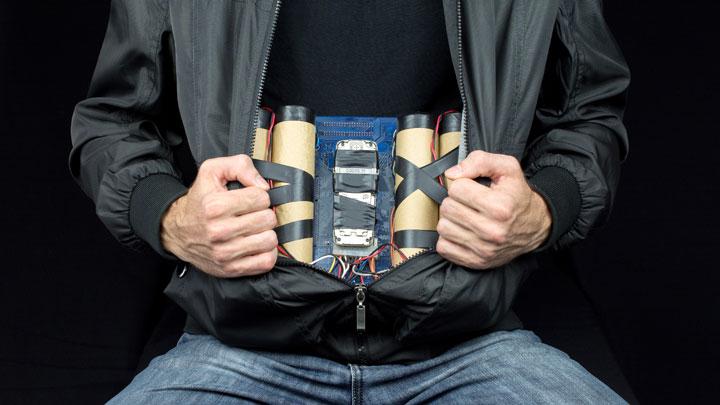
Authorities described the incident as a suicide bombing involving a vehicle packed with explosives. The blast triggered a large-scale rescue response, with casualty figures continuing to shift as emergency teams searched the damaged area and treated the wounded.
Police Officers and Civilians Among the Dead
Zulfikar Hameed, the provincial police chief, said at least 16 people had been killed, including five members of the police force. A rescue official gave a similar account of the toll, identifying five police officers, 10 civilians and the alleged attacker among those who died.
Initial estimates of those hurt differed, but officials placed the number above 30, while some assessments indicated that more than 50 people may have sustained injuries. The varying figures reflected the continuing nature of rescue operations after the explosion caused extensive destruction near the mosque.
The police compound was targeted at a time when worshippers were inside the mosque. Those present included police personnel, their family members and other civilians. The attack therefore struck both a security installation and a place of worship, increasing the number of people exposed to the blast.
Gunfire Followed the Explosion
The bombing was followed by a confrontation between security forces and additional militants. Police said that at least two attackers attempted to enter the facility after the vehicle explosion, leading to an exchange of gunfire.
The sequence of events underlined the complexity of the assault. A vehicle bombing can inflict immediate damage and create confusion, while follow-up attempts to breach a compound can place rescuers, police officers and survivors at further risk. Security personnel responded as emergency efforts were beginning around the damaged mosque.
No organization immediately claimed responsibility for the attack. However, President Asif Ali Zardari appeared to place responsibility on Tehreek-e-Taliban Pakistan, or TTP, a militant group also referred to by Pakistani officials as Fitna-al-Khawarij.
The complete elimination of Fitna-al-Khawarij and terrorists operating with foreign backing is essential for national security.
The president’s statement reflected Pakistan’s wider concern over armed violence in its border regions, where attacks on police, military targets and civilians have remained a major security issue.
Government Condemns Assault
Prime Minister Shehbaz Sharif condemned the attack and expressed grief over the loss of life. He instructed authorities to speed up the rescue effort as medical teams and emergency workers dealt with the aftermath.
The Interior Ministry also denounced the assault, saying the attackers’ “cowardly actions” would not undermine the country’s determination. The government’s response emphasized both the immediate need to assist victims and the broader effort to confront militant violence.
Kohat is located in Khyber Pakhtunkhwa, a province that has long been affected by instability linked to its proximity to Afghanistan. The region’s geography and history have made it central to Pakistan’s security concerns, particularly as tensions between Islamabad and Afghanistan’s Taliban-led authorities have intensified.
Border Tensions Shape the Security Crisis
Pakistan has repeatedly accused the TTP of using sanctuaries across the border in Afghanistan to plan attacks and train fighters. Islamabad has connected a rise in violence in Khyber Pakhtunkhwa and the southwestern province of Balochistan to the presence of militants on Afghan territory.
Afghanistan’s Taliban administration has rejected those accusations. The dispute has contributed to a severe deterioration in relations between the neighboring countries, whose long and sensitive border has become a focal point for security, diplomatic and military friction.
The disagreement has not remained limited to public statements. Pakistan has carried out airstrikes that it says were directed at militants sheltering in Afghanistan, including strikes in June. Authorities in Kabul have condemned such actions and said civilians were among the casualties.
These recurring accusations and cross-border incidents have made cooperation more difficult at a time when both countries face security pressures. For Pakistan, attacks in places such as Kohat reinforce concerns that militant networks retain the ability to strike heavily guarded locations. For communities in the border region, the violence carries an especially heavy burden because public spaces, security compounds and religious sites can all become vulnerable.
Impact on a Community Already Under Pressure
The Kohat bombing is particularly significant because it hit a mosque within a police compound. Police facilities are meant to provide protection and maintain public order, while mosques are places where families and local residents gather alongside officers. The attack brought those two settings together in a devastating way.
As rescue operations continue, the confirmed number of victims may be revised. The immediate priority remains medical treatment for those injured, recovery efforts at the compound and an investigation into the individuals behind the assault.
Pakistan’s leaders have signaled that the bombing will strengthen, rather than weaken, their resolve to confront militant groups. Yet the attack also highlights the wider challenge facing the country: preventing further violence requires not only security responses at targeted facilities, but also progress in addressing the cross-border tensions that continue to shape the conflict in the region.
Related Reading
Frequently Asked Questions
What is Pakistan Suicide Bombing Targets Police Facility?
Pakistan Suicide Bombing Targets Police Facility is the main topic of this guide. The article explains the context, practical details, and next steps readers should understand.
Why does Pakistan Suicide Bombing Targets Police Facility matter?
Pakistan Suicide Bombing Targets Police Facility matters because readers are looking for a useful answer, not just a short summary. Good content should match search intent and help them decide what to do next.