Prabowo Urges Police to Take Action Against Corporations Linked to Forest Fires
In a pointed intervention during a cabinet-level disaster briefing held online from Jakarta on Monday, September 7, 2026, President Prabowo Subianto directed
Indonesian President Orders Aggressive Legal Pursuit of Plantation Firms Behind Forest Blazes
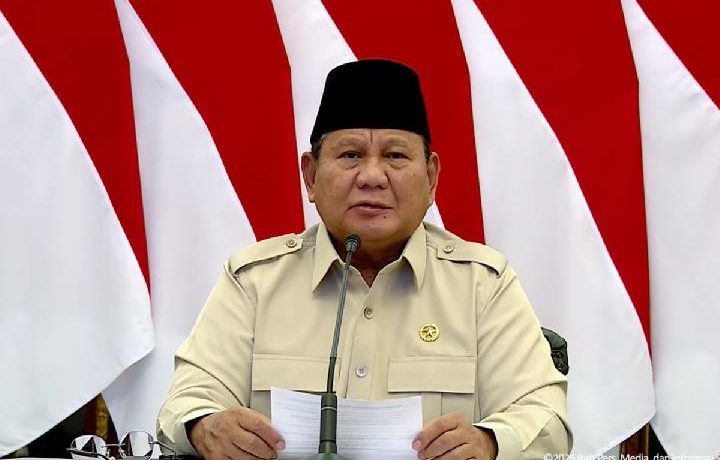
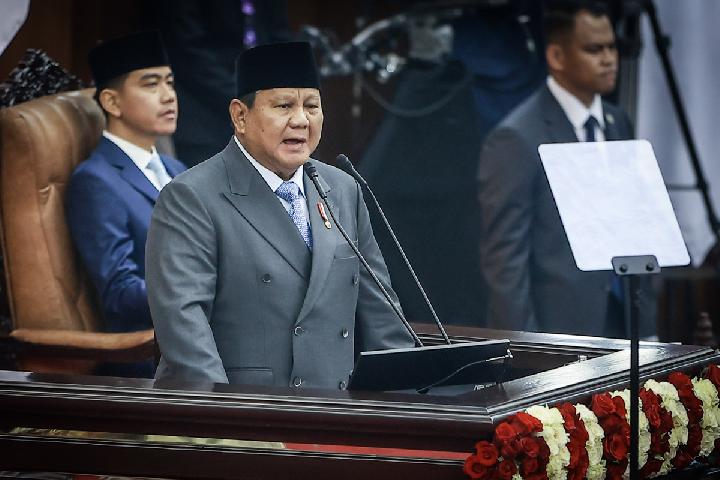
Tempatdonasi.com – In a pointed intervention during a cabinet-level disaster briefing held online from Jakarta on Monday, September 7, 2026, President Prabowo Subianto directed the Indonesian National Police (Polri) to escalate criminal proceedings against corporate entities implicated in recurring forest and land fires across the archipelago. The president’s remarks, delivered in a session focused on nationwide catastrophe management, signaled a sharp turn toward holding large-scale landholders accountable rather than limiting enforcement to individual field workers.
Prabowo’s frustration centered on a pattern he described as unmistakable: parcels of land consumed by flame are converted into commercial plantations within a remarkably compressed timeframe. He questioned whether the burning was carried out by smallholders or by organized corporate actors, and he demanded that investigators identify the latter and report findings directly to his office.
“I find it concerning how land that burns down turns into plantations in a very short time. This is clearly deliberate, and we need to know whether it’s done by locals or corporations,” Prabowo said.
Police Investigation Yields Hundreds of Suspects
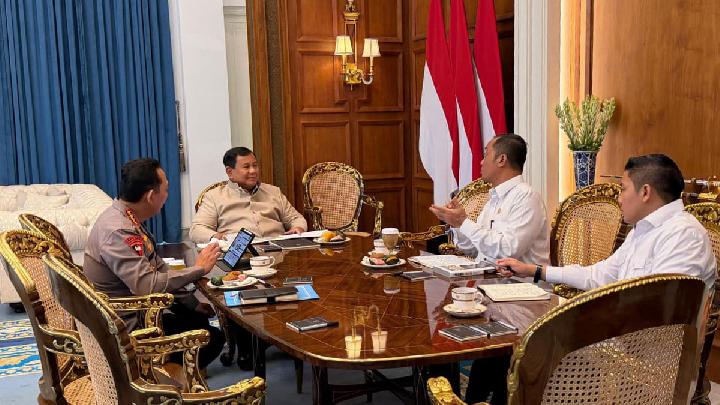
Polri Chief General Listyo Sigit Prabowo presented figures from ongoing casework during the same session. According to the chief, investigators have formally named 138 suspects across 200 separate police reports tied to the current fire season. Within that cohort, 119 individuals are suspected of intentionally igniting vegetation, while a further 19 have been flagged for alleged negligence in fire management on their properties.
Beyond individual charges, the police are pursuing criminal action against eight corporations. A separate tranche of 18 companies currently operates under frozen permits, and 42 additional firms have had their licenses revoked outright. Investigators are examining whether the conduct of these entities constitutes criminal offenses beyond administrative violations.
Permit Revocation and Ownership Transparency Demanded
The president went further than ordering prosecutions. He instructed Forestry Minister Raja Juli Antoni, Agrarian Affairs and Spatial Planning Minister Nusron Wahid, and the Forest Area Enforcement Task Force to conduct parallel inquiries into corporate involvement in the blazes. His instruction carried an explicit threat of immediate regulatory withdrawal should evidence warrant it.
“If necessary, we should immediately revoke all their permits, Right to Cultivate (HGU), and others. This has gone too far, and I want to know who actually owns these corporations,” he said.
The emphasis on ownership transparency reflects a long-standing critique of Indonesia’s plantation sector, where layered corporate structures and nominee arrangements have historically obscured ultimate beneficial owners. By pressing for the names behind the entities, Prabowo signaled that enforcement would not stop at the level of site managers or contracted laborers but would reach the capital providers and directors who authorize land-clearing practices.
The Right to Cultivate (HGU) system, which grants long-term concessions over state forest land to private operators, has been a focal point of environmental controversy since the haze crises of 1997 and 2015. Critics have long argued that the regime permits large-scale clearing with insufficient oversight, and that revocation powers, while available in statute, are rarely exercised with the speed the president now demands.
Broader Disaster Posture: From Sumatra Floods to NTT Quakes
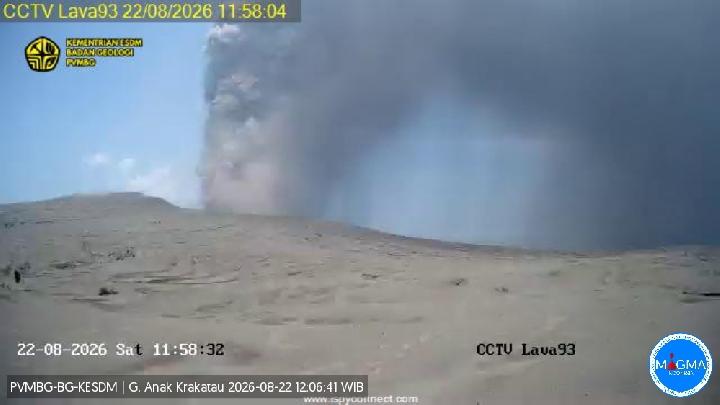
The fire directive was embedded in a wider briefing on multiple simultaneous hazards. Prabowo reaffirmed the government’s commitment to strengthening response capacity across several fronts: flooding and landslides affecting portions of Sumatra, a recent earthquake in East Nusa Tenggara, ongoing volcanic activity, and the forest-and-land fire season itself. The multi-hazard framing underscored that the cabinet treated fire suppression not as an isolated seasonal problem but as one thread in a national resilience strategy.
Preparedness Over Reaction: Expanding the Firefighting Fleet
On the operational side, the president called for a structural shift from reactive suppression to proactive mitigation. He urged officials to prioritize preventive measures—wet-season planning, controlled burns under supervision, and early-detection networks—rather than mobilizing resources only after flames have spread beyond containment.
He specifically directed expansion of the firefighting asset base, naming helicopters, water pumps, fire trucks, and other essential equipment as priorities. The aim, he stated, was to ensure that adequate capacity exists before the dry-season peak arrives, reducing dependence on last-minute procurement or inter-agency borrowing that has slowed response in previous years.
Indonesian forest fires, driven largely by peatland ignition in Sumatra, Kalimantan, and Sulawesi, have periodically produced transboundary haze affecting neighboring Malaysia and Singapore. The economic cost extends beyond ecological damage to include aviation disruptions, respiratory-health burdens, and losses in downstream fisheries and agriculture. By coupling aggressive corporate prosecution with expanded preventive infrastructure, the administration appears to be attempting to address both the incentive structure and the operational gap that have allowed the cycle to persist for decades.
Related Reading
Frequently Asked Questions
What is Prabowo Urges Police to Take Action?
Prabowo Urges Police to Take Action is the main topic of this guide. The article explains the context, practical details, and next steps readers should understand.
Why does Prabowo Urges Police to Take Action matter?
Prabowo Urges Police to Take Action matters because readers are looking for a useful answer, not just a short summary. Good content should match search intent and help them decide what to do next.