Prabowo: ‘It Is Indonesia’s Fate to Be Located on the Ring of Fire’
Straddling two tectonic plates and dotted with more than 120 active volcanoes, Indonesia has long lived under the shadow of geological instability. On Monday
Indonesia’s President Orders Sweeping Overhaul of Disaster Readiness Amid Simultaneous Crises
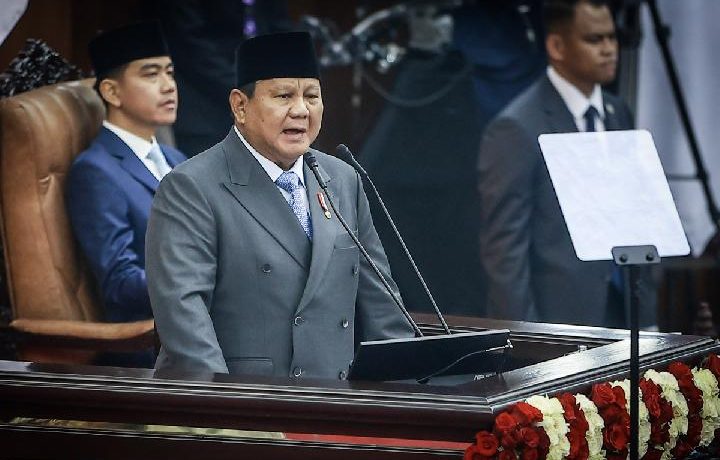
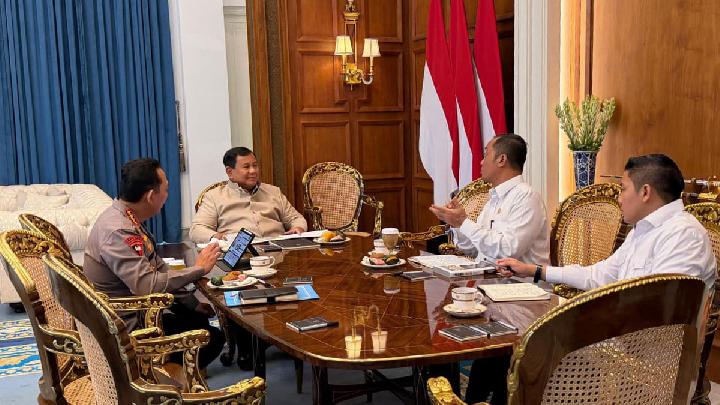
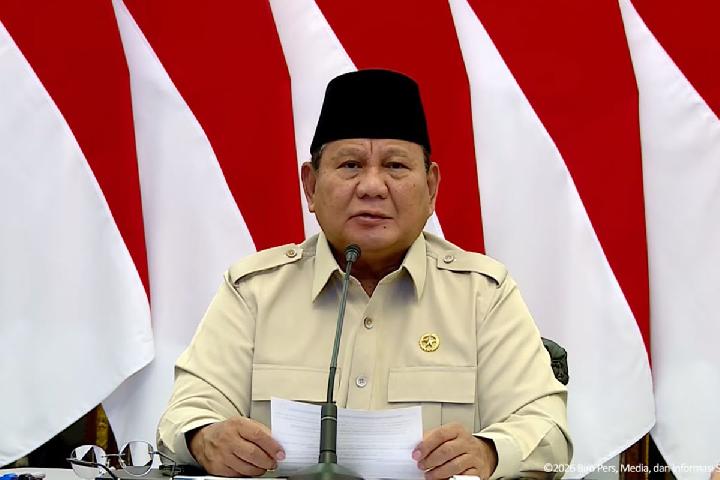
Tempatdonasi.com – Straddling two tectonic plates and dotted with more than 120 active volcanoes, Indonesia has long lived under the shadow of geological instability. On Monday, September 7, 2026, President Prabowo Subianto made clear that the government intends to stop treating that instability as an inevitability to be endured passively. Speaking from the Merdeka Palace in Jakarta during a virtual cabinet session devoted entirely to disaster management, the president directed his ministers and agency heads to build out a comprehensive, forward-looking mitigation framework — one that positions resources before catastrophe strikes rather than scrambling after the fact.
A Nation on the Seam of Two Plates
The Pacific Ring of Fire traces a horseshoe of seismic and volcanic activity around the western Pacific basin, and Indonesia sits squarely along its most densely populated arc. The archipelago’s position between the Indo-Australian and Eurasian plates means that earthquakes, tsunamis, eruptions, and associated landslides are not rare anomalies but recurring features of daily life. Prabowo framed this reality bluntly in his remarks to the cabinet:
“This is our fate as a country situated on the Ring of Fire, compelling us to remain prepared for such situations at all times.”
His comment underscores a shift in governmental posture: from reactive crisis management toward proactive risk reduction. For decades, Indonesian disaster response has been criticized for mobilizing late, deploying thin resources, and relying heavily on international aid in the first critical hours after a major event. The president’s language on Monday signals an explicit rejection of that legacy.
Three Crises Running Simultaneously
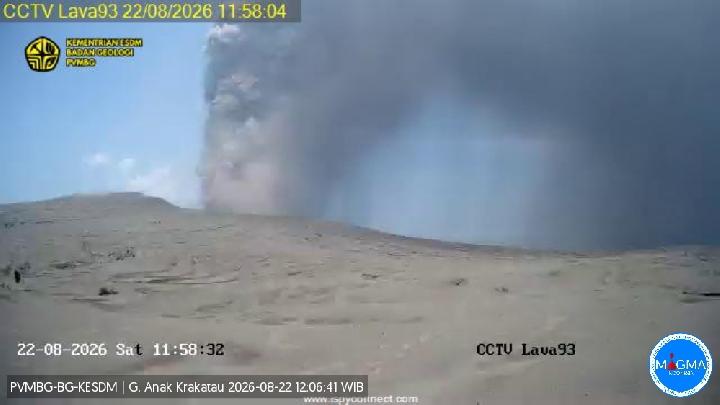
The urgency of the directive was underscored by the fact that, at the time of the meeting, the government was already juggling multiple concurrent emergencies. In Flores Island, teams were working through post-earthquake rehabilitation — rebuilding housing, restoring roads, and reopening disrupted supply lines following a recent seismic event. On the Sunda Strait, Mount Anak Krakatau had entered a phase of heightened volcanic activity, sending ash plumes that prompted Banten province to place its health facilities on high alert. Across Sumatra, Kalimantan, and Sulawesi, persistent forest and land fires continued to smolder through dry-season conditions, choking air quality and threatening agricultural livelihoods.
Prabowo demanded detailed, up-to-date progress reports on all three fronts. He instructed both provincial governments and the relevant central ministries and national agencies to submit comprehensive status briefings, closing what he characterized as unacceptable gaps in situational awareness at the presidential level.
Prepositioning, Not Reacting
The core operational instruction from the president was deceptively simple: move disaster-management assets into place before an incident materializes. Rather than waiting for an eruption, quake, or fire front to trigger a scramble, cabinet members were told to preposition equipment, personnel, and supplies in zones identified as high-risk. The logic is straightforward — reducing response time from hours to minutes can mean the difference between contained damage and catastrophic loss of life.
“We are preparing for mitigation; we must not wait for incidents to happen. We must prepare long beforehand.”
To operationalize this principle, the administration announced two specific technological expansions. First, the government plans to increase its fleet of aircraft dedicated to weather-modification operations — cloud seeding and related interventions aimed at breaking prolonged dry spells that fuel forest fires. Second, officials will explore deploying heavy-lift drones capable of carrying water or retardant payloads to inaccessible fire zones, reducing dependence on fixed-wing aircraft and rotary-wing helicopters in terrain where conventional aerial firefighting is impractical.
Budget and Procurement Push
Prabowo stated that his administration will scale up budget allocations earmarked for disaster mitigation, though specific figures were not disclosed during the session. Alongside the budget increase, he ordered immediate procurement of additional helicopters, water pumps, fire engines, and small excavators specifically sized for rural areas where forest fires tend to ignite and spread before larger municipal units can arrive. The emphasis on compact, rural-appropriate machinery reflects the reality that most Indonesian forest fires begin in remote agricultural margins far from urban fire stations.
Why the Timing Matters
The September date places the directive squarely at the onset of Indonesia’s dry season, when fire risk climbs sharply and volcanic activity can be amplified by reduced atmospheric moisture. Simultaneously, the Flores rehabilitation effort and the Anak Krakatau monitoring operation demand sustained resource commitment that competes with other national priorities. By consolidating all three crises under a single cabinet-level review and pairing them with a forward-looking mitigation budget, the administration is attempting to break the annual cycle of ad-hoc emergency spending that has characterized Indonesian disaster governance for years.
Whether the announced measures translate into measurable reductions in response times, casualty counts, and economic losses will depend on implementation at the provincial and district levels — the tier where most disaster decisions are actually made. The president’s Monday session set the tone; the next twelve months will test whether the machinery of preparedness can outpace the machinery of geology.
Related Reading
Frequently Asked Questions
What is Prabowo?
Prabowo is the main topic of this guide. The article explains the context, practical details, and next steps readers should understand.
Why does Prabowo matter?
Prabowo matters because readers are looking for a useful answer, not just a short summary. Good content should match search intent and help them decide what to do next.