
Riau Reports No Active Forest Fires After Weeks of Firefighting
Riau entered Sunday, September 27, 2026, with no active forest or land fires being handled across the province, following weeks of work by joint firefighting
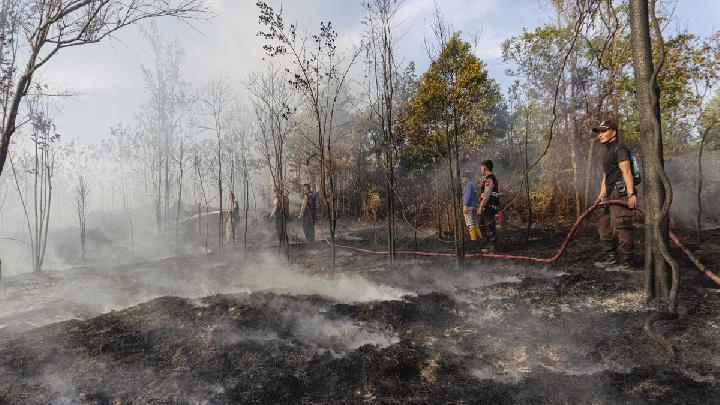
Riau Maintains Zero Active Forest and Land Fires as Crews Stay on Guard
Tempatdonasi.com – Riau entered Sunday, September 27, 2026, with no active forest or land fires being handled across the province, following weeks of work by joint firefighting teams. The improved conditions bring relief after a period of intensive response, but officials have stressed that the absence of active blazes does not mean the risk has disappeared.
Teams remain deployed for patrols, monitoring, cooling operations, and prevention efforts, particularly in places considered vulnerable to renewed burning. Authorities are watching former fire locations closely because conditions in affected areas can shift quickly and embers may lead to another outbreak if not properly controlled.
Emergency personnel remain on standby
Riau Disaster Mitigation Agency chief Edy Afrizal said the province had reached a zero-fire status on Sunday. He described the situation as controlled while emphasizing that personnel would not be withdrawn from their monitoring duties.
“Thankfully, Riau has zero forest and land fires today. There are no active fires we are handling,” Edy said in Pekanbaru, the capital of Riau Province, on Sunday.
The result reflects the combined work of field personnel who have been involved in extinguishing fires and securing burned locations. Even after flames are no longer visible, cooling measures are important because previously burned land can still retain heat. Continued checks also help crews identify any signs that a fire could return.
Riau’s response therefore remains focused on both immediate readiness and prevention. Patrols are continuing alongside cooling operations, with the objective of keeping burned areas from reigniting. The approach recognizes that a temporary improvement in conditions must be protected through sustained work on the ground.
Police warn against lowering vigilance
Riau Police Public Relations Head Senior Commissioner Akmadi said the zero-fire status should strengthen prevention efforts rather than reduce them. Police personnel are continuing patrols and surveillance, with special attention directed toward peatland and other areas where fire risks require close observation.
“We must maintain zero forest and land fires today. Personnel continue to conduct patrols and prevention efforts,” Akmadi said.
His message underlines a central concern for authorities: a controlled situation can change if monitoring weakens. Prevention is especially important after firefighting operations have brought a series of blazes under control, since new fires can emerge and previously affected land may require continued attention.
“We must not let our vigilance decline once the situation is under control, because fires could break out again,” he said.
Police are also maintaining public outreach intended to reduce activities that could ignite fires. Residents have been reminded not to clear or prepare land by burning. They are encouraged to notify authorities promptly when they see indications of a fire, allowing a response to begin before a situation grows more difficult to manage.
Prevention depends on a coordinated response
The province’s current status has been supported by cooperation among multiple groups. Local governments, the military, police, the disaster mitigation agency, Manggala Agni, companies, and community members all have roles in preventing recurring fires and responding when danger is detected.
“Collaboration among local governments, the military and police, the disaster agency, Manggala Agni, businesses and communities remains key to preventing fires from recurring,” Akmadi said.
That coordination matters beyond the firefighting phase. Public reporting can help authorities detect smoke or flames early, while regular patrols can identify potential hazards in areas that need heightened scrutiny. Businesses and local communities also form part of the broader prevention effort when land-use activity is carried out without burning.
For residents, the immediate message is that the province’s zero-active-fire condition remains a shared responsibility. Avoiding burning for land preparation, paying attention to possible signs of fire, and quickly alerting relevant officials are practical steps that support the ongoing work of response teams.
The end of active firefighting operations on Sunday marks a significant improvement for Riau after recent weeks of blazes. Still, authorities are treating the development as a moment to preserve through vigilance, not as a reason to relax. Patrols, cooling work, and monitoring will continue as officials seek to prevent fresh fires and keep the province at zero active forest and land fires.
Related Reading
Frequently Asked Questions
What is Riau Reports No Active Forest Fires?
Riau Reports No Active Forest Fires is the main topic of this guide. The article explains the context, practical details, and next steps readers should understand.
Why does Riau Reports No Active Forest Fires matter?
Riau Reports No Active Forest Fires matters because readers are looking for a useful answer, not just a short summary. Good content should match search intent and help them decide what to do next.