South Jakarta Logs 8,406 Tuberculosis Cases Since January 2026
South Jakarta had identified 8,406 tuberculosis cases between January and October 5, 2026, underscoring the importance of early recognition, screening, and
South Jakarta Records 8,406 TB Cases Through Early October
Tempatdonasi.com – South Jakarta had identified 8,406 tuberculosis cases between January and October 5, 2026, underscoring the importance of early recognition, screening, and prompt treatment for people who may be affected.
Fitria Ramdhita, who heads the Disease Prevention and Control (P2P) Section at the South Jakarta Health Agency, confirmed the figure on Wednesday, October 14, 2026. The total reflects cases found during the first nine months and several days of the year.
“The number of TB cases found in South Jakarta from January to October 5, 2026, was 8,406,”
The case count places attention on the need for residents to understand warning signs and act without delay when symptoms appear. Tuberculosis is curable, and timely testing can help people begin appropriate care sooner while reducing the risk of further transmission.
Symptoms That Should Not Be Ignored
Residents are being encouraged to watch for symptoms commonly associated with TB. These include a cough lasting longer than two weeks, an extended fever, night sweats, and unexplained weight loss. Such symptoms should prompt a visit to a health facility rather than being left untreated or dismissed.
“Let’s recognize the symptoms of TB, such as coughing for more than two weeks, prolonged fever, night sweats, and weight loss,”
A prolonged cough may be easy to overlook, particularly when it begins mildly or occurs alongside symptoms people may associate with other common illnesses. The guidance from health officials is clear: persistent symptoms deserve medical attention. Seeking an evaluation provides an opportunity to determine whether TB screening or further care is needed.
Early action matters because waiting can delay treatment for people who need it. A health facility can assess symptoms and guide the next steps. For residents, the practical message is to pay attention to changes in their health and seek professional help when symptoms continue.
Screening Is Especially Important After Close Contact
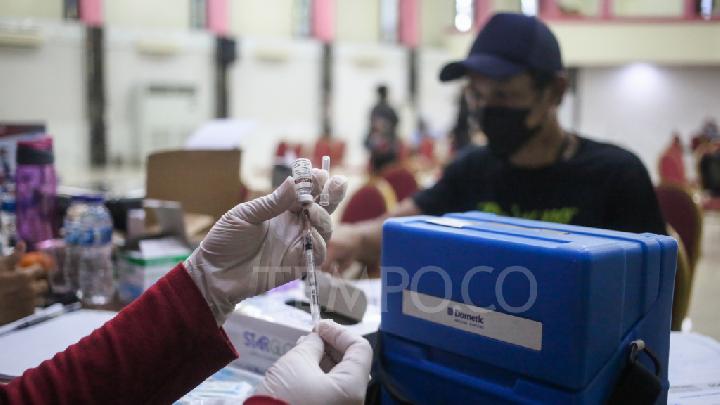
Fitria also called on people who have been in close contact with someone with TB to obtain screening, even if they are uncertain about their symptoms. This group has been highlighted because direct and sustained contact may make timely screening particularly important.
“Immediately go to a health care facility and get screened for TB, especially if you have had close contact with a TB patient. TB is curable, and transmission can be prevented,”
For people who know they have had close contact with a TB patient, postponing a health visit can create unnecessary uncertainty. Screening offers a clear route to assessment and, when needed, treatment. It also supports a broader effort to limit the spread of the disease within households and communities.
People experiencing possible TB symptoms are likewise urged not to wait, particularly when they have had contact with a patient. The combination of persistent symptoms and close exposure is a reason to seek care as soon as possible.
A Reminder for Communities and Families
The 8,406 cases recorded in South Jakarta are a reminder that public awareness remains a central part of the response to TB. Recognizing symptoms is not only an individual health decision; it can also help families and communities respond sooner when someone needs care.
Support from relatives, friends, and neighbors can make it easier for a person with persistent symptoms to visit a health facility. Conversations about coughing that does not go away, continuing fever, sweating at night, or weight loss can help encourage someone to get checked rather than delay.
Health guidance does not require people to make their own diagnosis. Instead, it asks them to recognize possible signs, understand when screening is important, and seek assessment from qualified health services. This distinction is important because symptoms alone do not establish a diagnosis, while testing and medical evaluation can determine the appropriate response.
South Jakarta residents are therefore being asked to remain alert to symptoms that persist for more than two weeks and to prioritize screening after close contact with a TB patient. Prompt care can connect patients with treatment, while early screening can support efforts to prevent transmission.
With thousands of cases found since the beginning of 2026, the message for the public is straightforward: do not delay when symptoms continue, and do not postpone screening after close exposure. TB can be treated, and taking action early is an important step toward protecting both individual and community health.
Related Reading
Frequently Asked Questions
What is South Jakarta Logs 8 406 Tuberculosis?
South Jakarta Logs 8 406 Tuberculosis is the main topic of this guide. The article explains the context, practical details, and next steps readers should understand.
Why does South Jakarta Logs 8 406 Tuberculosis matter?
South Jakarta Logs 8 406 Tuberculosis matters because readers are looking for a useful answer, not just a short summary. Good content should match search intent and help them decide what to do next.