
Student Protest Wave in Indonesia Also Reaches Central Java
Student Protest Wave in Indonesia Also – On June 12, 2026, a surge of student-led demonstrations demanding government policy reforms swept through Indonesia, with Central Java emerging as a central hub of activity. The protests, which drew participants from across the nation, highlighted growing concerns about economic instability and the role of state institutions. In cities like Surakarta (Solo) and Semarang, students gathered to voice their grievances, signaling a broader movement that extended beyond the capital. The demonstrations underscored the urgency of addressing public discontent, as young activists pushed for immediate action on issues ranging from food distribution to law enforcement reforms.
Protesters Demand Review of Key Policies in Solo
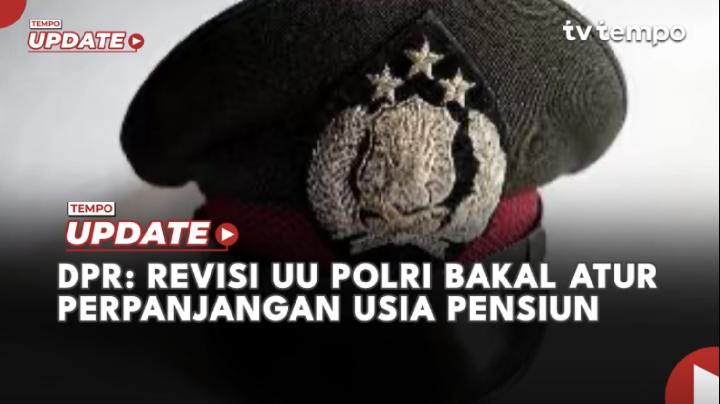
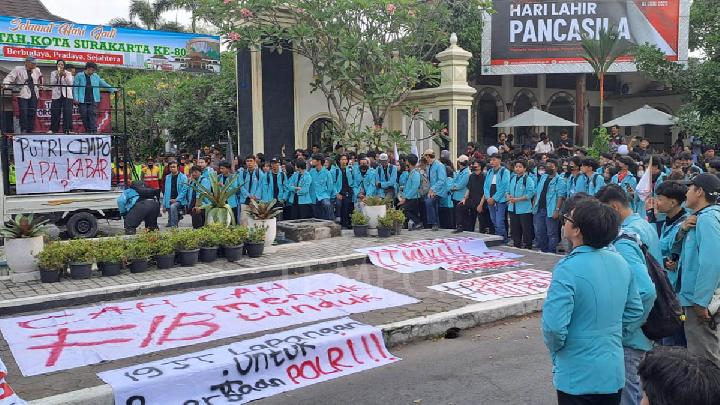
Surakarta, a cultural and economic heart of Central Java, saw hundreds of students from multiple universities converge at the city council building to express their demands. Organized under the Alliance of Solo Raya Student Executive Boards (BEM), the rally was marked by organized speeches and calls for systemic change. Among the key points raised, students emphasized the need for a reassessment of the Free Nutritious Meals (MBG) program, which has been a cornerstone of social welfare but has drawn criticism for inefficiency and rising costs. They also targeted the recent amendments to the Indonesian National Police (Polri) Law, arguing that the revisions threatened to expand police powers at the expense of civil liberties.
“We demand that the government evaluate large-budget programs and prioritize economic recovery,” said Arif Ainurjaya, a participant in the protest. His statement reflected the students’ frustration with the country’s struggling economy, which has seen a decline in public purchasing power and increased pressure on the rupiah. The protest, which began in the afternoon, was punctuated by passionate speeches and demands for transparency, with demonstrators linking the economic crisis to broader governance failures.
The students’ concerns were not limited to policy changes. They also highlighted the depreciation of the Indonesian rupiah, which had reached Rp18,201 per US dollar by June 8, 2026. This sharp decline, they argued, had exacerbated inflation and placed additional strain on households. The demonstration in Solo was part of a nationwide trend, with similar actions reported in Jakarta and other regions. However, the Central Java protests carried particular weight due to the city’s role as a regional economic center and its large student population.
Surakarta Police Address Tensions Amid Rumors of Detentions
As the protest in Surakarta intensified, tensions briefly rose when rumors spread that two participants had been detained. This led to a moment of uncertainty, with demonstrators expressing concern over potential arrests. However, the situation was quickly clarified by Surakarta police, who confirmed that no one had been taken into custody. “We can confirm that no one was detained. The crowd later dispersed in an orderly manner,” said Adjunct Commissioner Lingga Ramadhani, the police spokesperson. The resolution of the incident demonstrated the protesters’ ability to maintain cohesion despite the initial fear.
To manage the event, authorities deployed around 490 joint personnel, including police and traffic officers, to ensure safety and maintain order. These measures were critical in preventing any escalation of violence, as the demonstration had drawn a large crowd and generated significant public attention. By 5:30 p.m. local time, the protest had concluded peacefully, with students walking away after their demands were officially recorded and forwarded to relevant officials. Surakarta City Council leaders met with the demonstrators, acknowledging their concerns and pledging to review the proposed reforms.
Similar Protests in Semarang Target Economic and Legal Reforms
In Semarang, another wave of student activism unfolded, with hundreds of participants gathering near the Central Java Governor’s Office and the Regional House of Representatives on Pahlawan Street. The demonstration, which began at approximately 4:20 p.m., was spearheaded by the Diponegoro University Student Executive Board (BEM). Chairperson Nur Maajid took the lead in criticizing government performance, framing the protests as a response to mounting economic pressures.
“The economic crisis is looming. What is the government waiting for to act?” Maajid said. His remarks echoed the sentiments of many participants, who cited rising government debt and the weakening rupiah as critical issues. The students called for a comprehensive review of the MBG program, lower fuel prices, and stronger measures to stabilize the currency. They also emphasized the need for reforms in the relationship between civil society, the military, and the police, arguing that the revised Polri Law could enable greater surveillance and limit democratic freedoms.
The protest in Semarang shared similarities with the one in Solo, as both focused on economic and institutional reforms. However, the Semarang demonstrators placed particular emphasis on the impact of rising fuel costs, which they claimed had disproportionately affected low-income families. The students’ demands were clear: immediate action was needed to prevent further deterioration of living standards and to restore public trust in the government’s ability to address the crisis. Maajid warned that more demonstrations would follow if the administration failed to respond adequately.
Broader Implications of the Protests
The protests in Central Java are part of a larger student-led movement that has gained momentum across Indonesia in recent months. These demonstrations reflect a growing sense of urgency among youth, who are increasingly vocal about their dissatisfaction with the status quo. In Jakarta, where similar protests had taken place earlier in the week, students had already demanded a reevaluation of economic policies. Now, the focus had shifted to Central Java, where the protests highlighted the regional disparities in economic conditions and the need for localized solutions.
Analysts noted that the protests were not only a response to current challenges but also a sign of shifting political dynamics. The students’ ability to organize and mobilize large crowds demonstrated their increasing influence in shaping public discourse. Their demands for transparency, accountability, and economic stability resonated with a population weary of inflation, unemployment, and declining purchasing power. The use of direct action, including rallies and sit-ins, suggested a willingness to push for change beyond traditional channels of communication.
As the protests concluded, officials in both Solo and Semarang reiterated their commitment to addressing the students’ concerns. Surakarta City Council Speaker Budi Prasetyo pledged to forward the demonstrators’ proposals to higher authorities, while the Semarang police spokesperson expressed confidence that the government would take the necessary steps to stabilize the economy. However, the protests also served as a reminder of the challenges ahead, with students warning that their movement would continue unless tangible progress was made.
With the country facing a multifaceted crisis, the role of student organizations in demanding policy reforms has become more prominent. Their efforts underscore the importance of youth participation in governance and the potential for grassroots movements to influence national decision-making. As the economic situation evolves, the pressure on the government to act will likely remain a central theme in upcoming protests and public debates.
Jamal Abdun Nashr, a reporter for Tempo, contributed to the coverage of these events. The article also references earlier demonstrations in Jakarta, where students had called the protests a “first step” in a broader campaign for economic and political reform. As the movement gains traction, it is expected to shape the national conversation on governance and economic policy for the foreseeable future.