US Allows Iranian Leaders to Attend UNGA, But with Restrictions Attached
Senior Iranian officials will be permitted to travel to New York for high-level United Nations General Assembly meetings, though their visit will be subject
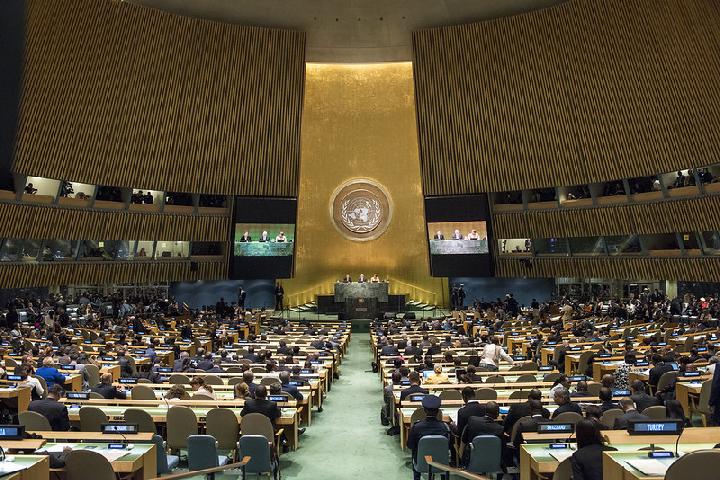
Iranian Officials Receive Limited Access for UN General Assembly Meetings
Tempatdonasi.com – Senior Iranian officials will be permitted to travel to New York for high-level United Nations General Assembly meetings, though their visit will be subject to strict US limits on movement and spending.
The approved Iranian delegation includes President Masoud Pezeshkian, Foreign Minister Abbas Araghchi, and a reduced group of officials and staff. The group will attend the UN General Assembly’s High-Level Week as tensions between Washington and Tehran remain acute after months of conflict with no clear end in sight.
US authorities said the visas reflect obligations connected to the country’s role as host of the United Nations headquarters. At the same time, the administration has imposed conditions intended to sharply restrict what Iranian representatives can do outside official UN business.
“Consistent with our host country obligations, the core delegation from the Iranian regime will be able to attend UN General Assembly High Level Week,” a US State Department spokesperson said.
Travel and Spending Limits
The Iranian delegation will not have unrestricted access to New York or the wider United States. Their travel is expected to be limited to routes and locations needed for transit to and from the UN headquarters area and for participation in official meetings.
The restrictions continue a policy used by the Trump administration toward Iranian delegations. In 2025, Iranian officials were prevented from visiting wholesale and high-end retail outlets, with their movements confined to areas considered necessary for UN-related duties.
US officials have also barred delegation members from purchasing luxury items and other goods while they are in the country. The measure is presented as a response to concerns that senior Iranian figures could use the annual diplomatic gathering for personal shopping while ordinary Iranians face economic hardship and political repression.
“We will not let the Iranian regime’s elites exploit UNGA for a luxury retail splurge paid for by the Iranian people’s suffering, all while the regime funnels Iran’s wealth to support its terrorist proxies,” State Department spokesperson Tommy Pigott wrote on X.
Pigott urged New York retailers to remain alert and avoid involvement in possible violations of the restrictions. His remarks referred to what he described as shopping activity by Iranian officials during past trips to the UN General Assembly.
Host-Country Obligations and Political Pressure
The decision to issue visas has drawn attention because some US lawmakers have repeatedly called for Iranian officials to be denied entry altogether. Those demands face a legal and diplomatic constraint: the 1947 UN-US Headquarters Agreement requires the United States to allow representatives of UN member states access to the organization’s headquarters.
That arrangement does not prevent Washington from placing limits on travel away from the UN district. The result is a balancing act between US foreign-policy priorities and its responsibilities as the host country for the world body.
For Iran, participation in the General Assembly provides an opportunity to address an international audience directly and hold diplomatic meetings on the margins of the annual gathering. For the United States, the restrictions signal that allowing attendance does not amount to a broader easing of pressure on Tehran.
The smaller size of this year’s approved group also underscores the narrow scope of the permission. The delegation is expected to focus on official work rather than the wider schedule of political, media, business, and social events that often surround General Assembly week in New York.
Palestinian Delegation Also Affected
Washington has separately maintained its decision to prevent Palestinian President Mahmoud Abbas from attending the UN General Assembly for a second consecutive year. The move extends sanctions that withhold visas needed by representatives of the Palestinian Authority and the Palestine Liberation Organization to participate in the session.
The contrasting decisions highlight the complexity of US visa policy surrounding the United Nations. Iranian officials are being admitted under tightly defined conditions, while Palestinian representatives remain unable to travel for the gathering.
General Assembly Schedule
The 81st session of the UN General Assembly opened in New York City on September 8. Its General Debate is scheduled for September 22 through September 26, followed by an additional day on September 28.
Tuesday’s program is expected to include addresses by US President Donald Trump, UK Prime Minister Andy Burnham, and French President Emmanuel Macron. Iran is scheduled to speak on Wednesday, along with leaders from Ukraine and Syria.
The General Assembly remains one of the few annual forums where officials from governments with deeply strained relations can appear in the same city and engage through formal speeches, bilateral meetings, and multilateral diplomacy. This year, however, Iran’s presence will unfold under unusually visible restrictions that reflect the continuing confrontation between Tehran and Washington.
Related Reading
Frequently Asked Questions
What is US Allows Iranian Leaders to Attend?
US Allows Iranian Leaders to Attend is the main topic of this guide. The article explains the context, practical details, and next steps readers should understand.
Why does US Allows Iranian Leaders to Attend matter?
US Allows Iranian Leaders to Attend matters because readers are looking for a useful answer, not just a short summary. Good content should match search intent and help them decide what to do next.