US Announces Sanctions on the International Criminal Court
The United States has imposed sanctions on the International Criminal Court, intensifying the Trump administration’s confrontation with the Hague-based
Washington Escalates Its Campaign Against the International Criminal Court
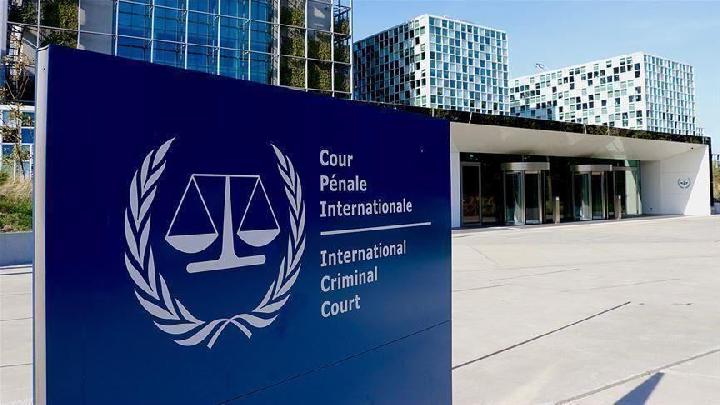
Tempatdonasi.com – The United States has imposed sanctions on the International Criminal Court, intensifying the Trump administration’s confrontation with the Hague-based tribunal over its authority to investigate and prosecute individuals for grave international crimes.
The measures were announced on Friday, shortly after a former ICC judge received the Nobel Peace Prize. They reflect a broader effort by President Donald Trump’s administration to limit the court’s access to financial resources and weaken its ability to function internationally.
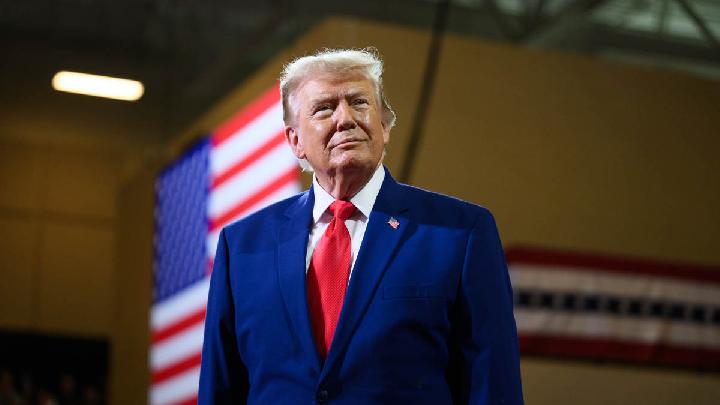
Secretary of State Marco Rubio said Washington would not accept the prosecution of U.S. citizens by the court.
“President Trump will never allow the International Court to prosecute Americans.”
Rubio said the United States would prohibit transactions involving the ICC, describing the tribunal as a “rogue court” and arguing that the restrictions would deprive it of resources needed to operate.
“That is why, today, the United States is sanctioning the International Criminal Court. We will ban transactions with this rogue court, cutting off its resources and crippling its ability to operate.”
Dispute Over Israel and U.S. Military Actions
The latest sanctions follow sustained U.S. objections to ICC actions involving both Israel and the United States. Washington and Israel have strongly opposed arrest warrants issued for senior Israeli figures, including Prime Minister Benjamin Netanyahu.
The U.S. government has also objected to scrutiny of alleged wrongdoing connected to military operations in Afghanistan. During the final phase of Trump’s first term in office, the administration resisted ICC investigations that could involve American personnel, even as the court shifted much of its attention toward the Taliban.
The administration has presented the issue as one of national sovereignty. Rubio has argued that American soldiers, law-enforcement officers, Border Patrol personnel and elected officials should not face trial before an international body whose judges are drawn from countries around the world.
In a July opinion article for The Wall Street Journal, Rubio wrote that the United States had never consented to a global tribunal capable of superseding U.S. courts or the Constitution.
ICC Says It Will Continue Its Work
The court rejected the sanctions as an effort to impede an independent institution backed by more than half of the United Nations’ member states. ICC President Tomoko Akane said the tribunal would continue carrying out its mandate independently and impartially, guided by law and evidence.
“The court will continue to fully discharge its mandate, with independence and impartiality, acting only on the basis of the law and the evidence, for the sake of the countless victims of grave crimes.”
Akane was already among the ICC figures facing U.S. sanctions. In August, Washington imposed restrictions on the Japanese judge and on Abdoulaye Seye, a Senegalese trial lawyer at the court.
Financial sanctions can create practical challenges for international organizations because banks, contractors and other service providers may avoid dealings that could expose them to U.S. penalties. The dispute therefore has consequences beyond diplomacy, potentially affecting the court’s administrative work and engagement with outside partners.
What the International Criminal Court Does
The ICC is a permanent international tribunal headquartered in The Hague, Netherlands. Created in 2002 under the Rome Statute, it has jurisdiction in principle over individuals accused of genocide, crimes against humanity, war crimes and the crime of aggression.
Its role differs from that of the International Court of Justice, which deals with legal disputes between states. The ICC focuses on individual criminal responsibility and can pursue cases involving political leaders, military commanders and others suspected of the most serious international offenses.
A total of 125 countries are parties to the Rome Statute, meaning they have signed and ratified the treaty. However, several major powers do not recognize the ICC’s jurisdiction, including China, India, Russia, the United States and Israel.
That does not always prevent the court from considering allegations involving nationals of non-member states. The ICC may examine situations referred by member countries or cases involving alleged crimes committed on the territory of a state that accepts the court’s authority. This legal framework has enabled prominent cases involving Russian and Israeli officials.
Arrest warrants have been issued in recent years for Russian officials, including President Vladimir Putin, after complaints linked to Ukraine. Warrants involving Israeli officials, including Netanyahu, followed complaints connected to Palestinians.
Pressure on the Court Has Been Building
The sanctions come after months of increasingly public U.S. pressure on the court during Trump’s second term. The administration has urged other countries to reconsider their participation in the Rome Statute system.
Just over a week after Rubio’s July article, Venezuela’s new administration announced plans to leave the ICC following the U.S. abduction of Nicolas Maduro in January. The State Department welcomed the move and called on other ICC members to withdraw from the treaty.
Days later, Chad’s military junta said it would also leave the court. The junta stated that its decision followed a U.S. request, while Washington encouraged other African countries to take similar action.
The ICC has additionally faced internal strain. A sexual misconduct scandal involving former chief prosecutor Karim Khan, who was dismissed in July, gave critics further grounds to challenge the institution’s credibility and leadership.
The confrontation highlights a central tension surrounding international justice: supporters see the ICC as a venue of last resort for victims when domestic systems cannot or will not act, while opponents argue that it can intrude on national legal authority. With Washington now targeting the court directly, that conflict is likely to remain a defining issue for the tribunal and its member states.
Related Reading
Frequently Asked Questions
What is US Announces Sanctions on the International?
US Announces Sanctions on the International is the main topic of this guide. The article explains the context, practical details, and next steps readers should understand.
Why does US Announces Sanctions on the International matter?
US Announces Sanctions on the International matters because readers are looking for a useful answer, not just a short summary. Good content should match search intent and help them decide what to do next.