US Scraps Greenhouse Gas Rules for Power Plants
The US Environmental Protection Agency has withdrawn federal limits on greenhouse gas emissions from coal- and gas-fired power stations, reversing standards
Trump Administration Removes Carbon Limits for US Power Plants
Tempatdonasi.com – The US Environmental Protection Agency has withdrawn federal limits on greenhouse gas emissions from coal- and gas-fired power stations, reversing standards introduced in 2024 to curb carbon dioxide pollution from the electricity sector.
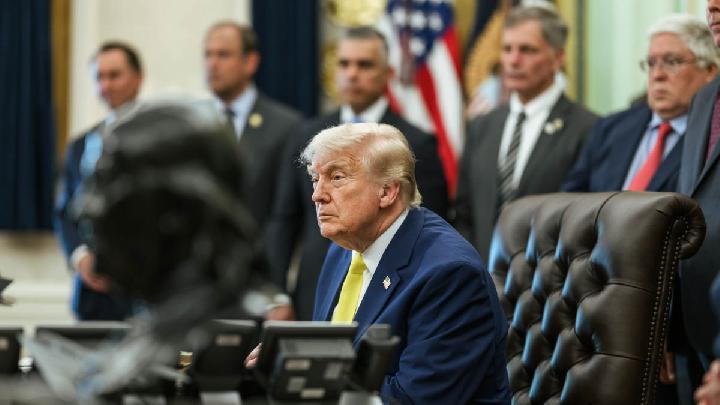
The action is part of the Trump administration’s broader effort to dismantle climate-focused regulations established during previous Democratic administrations. EPA Administrator Lee Zeldin announced the decision while energy ministers from the Group of 20 nations were meeting in Houston.
“Today, we are cutting the red tape to deliver the largest power sector deregulatory action ever,”
Zeldin described the repeal as a major change in federal energy policy. He also said the agency would not shape its decisions around what he called climate alarmism and climate radicalism, accusing members of the media of attempting to frighten the public.
2024 standards withdrawn
The rules being removed had been issued under the Clean Air Act during the Biden administration. They applied to both existing and newly built fossil-fuel power plants and were designed to limit emissions of gases that contribute to global warming.
Under those standards, affected power plants would have faced a choice: reduce carbon dioxide emissions by as much as 90% or close by 2039. The EPA’s latest action eliminates those requirements and also proposes ending future greenhouse gas regulations specifically aimed at the power sector.
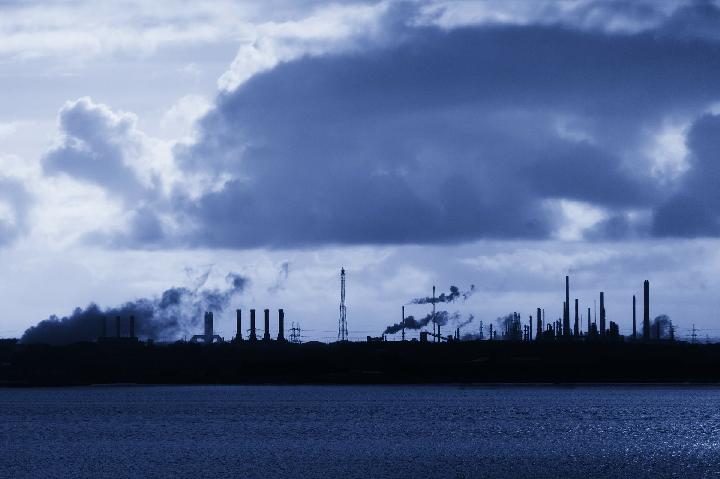
Power generation remains a central part of the country’s climate challenge. Electricity produced from coal and natural gas accounts for roughly one-quarter of total US greenhouse gas emissions. Coal generally produces more carbon dioxide per unit of electricity than natural gas, while both fuels release emissions when burned.
The repeal could have practical consequences for plant owners, electricity markets and communities located near power-generation facilities. Operators may face fewer federal compliance obligations, while environmental and public-health groups argue that the change removes an important tool for reducing pollution.
Administration promises lower energy costs
Zeldin said the administration viewed the prior policies as harmful to affordable and dependable electricity. In an EPA statement, he criticized the energy approach pursued under Presidents Barack Obama and Joe Biden.
“For over 15 years, the Obama and Biden administrations implemented a war on coal to destroy reliable and affordable energy,”
He said the Trump administration intended to reverse that direction and argued that consumers would benefit through lower power bills.
“Americans will see a decrease in electricity prices.”
The EPA has also projected that coal production for electricity generation could increase by more than tenfold following the repeal. Supporters of the decision see coal and gas plants as sources of dispatchable power that can operate when needed, particularly during periods of high demand.
The policy debate extends beyond power-plant regulations. It involves questions about fuel availability, grid reliability, household electricity costs, industrial demand and the speed at which lower-emission generation can replace aging fossil-fuel facilities. The EPA’s action places greater weight on deregulation and continued fossil-fuel use within that debate.
Legal challenges expected
Environmental organizations signaled that the rollback could be contested in court. Meredith Hankins, a legal expert at the Natural Resources Defense Council, said the agency’s reasoning appeared internally inconsistent, though she noted that a full assessment would require reviewing the final rule.
“We’ll have to look at the final text of the rule. But I think on its face you can see the contradictions. So I’m certainly looking forward to seeing them in court.”
Rachel Cleetus of the Union of Concerned Scientists sharply criticized the decision, saying it favored fossil-fuel industry interests over public health and environmental protection.
“They’re propping up fossil fuel industry profits and completely sidelining people’s health and well-being,”
Cleetus said the EPA had moved away from its central responsibilities.
“The EPA has deserted its mission entirely, and they’re doing it in a way that’s cruel. They’re gleefully taking credit for it.”
Any court fight is likely to focus on the EPA’s authority under the Clean Air Act, the legal rationale for repealing the earlier standards and the agency’s treatment of greenhouse-gas risks. Challenges could affect the timing and durability of the policy change, even as the administration moves to reshape federal regulation of the electric-power industry.
For households and businesses, the outcome will be watched through several measures: electricity prices, the continued operation of coal and gas plants, investment decisions by utilities, and the trajectory of US emissions from power generation. The repeal marks a decisive shift away from the Biden-era strategy of requiring major carbon reductions from fossil-fuel power plants.
Related Reading
Frequently Asked Questions
What is US Scraps Greenhouse Gas Rules for Power?
US Scraps Greenhouse Gas Rules for Power is the main topic of this guide. The article explains the context, practical details, and next steps readers should understand.
Why does US Scraps Greenhouse Gas Rules for Power matter?
US Scraps Greenhouse Gas Rules for Power matters because readers are looking for a useful answer, not just a short summary. Good content should match search intent and help them decide what to do next.