What Are the Impacts of the Anak Krakatau Eruption on Indonesia?
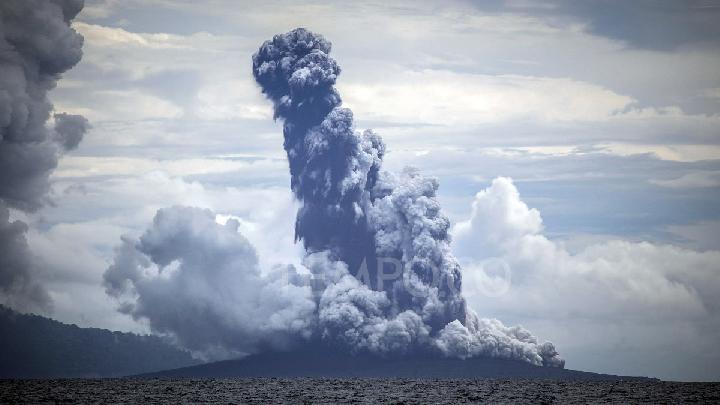
A fresh eruption of Mount Anak Krakatau, the young volcanic island rising from the Sunda Strait between Java and Sumatra, sent a dense plume of ash drifting
Volcanic Ash from Anak Krakatau Paralyzes Indonesian Air Travel and Forces Schools Into Remote Mode
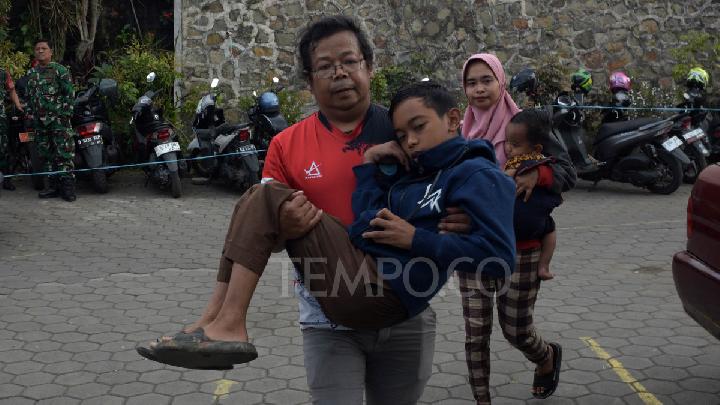
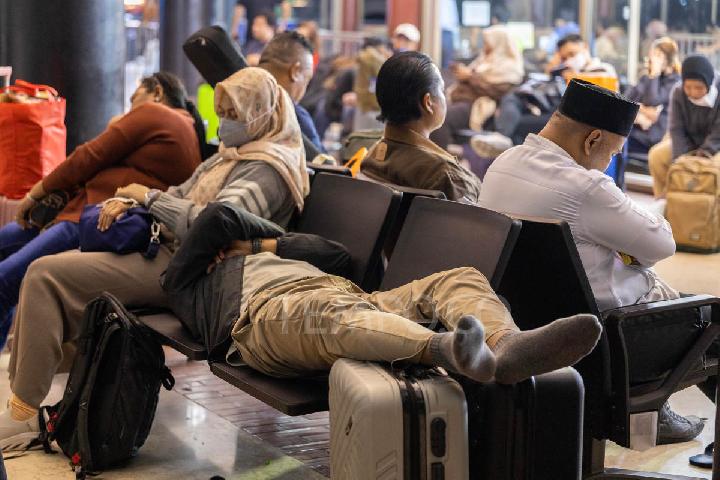
Tempatdonasi.com – A fresh eruption of Mount Anak Krakatau, the young volcanic island rising from the Sunda Strait between Java and Sumatra, sent a dense plume of ash drifting westward across the Indonesian archipelago on September 6–7, 2026. Within hours, the fallout had grounded commercial aviation at eight airports, scrambled the schedules of roughly 170,000 travelers, and pushed schools in at least four provinces into emergency remote-learning protocols. The episode underscores how quickly a single volcanic event can ripple through transportation, public health, and education systems in a densely populated island nation.
Eight Airports Grounded; Over 1,500 Flights Disrupted
The Transportation Ministry confirmed that volcanic ash forced the closure of eight airports on Monday, September 7, 2026, disrupting a total of 1,558 flights and affecting approximately 170,000 passengers. The bulk of the disruption centered on Soekarno-Hatta International Airport in Tangerang, Banten — Indonesia’s primary international gateway — where more than 900 of the affected services originated or terminated.
The eight airports placed under aerodrome closure were:
Soekarno-Hatta International Airport (Tangerang, Banten); Halim Perdanakusuma Airport (Jakarta); Radin Inten II Airport (Lampung); Husein Sastranegara Airport (Bandung, West Java); Budiarto Airport (Curug, Tangerang, Banten); Pondok Cabe Airport (South Tangerang, Banten); Taufik Kiemas Airport (Pesisir Barat, Lampung); and Atung Bungsu Airport (Pagar Alam, South Sumatra).
At Soekarno-Hatta alone, the temporary shutdown touched 1,039 flights and disrupted travel plans for 166,351 passengers. AirNav Indonesia issued a Notice to Airmen (NOTAM) suspending operations from 1:30 a.m. on Sunday, September 6, after monitoring systems flagged the potential westward drift of ash from the Krakatau volcanic complex. The Transportation Ministry subsequently extended the closure through 8:59 a.m. local time on Monday.
By 9:30 p.m. Sunday, the backlog of affected departures and arrivals had broken down into 746 domestic flights, 272 international flights, and 21 cargo operations. Some were cancelled outright, others delayed indefinitely, and a subset were diverted to alternate airports. The precautionary aerodrome closure — a standard aviation-safety protocol when ash concentrations threaten engine intake and pilot visibility — was lifted only after atmospheric modeling indicated the plume had moved beyond critical thresholds.
Soekarno-Hatta sits more than 150 kilometers from the Krakatau vent, yet the prevailing wind pattern carried fine ash directly over the flight corridor, illustrating how even distant eruptions can impose immediate operational constraints on major hubs.
Health Hazards of Volcanic Ash in Populated Areas
The ash plume blanketed portions of Banten, Jakarta, West Java, Lampung, and Bengkulu, coating rooftops, roads, and open fields in a fine grey powder. Volcanic ash is not ordinary dust: it consists of pulverized rock fragments, crystalline minerals, and shards of volcanic glass, all of which carry sharp-edged micro-particles capable of lodging in mucous membranes and alveolar tissue.
Short-term exposure commonly produces eye stinging, nasal irritation, throat soreness, coughing, sneezing, and labored breathing. Individuals managing asthma, chronic obstructive pulmonary disease (COPD), or other chronic respiratory conditions face a heightened risk of acute exacerbation. Fine ash particles small enough to reach the deep lung parenchyma can trigger inflammatory responses lasting days after the visible ash has settled. Volcanic gases — sulfur dioxide, hydrogen sulfide, and carbon dioxide — released alongside the ash column add a secondary toxic burden, particularly in low-lying areas where heavier gases accumulate.
Public-health guidance issued for affected communities emphasized several protective steps: limit time spent outdoors during peak ashfall; wear N95 or KN95-rated respirators when going outside is unavoidable; use protective eyewear to shield the conjunctiva; don long-sleeved garments to reduce skin contact; keep doors and windows sealed while ash concentrations remain elevated; and sweep or vacuum settled ash carefully rather than dry-brushing, which re-suspends fine particles into the breathing zone.
Schools Shift to Remote Learning Across Four Provinces
The Education Ministry granted local authorities discretion to modify instructional delivery based on measured air-quality levels, permitting the switch to Pembelajaran Jarak Jauh (PJJ), Indonesia’s formal term for remote or distance learning. Areas identified as significantly impacted included Serang in Banten, Tanggamus in Lampung, South Lampung, and Bandar Lampung.
Jakarta moved decisively: all public and private schools at every level — elementary through senior secondary — were placed on PJJ beginning Monday, September 7, with the directive remaining in force until authorities declared conditions safe. Lampung ordered a two-day PJJ window and directed schools to suspend outdoor activities, including physical-education classes and flag-raising ceremonies, during the closure period.
In West Java, Governor Dedi Mulyadi issued a blanket authorization allowing any school affected by ashfall to implement PJJ, while delegating the specific operational details to individual regency and municipal governments and to school principals. Bogor Regency was still deliberating whether to activate the remote-learning protocol as ash concentrations fluctuated through the day.
Broader Context: Krakatau’s Enduring Volcanic Legacy
Anak Krakatau — literally “child of Krakatau” — first erupted in 1927 from the caldera left by the cataclysmic 1883 explosion of the original Krakatau island, one of the deadliest volcanic events in recorded history. Since then the young cone has grown steadily, punctuated by periodic eruptions that remind the surrounding population of the volcano’s restless magma system. Each event tests Indonesia’s aviation-safety infrastructure, public-health preparedness, and educational continuity systems simultaneously, and the September 2026 episode demonstrated both the scale of disruption a single eruption can produce and the coordinated response mechanisms now in place across transportation, health, and education ministries.
Related Reading
Frequently Asked Questions
What is What Are the Impacts of the Anak?
What Are the Impacts of the Anak is the main topic of this guide. The article explains the context, practical details, and next steps readers should understand.
Why does What Are the Impacts of the Anak matter?
What Are the Impacts of the Anak matters because readers are looking for a useful answer, not just a short summary. Good content should match search intent and help them decide what to do next.