Whoosh Debt Eats Into Parent SEO Profits
Indonesia’s state railway operator, Kereta Api Indonesia (KAI), saw its first-half 2026 profit sharply reduced after taking on losses linked to the
Whoosh Losses Weigh Heavily on KAI’s First-Half Earnings
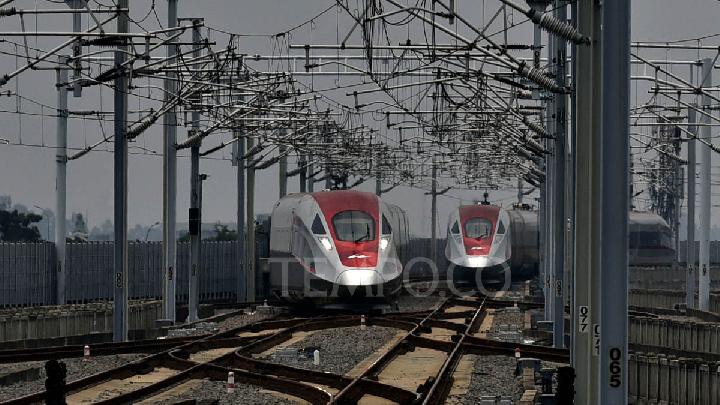
Tempatdonasi.com – Indonesia’s state railway operator, Kereta Api Indonesia (KAI), saw its first-half 2026 profit sharply reduced after taking on losses linked to the Jakarta-Bandung Whoosh high-speed rail project. The financial impact came through KAI’s role in the consortium that controls Kereta Cepat Indonesia China (KCIC), the company operating the service.
Without the effect of KCIC’s losses, KAI’s net income for the first six months of 2026 would have reached Rp3.4 trillion, or about US$189.4 million. After the company accounted for its share of the losses, however, net profit was left at Rp300 billion, equivalent to roughly US$16.7 million.
The result marked a 73 percent decline from KAI’s earnings in the same period a year earlier. It also illustrated how the high-speed railway’s financial position has become a major factor in the parent company’s accounts, even as KAI continues to operate its wider rail network.
If we hadn’t absorbed KCIC’s losses, our net profit would have increased by 40 percent.
KAI Chief Executive Officer Bobby Rasyidin made the statement during a hearing with the House of Representatives’ Commission VI on September 23, 2026. The commission oversees state-owned enterprises and other sectors.
KAI’s Position in the KCIC Ownership Structure
KCIC is jointly held by Indonesian and Chinese consortium partners. Pilar Sinergi BUMN Indonesia (PSBI), led by KAI, owns 60 percent of KCIC. The remaining 40 percent is held by Beijing Yawan HSR Co Ltd, a Chinese consortium.
Within PSBI itself, KAI has the largest ownership share at 58.53 percent. Construction company Wijaya Karya holds 33.36 percent, while Jasa Marga owns 7.08 percent. Perkebunan Nusantara VIII holds the remaining 1.03 percent.
That structure means KAI is exposed to the financial outcome of PSBI, including the losses arising from KCIC’s operation of the Whoosh line. The railway connects Jakarta and Bandung and represents Indonesia’s high-speed rail venture, making its performance relevant not only to KCIC but also to the state-owned companies behind the consortium.
For readers examining the figures, the central issue is not that KAI directly combines all of KCIC’s revenue and expenses into its own operations. Instead, KAI’s investment in PSBI is affected by the consortium’s financial results. When PSBI records a net loss linked to KCIC, KAI must recognize its share of that loss, reducing the value carried for its investment and cutting into the profit it can report.
Rp3 Trillion in Recognized Losses
By June 30, 2026, KAI had recognized Rp3 trillion, or approximately US$167.1 million, as its share of PSBI’s net losses. The recognition had a substantial effect on the book value of KAI’s investment in the consortium.
At the start of 2026, the investment was valued at Rp4.79 trillion, about US$266.8 million. By the end of June, the carrying value had fallen to Rp1.79 trillion, or around US$99.7 million.
The decline is even clearer when compared with the previous year. In 2025, KAI’s investment in PSBI was still valued at Rp7.72 trillion, equivalent to roughly US$430 million. Alongside the reduction in carrying value, KAI also booked an impairment allowance of Rp1.55 trillion, or about US$86.3 million, for its PSBI investment.
An impairment allowance reflects a recognition that an investment’s recorded value may not be fully recoverable at the level previously shown in the accounts. In practical terms, it adds another layer of pressure to the financial contribution expected from the consortium holding the Whoosh project.
Why the Result Matters for the State Railway Operator
KAI’s first-half figures show the difference between the company’s underlying earnings potential and the final profit available after its exposure to KCIC is counted. The contrast is stark: Rp3.4 trillion in potential net profit excluding Whoosh-related losses versus Rp300 billion after those losses were absorbed.
The outcome places the high-speed railway’s financial burden at the center of discussions about KAI’s profitability. As leader of PSBI and its largest shareholder, KAI carries a larger stake than the other Indonesian members of the consortium. Its financial reporting therefore provides a clear view of how losses at the consortium level can influence the performance of a much broader state-owned transport business.
The ownership arrangement also means that the implications extend across several public companies involved in PSBI. While KAI has the biggest exposure within the Indonesian consortium, Wijaya Karya, Jasa Marga, and Perkebunan Nusantara VIII are also participants in the vehicle that holds the majority stake in KCIC.
For KAI, the first half of 2026 demonstrates that the company’s profitability cannot be viewed solely through the performance of its core railway activities. The financial condition of its strategic investment in PSBI—and, through it, the Whoosh high-speed rail operator—has become a decisive component of its reported results.
Related Reading
Frequently Asked Questions
What is Whoosh Debt Eats Into Parent SEO Profits?
Whoosh Debt Eats Into Parent SEO Profits is the main topic of this guide. The article explains the context, practical details, and next steps readers should understand.
Why does Whoosh Debt Eats Into Parent SEO Profits matter?
Whoosh Debt Eats Into Parent SEO Profits matters because readers are looking for a useful answer, not just a short summary. Good content should match search intent and help them decide what to do next.