Yemen’s Houthis Attack Saudis, Seize Crucial Red Sea Islands
Houthi fighters have announced the capture of Greater and Lesser Hanish islands in the southern Red Sea, expanding their control over a maritime area that has
Houthi Seizure of Red Sea Islands Raises Pressure on Saudi Oil Routes
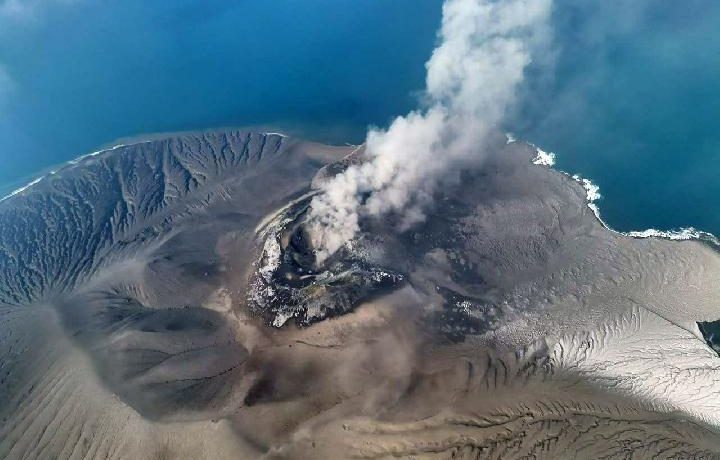
Tempatdonasi.com – Houthi fighters have announced the capture of Greater and Lesser Hanish islands in the southern Red Sea, expanding their control over a maritime area that has become increasingly important for Saudi oil exports and wider global shipping.
The islands lie near critical sea lanes linking the Red Sea with the Bab el-Mandab Strait. Their seizure follows the Houthis’ takeover last week of Mayun Island and the port of Mokha, moves that have intensified the group’s declared blockade of Saudi Arabia.
Saudi Arabia has relied more heavily on the Bab el-Mandab route after the Strait of Hormuz was closed during the escalating conflict involving Iran and the United States. Before hostilities began, roughly one-fifth of global oil shipments passed through Hormuz. Its closure has disrupted energy markets, increased prices internationally, and forced Riyadh to seek alternative paths for moving crude to customers.
With the Hanish islands now under Houthi control, Saudi shipping faces greater uncertainty in the Red Sea. The development could affect not only Saudi export flows but also global oil availability and prices, as traders assess the safety and reliability of routes through the region.
A Growing Maritime Challenge
Control of Greater and Lesser Hanish gives the Houthis a stronger position near one of the world’s most strategically significant shipping corridors. Bab el-Mandab serves as a gateway between the Red Sea and the Gulf of Aden, connecting vessels headed toward the Suez Canal with the Indian Ocean.
For Saudi Arabia, that route has gained new importance because access through Hormuz has been interrupted. The remaining secure options for reaching Asian markets are longer and more complicated: shipping through the Suez Canal or taking the far longer journey around South Africa’s Cape of Good Hope.
The Houthis’ campaign is directed at Saudi Arabia, which has supported Yemen’s internationally recognized government throughout the country’s civil war. But the consequences extend well beyond Yemen. Any prolonged disruption near Bab el-Mandab could add further strain to energy supplies, freight schedules, insurance costs, and international trade.
Missile and Drone Strikes Continue
The island operation came as Houthi attacks on Saudi military positions continued on Monday. The group said it launched missiles and drones against military targets and claimed the attacks inflicted significant damage.
“Significant damage”
A Houthi spokesperson said the strikes were a response to more than 300 Saudi airstrikes in Yemen over the previous five days. The military exchange illustrates how quickly the conflict has widened from territorial battles inside Yemen into a confrontation involving ports, islands, airpower, and shipping routes.
Iran has long backed the Houthis within its broader anti-Israel “axis of resistance,” though Tehran again rejected claims that it is directing the group’s actions in Yemen.
“Iran does not interfere in Yemeni affairs.”
Iranian Foreign Ministry spokesperson Esmaeil Baqaei said the Houthis are entirely independent and make decisions based on their own interests. Tehran’s position comes as the conflict in Yemen intersects with the wider war involving Iran, the United States, and regional allies.
Civil War Returns to the Forefront
Yemen’s civil war began in 2014, when the Houthis seized broad areas of northern Yemen, including the capital, Sanaa. The internationally recognized government moved to Aden in the south.
Saudi Arabia formed a military coalition in 2015 to support the government. The ensuing campaign, marked by repeated airstrikes and prolonged fighting, developed into one of the world’s worst humanitarian crises.
Although the conflict had been largely dormant for four years, the outbreak of war in Iran has revived military activity. The latest Houthi advances show how Yemen’s internal conflict is now closely tied to competition over regional security and energy transport.
US and Gulf Allies Face Escalating Risks
Admiral Brad Cooper, head of US Central Command, was in Jeddah on Monday for discussions with Saudi Crown Prince Mohammed bin Salman on recent regional developments. His visit followed several days of urgent coordination meetings as tensions in the Red Sea intensified.
President Donald Trump reportedly declined a Saudi request for direct US military intervention. However, the United States agreed to provide intelligence-sharing and targeting support.
The situation places Washington and its Saudi and Gulf partners in a difficult position. Direct intervention could deepen the conflict, while a failure to protect maritime traffic could leave vital shipping and energy infrastructure increasingly exposed.
Dispute Over Reopening Hormuz
Iran also accused Saudi Arabia on Monday of slowing discussions intended to reopen the Strait of Hormuz. Baqaei described a planned meeting in Oman as a genuine opportunity to restore regional security.
Iran and Oman had finalized an agreement on reopening the passage, he said, with an announcement expected later. Saudi concerns reportedly center on the longer-term effect of any Hormuz arrangement on Gulf Cooperation Council states and regional security.
Tehran has argued that Riyadh is using Yemen as a pretext to postpone decisions on the future governance of Hormuz after the United States disrupted the previous regional balance.
China’s Foreign Ministry condemned attacks on Saudi energy infrastructure as unacceptable and expressed deep concern that the conflict could continue to escalate. As the Red Sea and Hormuz crises develop simultaneously, the security of global energy routes has become a central concern for governments, shipping companies, and consumers around the world.
Related Reading
Frequently Asked Questions
What is Yemen s Houthis Attack Saudis Seize?
Yemen s Houthis Attack Saudis Seize is the main topic of this guide. The article explains the context, practical details, and next steps readers should understand.
Why does Yemen s Houthis Attack Saudis Seize matter?
Yemen s Houthis Attack Saudis Seize matters because readers are looking for a useful answer, not just a short summary. Good content should match search intent and help them decide what to do next.