
Congo: Ebola Deaths Increase to 1,000
Congo - The World Health Organization released a comprehensive assessment on Wednesday, presenting fresh statistics that illuminate the alarming velocity of
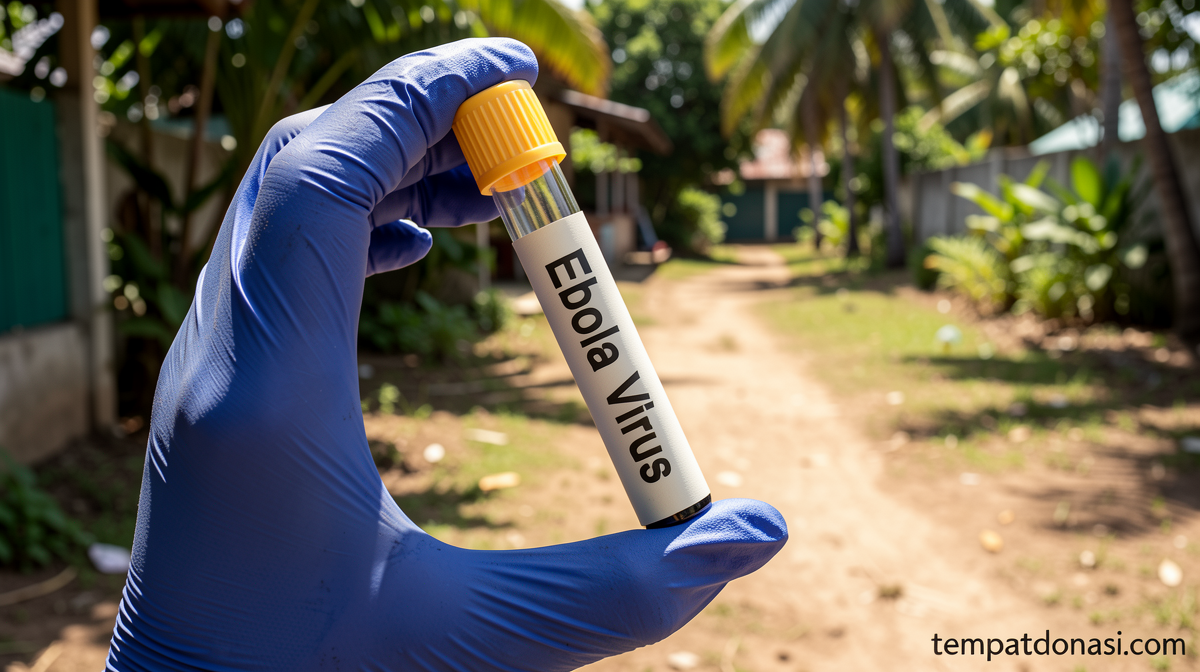
Ebola Crisis in Congo Surpasses 1,000 Fatalities as Outbreak Accelerates Tempatdonasi.com – Congo – The World Health Organization released a
Ebola Crisis in Congo Surpasses 1,000 Fatalities as Outbreak Accelerates
Tempatdonasi.com – Congo – The World Health Organization released a comprehensive assessment on Wednesday, presenting fresh statistics that illuminate the alarming velocity of the ongoing Ebola epidemic within the Democratic Republic of Congo. According to official figures compiled by the Congolese Ministry of Health, the surveillance period spanning from mid-May through mid-July has revealed a devastating toll on communities across the region.
Health authorities have now confirmed that 2,473 individuals residing in both Congo and the adjacent nation of Uganda have contracted the most recent variant of the disease, known as the Bundibugyo strain. Tragically, 999 of these infected persons have succumbed to the illness, bringing the death toll perilously close to the one-thousand milestone. This unprecedented rate of transmission represents the swiftest escalation ever documented for any Ebola epidemic in history.
Unprecedented Speed of Spread
The current crisis continues to intensify without pause, largely because medical professionals lack both effective vaccines and targeted therapeutic interventions specifically designed for this particular strain of the virus. Historically, the most lethal Ebola epidemic—which swept through West Africa between 2013 and 2016—required approximately eight months to accumulate one thousand fatalities. That earlier catastrophe ultimately claimed 11,000 lives out of 28,000 total infections.
Medical experts operating within Congo report that roughly eighty percent of newly identified cases originate from transmission pathways that remain unidentified by local health authorities. This finding strongly indicates that the disease is propagating at a pace exceeding the capacity of official tracking systems. While authorities successfully monitor eighty-two percent of contacts connected to confirmed infections, this figure falls considerably short of the ninety to ninety-five percent threshold that World Health Organization specialists consider essential for effective containment.
Geographic Scope and Transmission Routes
The highly infectious Ebola pathogen travels primarily through direct contact with bodily fluids, including blood, semen, and vomit. Infections have now been documented across five of Congo’s twenty-six provinces, affecting a population of approximately one hundred sixteen million people. The outbreak’s epicenter is situated in Ituri province, a region sharing borders with both Uganda and South Sudan.
The severity of the situation has been exacerbated by violent attacks directed against healthcare personnel, alongside generally inadequate working environments that these dedicated professionals endure daily. Numerous medical workers have been compelled to abandon the most affected zones due to legitimate concerns regarding their personal safety. Additionally, several healthcare employees report receiving no compensation for multiple consecutive months, further straining their ability to continue serving their communities.
International Response and Future Outlook
During a speech delivered in Ghana on Tuesday, Jean Kaseya, the Director-General of the Africa Centers for Disease Control and Prevention, addressed participants at the Africa Health Summit with an urgent call for enhanced global cooperation. She emphasized that coordinated international action must be significantly strengthened to prevent further deterioration.
“If we don’t stop this outbreak, it could become one of the worst ebola outbreaks the world has ever documented,” Kaseya stated clearly to the assembled audience.
The convergence of rapid transmission, limited medical countermeasures, and ongoing threats to healthcare workers creates a complex challenge that demands immediate and sustained attention from the international community. Without decisive intervention, health officials warn that the current crisis may surpass even the devastating 2013-2016 epidemic in both scope and human cost.
Related SEO Topics
Frequently Asked Questions
What is Congo?
Congo is the main topic covered in this article, with practical context to help readers understand the subject clearly.
Why does Congo matter?
Congo matters because it helps readers compare options, avoid common mistakes, and make a more informed decision.
How should readers use this Congo guide?
Use the key points, examples, and related links in this page as a starting point, then review the latest details before making a final decision.